Proximity sensors are essential components in industrial automation, enabling non-contact detection of objects. Among various types, the 4-wire proximity sensor stands out due to its integrated design that combines sensing and output functions. This article explains the working principle, wiring configuration, and practical applications of 4-wire proximity sensors.
A 4-wire proximity sensor typically consists of two wires for power supply and two for output signals. The power wires connect to a DC voltage source, commonly 12V or 24V DC, providing energy for the sensor's internal circuitry. The output wires deliver a switching signal, which can be either normally open (NO) or normally closed (NC), depending on the sensor's design and application requirements. Unlike 2-wire sensors that operate in series with the load, 4-wire sensors have separate power and output circuits, reducing leakage current and improving reliability.
The core technology behind these sensors involves electromagnetic or capacitive sensing principles. Inductive proximity sensors, for instance, generate an oscillating electromagnetic field. When a metal object enters this field, eddy currents are induced, dampening the oscillation and triggering the output switch. Capacitive sensors detect both metallic and non-metallic objects by measuring changes in capacitance. The 4-wire design allows for precise control over the output, making it suitable for interfacing with programmable logic controllers (PLCs), relays, or other control systems.
Wiring a 4-wire proximity sensor requires attention to polarity and load matching. The power wires must be connected to the correct positive and negative terminals to avoid damage. The output wires are linked to the load device, with one wire serving as the output signal and the other as the common return. Many sensors feature LED indicators to show power status and output activation, aiding in installation and troubleshooting. It is crucial to refer to the manufacturer's datasheet for specific wiring diagrams, as configurations may vary between models.
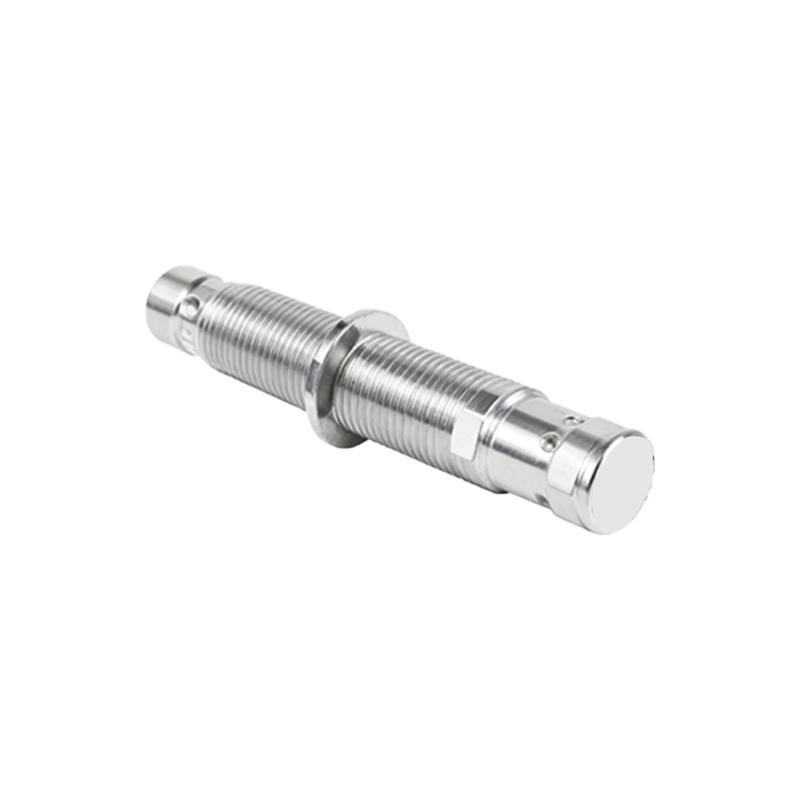
In industrial settings, 4-wire proximity sensors are used for position detection, object counting, and safety interlocking. Their robust construction allows operation in harsh environments with dust, moisture, or temperature extremes. Advantages include high switching accuracy, fast response times, and minimal interference from external factors. When selecting a sensor, consider factors such as sensing range, material compatibility, and environmental conditions to ensure optimal performance.
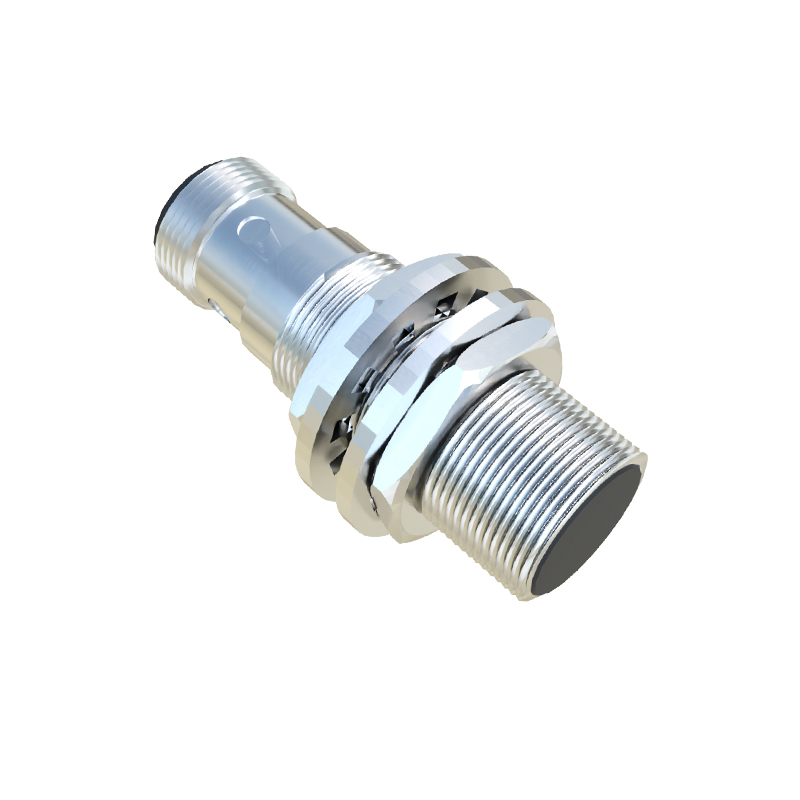
Maintenance involves regular cleaning of the sensing face and checking electrical connections. Avoid using sensors near strong magnetic fields or corrosive substances unless specifically rated for such conditions. With proper installation and care, 4-wire proximity sensors provide long-lasting and reliable service, enhancing efficiency in automated systems.