In the rapidly evolving landscape of industrial automation, the reliability and precision of sensing technology are non-negotiable. Universal proximity sensors, the workhorses that detect the presence or absence of objects without physical contact, form the backbone of countless applications—from assembly lines and packaging machinery to robotics and safety systems. Selecting the right brand is paramount, as it directly impacts system uptime, maintenance costs, and overall operational efficiency. This guide explores leading brands that have set industry standards through innovation, durability, and global support.
When discussing premier brands, several names consistently rise to the top due to their technological prowess and proven track records. Sick AG, a German powerhouse, is renowned for its high-precision photoelectric and inductive sensors. Their sensors are celebrated for exceptional environmental robustness, capable of withstanding extreme temperatures, vibrations, and contaminants. Sick's focus on IO-Link compatibility and smart sensor solutions places them at the forefront of Industry 4.0 integration, providing not just data but actionable insights for predictive maintenance.
Another stalwart in the field is Omron Corporation from Japan. Omron's proximity sensor portfolio is vast and versatile, offering everything from standard cylindrical inductive sensors to sophisticated fiber-optic units. A key strength lies in their miniaturization technology, producing incredibly compact sensors without sacrificing sensing distance or performance. Omron devices are known for their consistent quality, ease of installation, and excellent electromagnetic compatibility, making them a default choice for automotive and electronics manufacturing.
Pepperl+Fuchs, also of German origin, is synonymous with innovation in intrinsic safety and sensing technology for hazardous areas. Their expertise in designing sensors for explosive atmospheres (ATEX, IECEx) is unparalleled. Beyond safety, they offer a comprehensive range of inductive, capacitive, and ultrasonic sensors known for their rugged metal housings and resistance to harsh chemicals. Their engineering-centric approach ensures solutions for even the most challenging detection tasks.
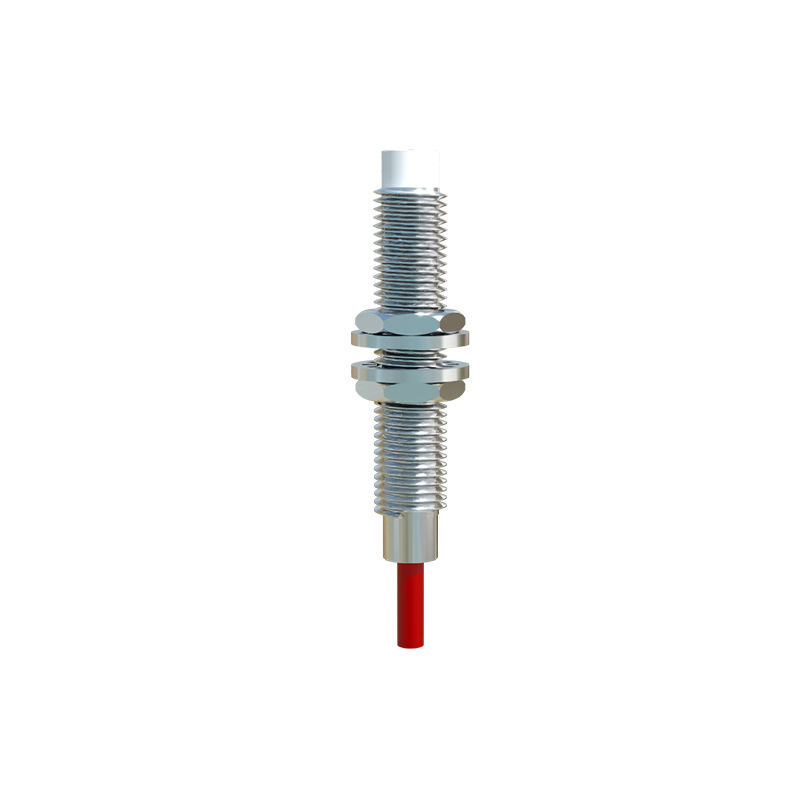
From the United States, Rockwell Automation (Allen-Bradley) offers sensors deeply integrated into their broader control and information architecture. Their proximity sensors, particularly the Allen-Bradley line, are optimized for seamless communication with Programmable Logic Controllers (PLCs) like the ControlLogix and CompactLogix series. This ecosystem advantage simplifies wiring, configuration, and troubleshooting, providing a cohesive solution for end-users heavily invested in the Rockwell ecosystem.
Balluff, a German sensor specialist, excels in providing highly customizable and application-specific solutions. They are leaders in RFID systems and offer an extensive array of standard and special-design proximity sensors. Balluff is particularly noted for its robust mechanical designs, such as sensors with exceptionally resilient sensing faces, and its strong global distribution network that ensures prompt technical support and parts availability.
IFM Electronic, another German leader, emphasizes ease of use and diagnostic capabilities. Their sensors often feature intuitive LED indicators that show not just operational status but signal strength, greatly simplifying setup and diagnostics. IFM produces a remarkably broad product line with consistent connectivity, allowing for easy interchangeability and reduced inventory complexity for maintenance teams.
While the brands mentioned are global leaders, the "best" choice is never universal. Selection depends on specific application parameters: the material of the target object (metal, plastic, liquid), required sensing distance, environmental conditions (temperature, washdown requirements), electrical output type (PNP/NPN, analog, IO-Link), and mounting constraints. A sensor perfect for detecting metal gears in a clean, dry cabinet may fail miserably in a wet bottling plant.
Furthermore, the modern trend is toward intelligence. Brands that offer sensors with embedded IO-Link communication are increasingly preferred. This standard allows for parameter setting via the controller, remote monitoring of device health, and the transmission of process values, transforming a simple switch into a smart data point. This capability is crucial for digital transformation initiatives.
Ultimately, investing in a reputable brand like Sick, Omron, Pepperl+Fuchs, Rockwell, Balluff, or IFM is an investment in reliability. These companies back their products with rigorous testing, comprehensive documentation, global certification compliance, and extensive technical support. For system integrators and plant engineers, building automation infrastructure with such components minimizes downtime risks and ensures long-term, scalable performance. The initial cost is often offset by the total cost of ownership, which includes extended service life and reduced failure rates. In the precise world of automation, the sensor is the system's eyes; choosing a trusted brand ensures those eyes see clearly, consistently, and reliably for years to come.