In the world of industrial automation and smart systems, sensors play a pivotal role in enabling machines to interact with their environment. Among the diverse sensor types, contact sensors and proximity sensors are fundamental, yet they operate on distinct principles and serve different purposes. Understanding the difference between these two is crucial for selecting the right component for any application, from manufacturing assembly lines to consumer electronics.
Contact sensors, as the name implies, require physical touch or direct contact with an object to detect its presence or measure a specific property. These sensors typically work by making an electrical connection or experiencing a mechanical change upon contact. A classic example is a limit switch. When an object presses against the actuator of the switch, it physically moves internal contacts to open or close an electrical circuit, sending a clear signal that contact has been made. Another common type is a tactile sensor, often used in robotics to measure force or pressure upon touch. These sensors are valued for their simplicity, reliability, and high accuracy in scenarios where physical interaction is acceptable or necessary. However, the very need for contact introduces limitations, primarily wear and tear. Repeated physical impact can lead to mechanical fatigue, necessitating maintenance or replacement. Furthermore, contact sensors may not be suitable for detecting fragile, fast-moving, or hazardous objects where touch could cause damage or contamination.
In contrast, proximity sensors operate without any physical contact. They detect the presence, absence, or distance of an object within a defined range. This non-contact detection is achieved through various fields and phenomena. The most common types include inductive, capacitive, ultrasonic, and photoelectric sensors. An inductive proximity sensor, for instance, generates an electromagnetic field. When a metallic object enters this field, it induces eddy currents in the object, which the sensor detects, signaling the object's presence. These are ideal for detecting metal parts in machinery. Capacitive sensors can detect both metallic and non-metallic objects (like plastic, wood, or liquids) by sensing changes in capacitance caused by the object's presence in an electrostatic field. Ultrasonic sensors use sound waves, while photoelectric sensors use light beams. The key advantage of proximity sensors is their non-invasive nature. They suffer no mechanical wear from contact, offer very high switching speeds, and can detect objects that are sensitive, hot, or otherwise unsuitable for touch. This makes them indispensable in modern high-speed automation, packaging, and safety systems where reliability and longevity are paramount.
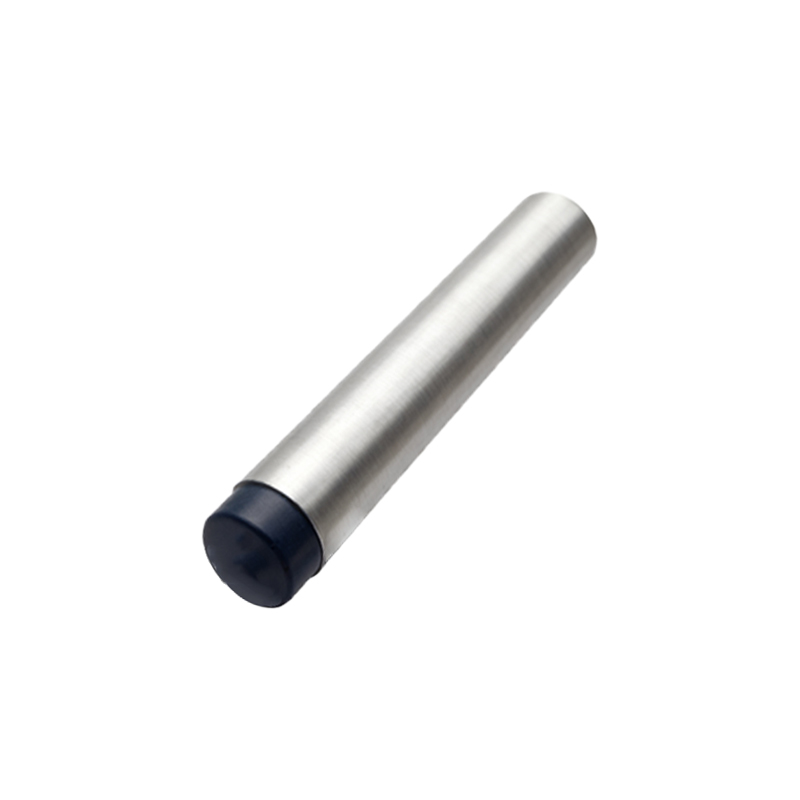
The choice between a contact and a proximity sensor hinges entirely on the application's specific requirements. Contact sensors are often the go-to solution in situations demanding a simple, cost-effective, and definitive confirmation of physical contact. For example, in a door security system, a magnetic contact sensor reliably indicates whether the door is fully closed or opened. In a vending machine, a mechanical switch confirms a coin has dropped into the correct slot. Their output is typically a straightforward on/off signal.
Proximity sensors, however, excel in more dynamic or demanding environments. On an automotive assembly line, inductive sensors count metal components passing by at high speed without slowing down the process. In a smartphone, a capacitive proximity sensor detects when the phone is held to the user's ear during a call and turns off the display to save power and prevent accidental screen touches. In food processing, where hygiene is critical, non-contact ultrasonic sensors can monitor liquid levels in tanks without risk of contamination. Many proximity sensors also offer analog outputs, providing not just detection but also continuous distance measurement, which is valuable in positioning and dimension-checking applications.
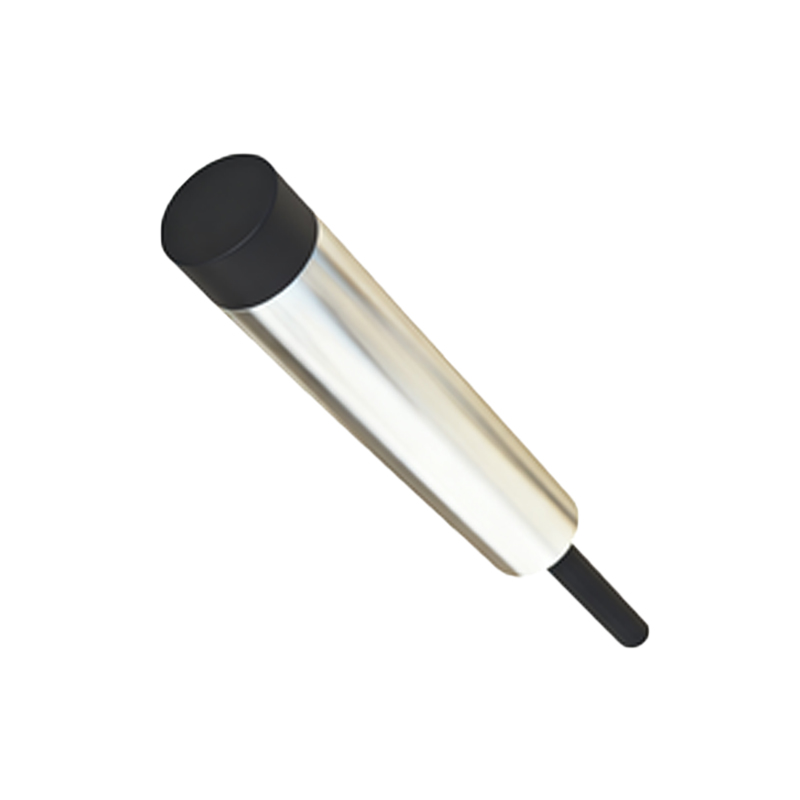
In summary, while both sensor categories aim to detect objects, their methodologies define their domains. Contact sensors rely on physical interaction, offering robustness and simplicity where contact is permissible. Proximity sensors provide a versatile, non-contact solution for high-speed, non-destructive, and hygienic detection tasks. As technology advances, the lines may blur with smart sensors incorporating multiple principles, but the core distinction remains: one needs a touch, the other senses from a distance. Engineers and designers must weigh factors like target material, required sensing range, environmental conditions, cost, and needed durability to make the optimal choice, ensuring efficiency and reliability in their automated systems.