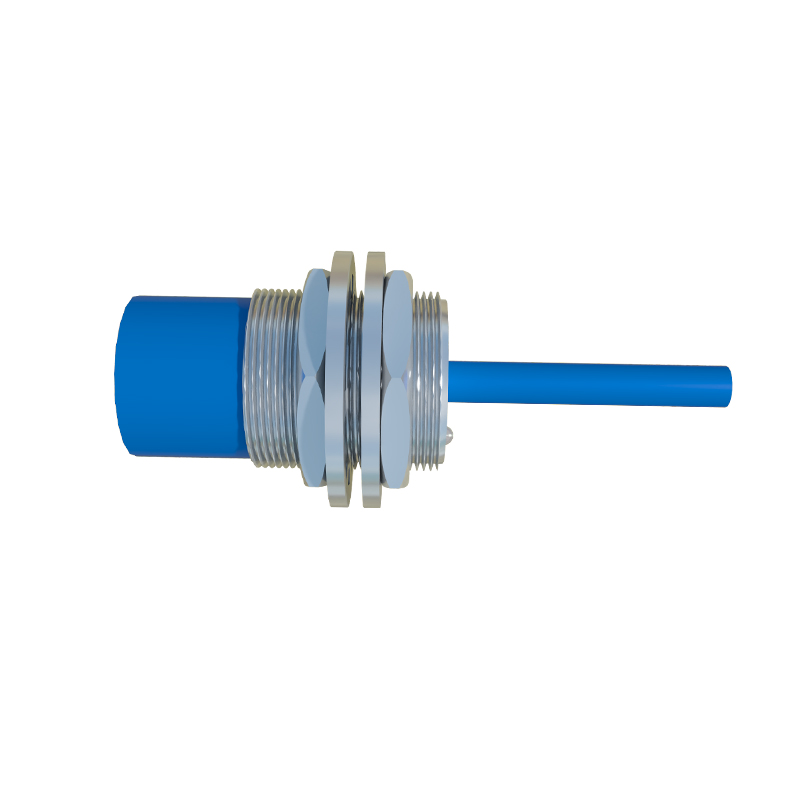
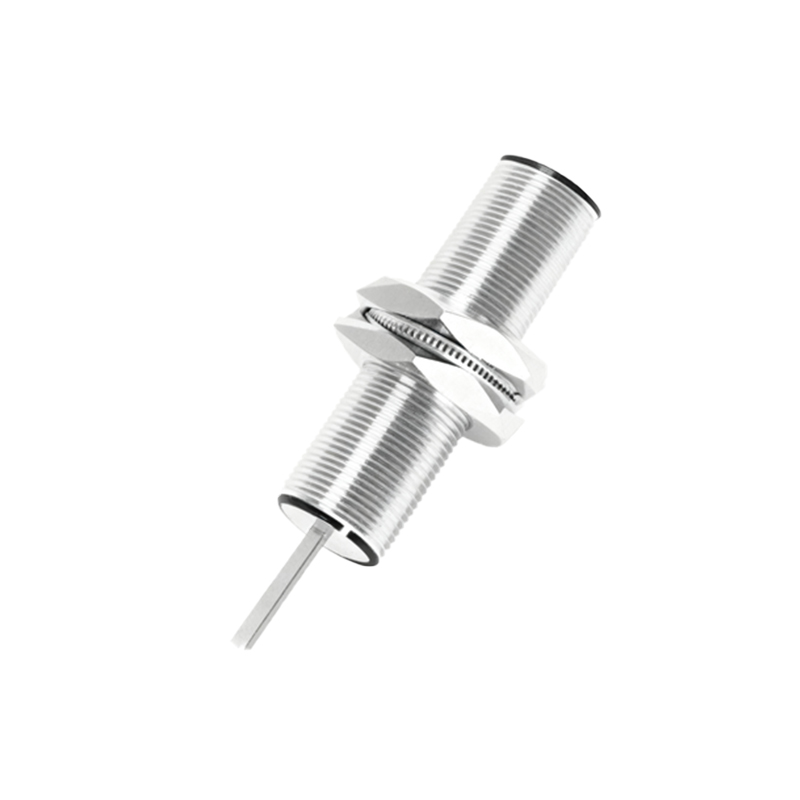
The global proximity sensor market is experiencing robust expansion, driven by increasing automation across industrial and consumer sectors. These non-contact detection devices, capable of identifying the presence or absence of objects within a defined range, have become integral to modern technological ecosystems. Key industries such as automotive, manufacturing, consumer electronics, and healthcare are leveraging advancements in inductive, capacitive, ultrasonic, and photoelectric sensing technologies to enhance efficiency, safety, and user interaction.
A primary growth catalyst is the accelerated adoption of Industry 4.0 and smart factory initiatives. In manufacturing, proximity sensors enable precise machine automation, robotic guidance, and quality control, minimizing downtime and optimizing production flow. The automotive sector relies heavily on these sensors for advanced driver-assistance systems (ADAS), parking assistance, and vehicle safety features, a trend amplified by the shift toward electric and autonomous vehicles. Furthermore, the proliferation of the Internet of Things (IoT) and smart devices has created vast new applications. From smartphones with automatic screen dimming to smart home appliances and agricultural monitoring systems, the demand for miniaturized, energy-efficient, and cost-effective sensors is surging.
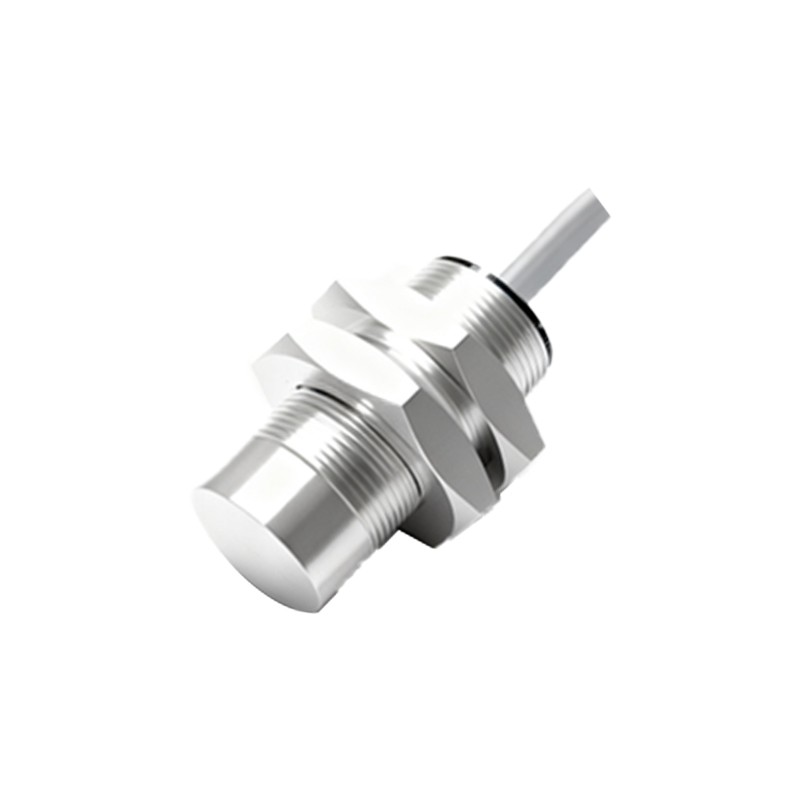
Technological innovation remains at the forefront of market evolution. The development of sensors with improved range, accuracy, and resistance to environmental interference (like dust, moisture, or extreme temperatures) is ongoing. The integration of artificial intelligence and machine learning with sensor data is opening new frontiers in predictive maintenance and intelligent decision-making. For instance, in industrial settings, AI-powered proximity sensors can predict equipment failure before it occurs, preventing costly disruptions.
The competitive landscape is dynamic, with established electronics giants and specialized sensor manufacturers investing heavily in research and development. Strategic focus areas include enhancing wireless capabilities, reducing power consumption for battery-operated devices, and developing multi-functional sensor fusion systems. Regional analysis indicates strong growth in Asia-Pacific, fueled by expansive manufacturing bases in China, Japan, and South Korea, alongside rising electronics production. North America and Europe continue to hold significant market shares, supported by advanced industrial automation and substantial automotive R&D investments.
Despite positive momentum, the industry faces challenges. Price volatility of raw materials and intense competition can pressure profit margins. Additionally, designing sensors for highly specialized or extreme applications requires significant technical expertise and investment. However, the long-term outlook remains overwhelmingly positive. Emerging applications in areas like medical robotics, augmented/virtual reality interfaces, and smart city infrastructure are poised to unlock the next wave of demand. As industries worldwide continue to prioritize automation, connectivity, and intelligence, the proximity sensor market is fundamentally positioned for sustained, long-term growth, evolving from a simple component to a critical enabler of the digital future.