Proximity sensors have become an indispensable component in the modern technological landscape, quietly enabling a vast array of functionalities we often take for granted. These devices detect the presence or absence of nearby objects without any physical contact, using various fields or radiation such as electromagnetic, electrostatic, capacitive, or photoelectric principles. Their ability to provide reliable, non-contact detection makes them crucial for automation, safety, and user interface enhancement across numerous industries.
In the realm of consumer electronics, proximity sensors are perhaps most visibly integrated into smartphones and tablets. The small sensor located near the earpiece on a phone is a classic example. During a call, this sensor detects when the device is close to the user's face and automatically turns off the touchscreen display. This prevents accidental cheek-touches from hanging up the call or activating other functions, while also conserving battery power. Similarly, in laptops, proximity sensors can be used to detect when a user is present, waking the device from sleep mode, and putting it back to sleep when the user walks away, enhancing both convenience and energy efficiency.
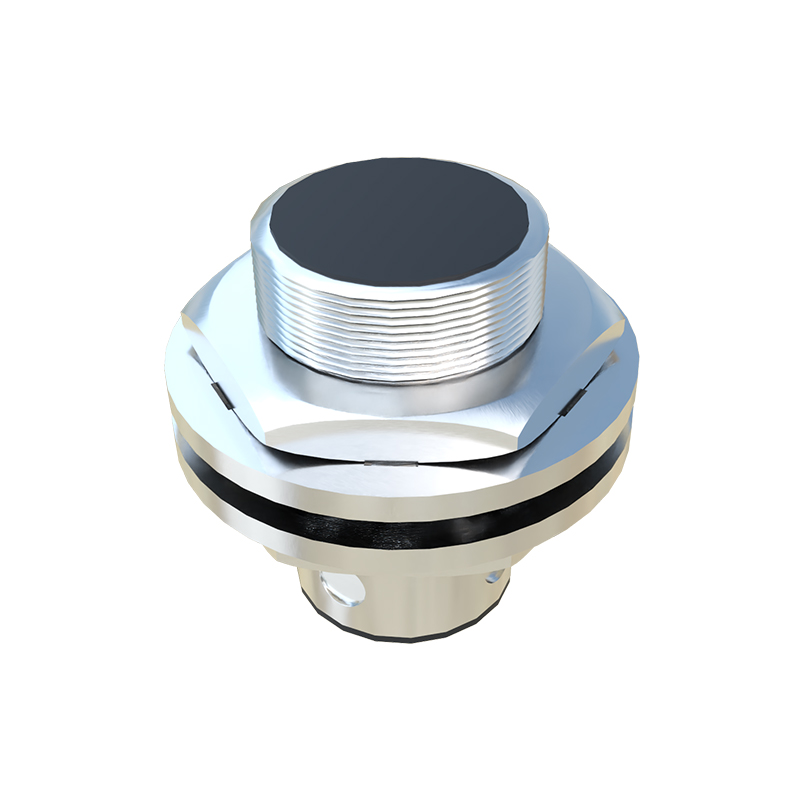
The automotive industry relies heavily on proximity sensors for safety and driver assistance. Ultrasonic sensors embedded in bumpers form the backbone of parking assistance systems. They emit high-frequency sound waves and measure the time it takes for the echo to return, calculating the distance to obstacles. This provides the driver with audible or visual cues, preventing collisions while maneuvering in tight spaces. More advanced systems use a combination of radar, LiDAR, and camera-based proximity detection for features like adaptive cruise control, blind-spot monitoring, and automatic emergency braking, forming critical layers of modern vehicular safety.
Industrial automation is another major domain where proximity sensors are fundamental. On assembly lines, inductive proximity sensors (which detect metallic objects) or capacitive sensors (which can detect non-metallic materials) are used for precise object counting, positioning, and quality control. For instance, they can verify if a bottle on a conveyor belt has its cap properly screwed on or if a component is present before a robotic arm performs a welding operation. This ensures process consistency, reduces waste, and minimizes machine downtime by preventing jams and misalignments. In harsh industrial environments, their rugged, contactless nature makes them more durable than mechanical limit switches.
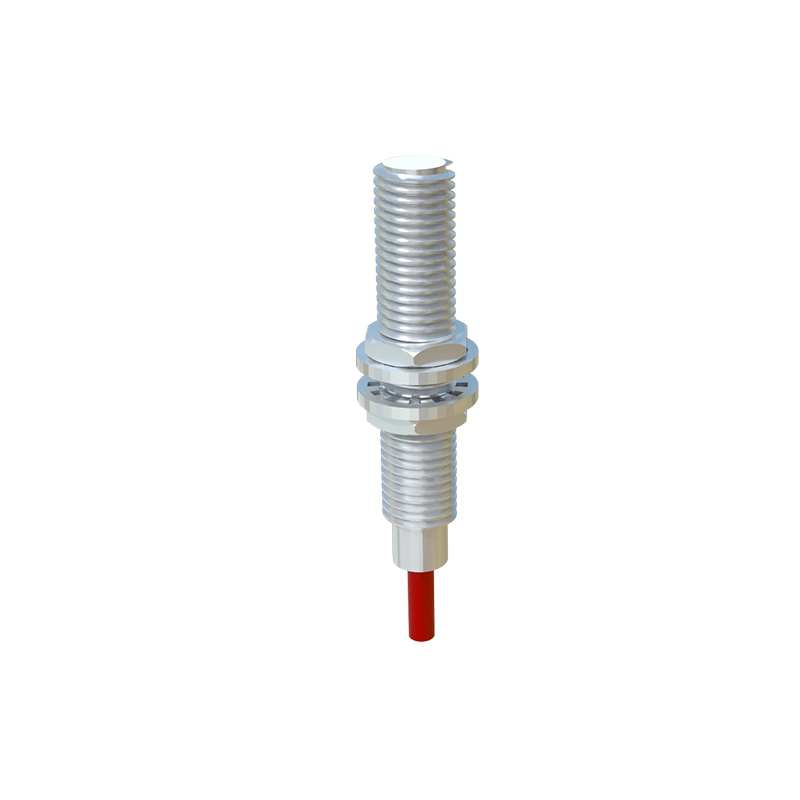
Beyond these common applications, proximity sensing technology enables innovative solutions in other fields. In retail, sensors can detect when a customer approaches a display, triggering interactive content or lighting. In public restrooms, they automate faucets, soap dispensers, and hand dryers, promoting hygiene and reducing water waste. In the medical field, they are used in equipment to ensure safe operation, such as detecting the correct positioning of a sample tray in an analyzer. Even in home automation, they can control lighting by sensing occupancy in a room, contributing to smart energy management.
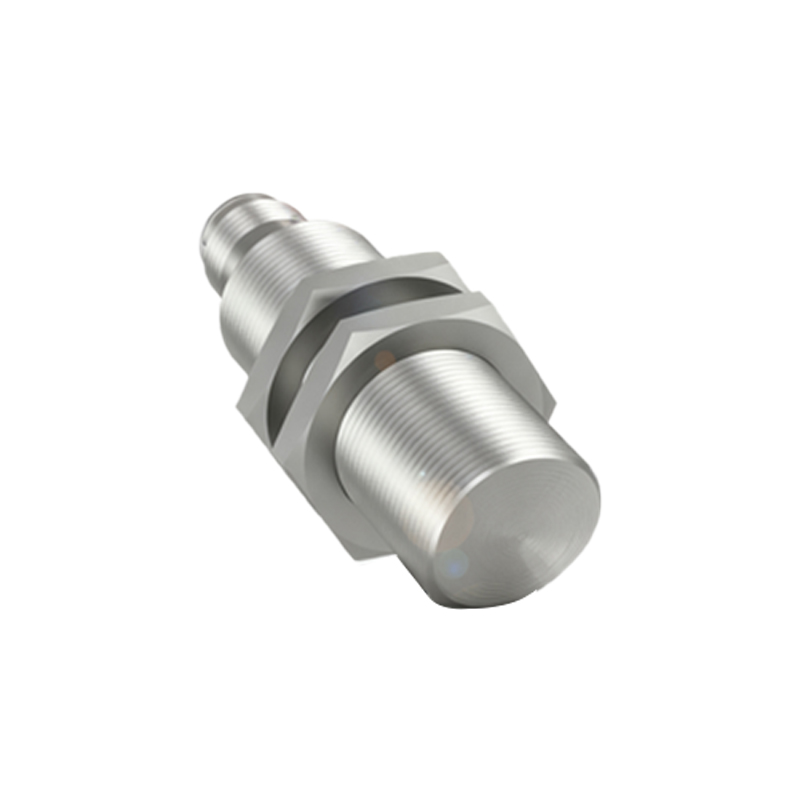
The choice of sensor type—inductive, capacitive, ultrasonic, infrared, or photoelectric—depends on the specific application requirements, including the material of the target object, required sensing distance, environmental conditions (like dust, moisture, or temperature), and needed response speed. Designers must balance factors like cost, precision, and reliability.
As technology evolves, the role of proximity sensors continues to expand. They are key enablers for the Internet of Things (IoT), providing the simple but critical data point of "presence" or "absence" that can trigger complex automated sequences. Their integration with machine learning algorithms can lead to more contextual and predictive behaviors in systems. From the phone in your pocket to the car you drive and the factory that manufactured it, proximity sensors work silently in the background, making technology more intuitive, efficient, and safe. Their continued development promises even greater integration into the fabric of our automated world.