In the realm of industrial automation and precision measurement, two sensor technologies stand out for their unique capabilities: fiber optic sensors and proximity sensors. While both serve the critical function of detection and measurement without physical contact, their underlying principles, construction, and ideal use cases differ significantly. Understanding these differences is essential for engineers and system designers to select the optimal technology for their specific application needs.
Fiber optic sensors operate by transmitting light through a flexible glass or plastic fiber. The core principle involves modulating a light signal—its intensity, phase, wavelength, or polarization—based on changes in the environment being measured. This modulated light travels back through the fiber to a detector, where the changes are analyzed to determine parameters like temperature, pressure, strain, or the presence of an object. A major category within this family is the through-beam or diffuse-reflective fiber optic sensor used for object detection. These sensors consist of a separate transmitter and receiver fiber (for through-beam) or a single fiber bundle (for diffuse) that guides light to and from a target. Their standout feature is the extremely small sensing head, allowing them to detect minute objects or fit into cramped spaces where traditional sensors cannot.
Proximity sensors, on the other hand, are a broad category of non-contact sensors designed to detect the presence or absence of an object within a defined range. The most common types are inductive, capacitive, and photoelectric. Inductive sensors detect metallic objects using an electromagnetic field, while capacitive sensors can detect both metallic and non-metallic materials by sensing changes in capacitance. Photoelectric proximity sensors, which share some conceptual ground with fiber optics, use a self-contained light beam (typically LED or laser) for detection. They are known for their relatively longer sensing distances and robustness.
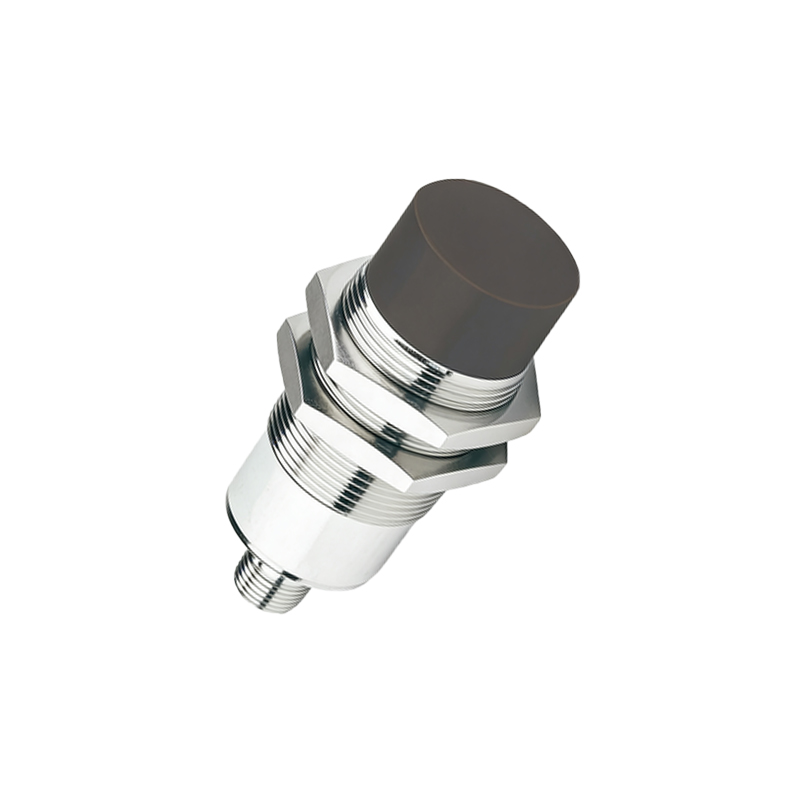
The contrast between the two technologies is stark when examining key performance factors. Sensing distance is a primary differentiator. Standard industrial proximity sensors, especially photoelectric types, often offer ranges from a few millimeters up to several meters. Fiber optic sensors, due to light attenuation in the fiber, typically have shorter effective ranges for standard applications, usually up to a few meters, but excel in ultra-precise, short-range detection. The environment plays a crucial role in selection. Fiber optic sensors are inherently immune to electromagnetic interference (EMI) and radio frequency interference (RFI), making them perfect for use near heavy machinery, welders, or in high-voltage areas. They are also often suitable for high-temperature, explosive, or highly corrosive environments because the sensitive electronics can be remotely located, with only the inert fiber tip exposed to the harsh conditions. Proximity sensors, particularly inductive ones, are robust but can be affected by strong EMI, and their electronics are usually housed within the sensing unit.
Precision and application focus further separate them. Fiber optic sensors are the tool of choice for high-precision tasks. They can detect incredibly small objects—like microchips on a production line—or measure subtle changes in vibration, refractive index, or temperature. This makes them indispensable in semiconductor manufacturing, biomedical instrumentation, and structural health monitoring. Proximity sensors are the workhorses of general industrial automation. They are commonly used for tasks such as counting objects on a conveyor belt, determining the position of a machine part (like a cylinder), or detecting the end of a roll of material. They are valued for their simplicity, durability, and cost-effectiveness for standard detection jobs.
Installation and maintenance also differ. A fiber optic sensor system requires careful handling of the fiber cable, which can be fragile and may suffer from bending losses if routed too tightly. However, the separation of the sensing head from the amplifier unit provides exceptional flexibility in mounting. Proximity sensors are typically all-in-one devices, easier to install and replace, but their placement is constrained by the size of the sensor body itself.
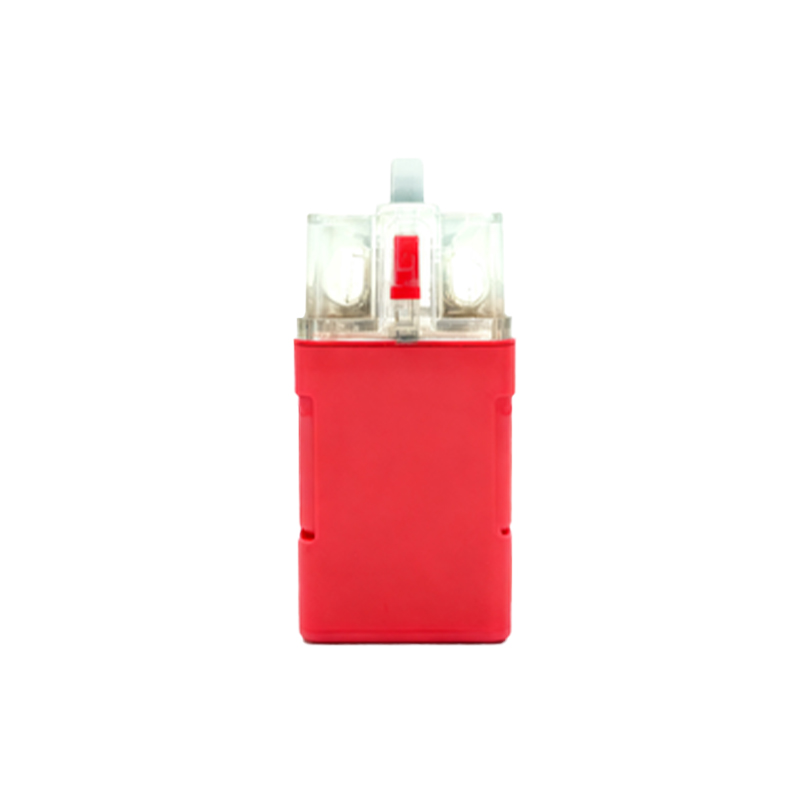
In summary, the choice is not about which technology is superior, but which is more appropriate. Proximity sensors offer a reliable, cost-effective solution for general-purpose object detection in standard industrial environments. Fiber optic sensors provide a specialized, high-precision tool capable of operating in challenging conditions where electrical immunity, small size, or extreme environmental resistance is paramount. By carefully considering factors such as target material, required precision, environmental hazards, and space constraints, engineers can leverage the strengths of each sensor type to build more efficient, reliable, and intelligent automated systems.