Proximity sensors are essential components in modern automation, manufacturing, and consumer electronics. Their prices vary significantly based on technology, performance, and application requirements. Understanding the cost factors helps buyers make informed decisions without overspending.
Inductive proximity sensors, commonly used for metal detection, typically range from $15 to $100 per unit. Basic tubular models for simple industrial tasks start around $15–$30. Enhanced versions with extended sensing ranges or specialized housings can cost $50–$100. For high-precision applications in automotive or aerospace, prices may exceed $150 due to rigorous durability and accuracy standards.
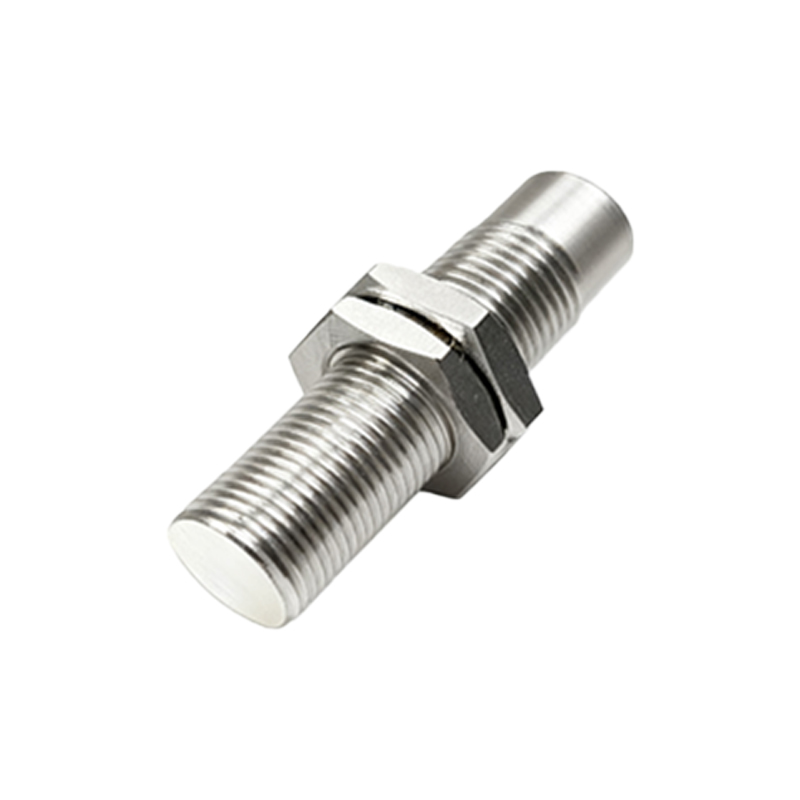
Capacitive sensors, capable of detecting both metallic and non-metallic materials, are priced between $20 and $120. Standard models for liquid level detection or plastic object sensing fall in the $20–$50 bracket. Units with temperature compensation or anti-corrosion coatings often cost $60–$120. These sensors are favored in food processing and packaging industries where versatility justifies the investment.
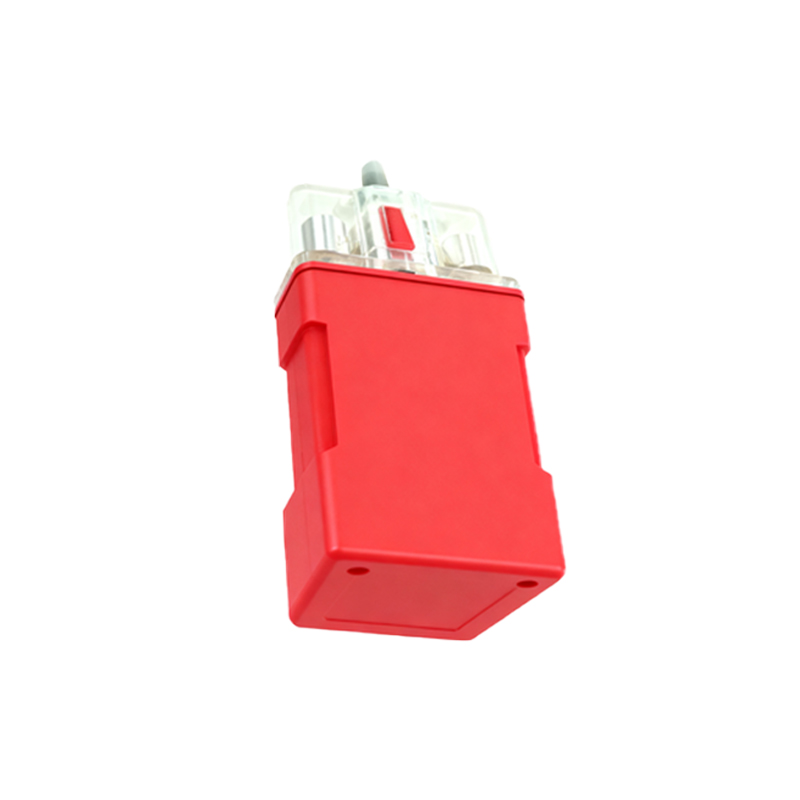
Ultrasonic proximity sensors, offering longer detection distances, range from $40 to $200. Entry-level models for distance measurement in robotics start at $40–$80. Advanced variants with analog outputs or noise immunity features reach $100–$200. Their ability to operate in dusty or humid environments makes them ideal for agricultural and logistics automation, though higher accuracy models command premium prices.
Photoelectric sensors, including infrared and laser types, span $25 to $250. Basic diffuse-reflective sensors cost $25–$60, while through-beam models with longer ranges are priced at $80–$150. High-speed laser sensors for precision alignment in electronics assembly can exceed $200. Factors like sensing distance, response time, and environmental ratings directly influence costs.
Magnetic proximity sensors, often used for door or position detection, are among the most affordable at $10–$50. Simple reed switch models start below $10, solid-state Hall effect sensors range from $20–$50. Their low cost and reliability explain widespread use in home appliances and security systems.
Key cost drivers include sensing range, output type (digital vs. analog), housing material (e.g., stainless steel for harsh conditions), and certification requirements (e.g., ATEX for explosive atmospheres). Bulk purchasing from distributors like Digi-Key or AutomationDirect often reduces unit costs by 10–30%.
Emerging trends like IoT integration and miniaturization may gradually lower prices for standard sensors while increasing costs for smart, connected variants. Buyers should balance specifications with actual needs—over-specifying leads to unnecessary expenses, while under-specifying risks system failures.
In summary, proximity sensor prices reflect a trade-off between performance and affordability. By evaluating technical requirements and supplier options, businesses can optimize budgets without compromising operational efficiency.