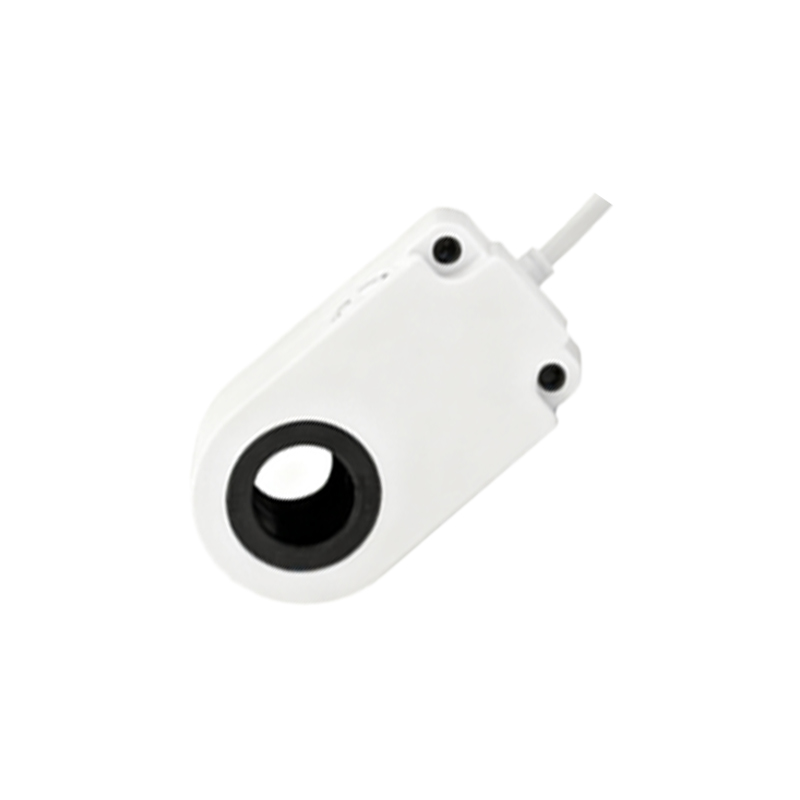
In the demanding world of industrial automation, reliability and durability are non-negotiable. Equipment must perform consistently in harsh environments where factors like moisture, chemicals, temperature extremes, and physical impact are commonplace. This is where stainless steel proximity sensor switches distinguish themselves as a cornerstone technology. Unlike their plastic or mild steel counterparts, these robust sensors are engineered to thrive where others fail, offering unparalleled longevity and stable performance.
A proximity sensor switch is a non-contact device that detects the presence or absence of an object within its sensing range. It operates by generating an electromagnetic field or a beam of electromagnetic radiation (like infrared light). When a target object enters this field, it causes a change in the signal, which is then converted into an electrical output signal to trigger an action—such as counting, positioning, or automated control. The core innovation of the stainless steel variant lies in its housing. Constructed typically from grade 304 or 316 stainless steel, the sensor body provides exceptional resistance to corrosion, oxidation, and pitting. This makes them ideal for applications in food and beverage processing, pharmaceutical manufacturing, chemical plants, marine environments, and outdoor machinery, where washdowns with aggressive cleaning agents are routine.
The benefits of opting for a stainless steel housing are multifaceted. First and foremost is corrosion resistance. Standard sensor housings can degrade quickly when exposed to salty air, acidic fumes, or caustic cleaners, leading to premature failure and costly downtime. A stainless steel sensor effectively eliminates this concern. Secondly, they offer superior mechanical strength and impact resistance. In busy plants where sensors might be bumped by forklifts, tools, or falling debris, the rugged stainless steel casing protects the sensitive internal electronics. Furthermore, many stainless steel proximity switches are designed with fully welded bodies or advanced sealing technologies (often rated IP67, IP68, or IP69K), making them impervious to dust ingress and high-pressure, high-temperature water jets.
There are several primary sensing technologies encapsulated within these durable housings, each suited to different target materials. Inductive proximity sensors are the most common type for metallic targets. They generate an oscillating electromagnetic field and detect the eddy current losses caused when a conductive metal object enters the field. Stainless steel inductive sensors are perfect for detecting the position of metal parts on a conveyor, monitoring valve positions, or serving as end stops in machinery. For non-metallic targets—such as glass, plastic, wood, or liquid—capacitive proximity sensors are used. These sensors detect changes in capacitance caused by any object that alters the dielectric constant of the space between the sensor and ground. Housed in stainless steel, they are invaluable in level detection for tanks containing corrosive liquids or in packaging lines handling various materials.
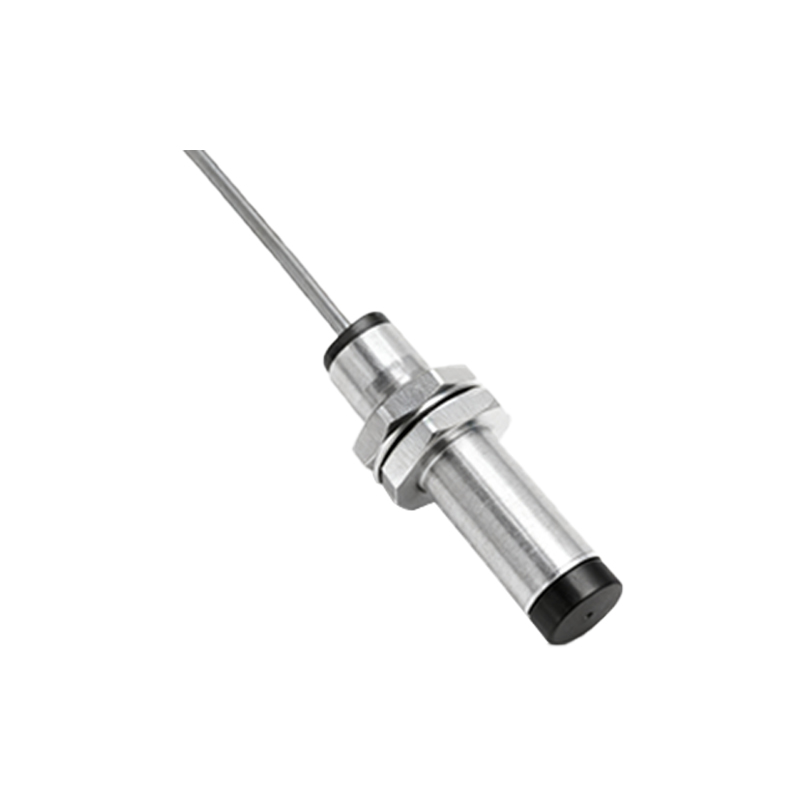
When integrating stainless steel proximity switches into a system, several key specifications require careful consideration. The sensing range, which is typically shorter for inductive sensors detecting stainless steel targets (due to its lower electrical conductivity compared to mild steel), must be factored into mechanical design. The electrical output type—whether NPN (sinking) or PNP (sourcing)—must match the control system's input card requirements. Operating temperature range is another critical factor; high-grade stainless steel sensors can reliably function in environments from -25°C to well over +70°C. Finally, the connection method, such as pre-wired cables or quick-disconnect connectors, should be chosen based on maintenance and installation needs.
The application spectrum for these workhorse components is vast. In food processing, they count bottles on filling lines, verify cap placement, and detect product positions, all while withstanding frequent sterilization with steam and caustic solutions. In wastewater treatment plants, they monitor screen positions and pump levels despite constant exposure to moisture and abrasive slurries. In heavy machinery and mobile equipment, they provide reliable position feedback for hydraulic cylinders and moving assemblies, enduring vibration and shock.
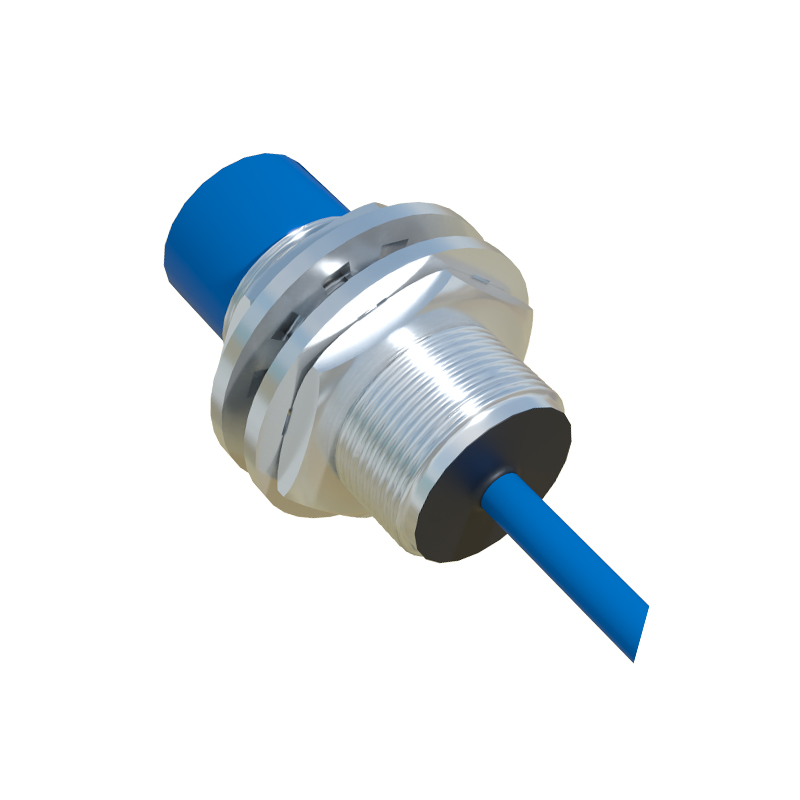
Selecting the right stainless steel proximity sensor involves a clear analysis of the operating environment and the task. Engineers must define the target material, required sensing distance, environmental contaminants, temperature extremes, and necessary ingress protection rating. While the initial investment in a stainless steel sensor is higher than for a standard model, the total cost of ownership is often significantly lower. This is due to reduced failure rates, minimized unplanned downtime, lower maintenance costs, and extended service intervals. In essence, they are not just components but long-term investments in system reliability.
As industries continue to push for higher efficiency, smarter automation, and more resilient infrastructure, the role of the stainless steel proximity sensor switch becomes increasingly vital. Its combination of sophisticated sensing electronics and nearly indestructible packaging represents a perfect synergy for modern industrial challenges. By ensuring consistent, accurate detection in the toughest conditions, these sensors form the reliable sensory foundation upon which safe, efficient, and continuous automated processes are built.