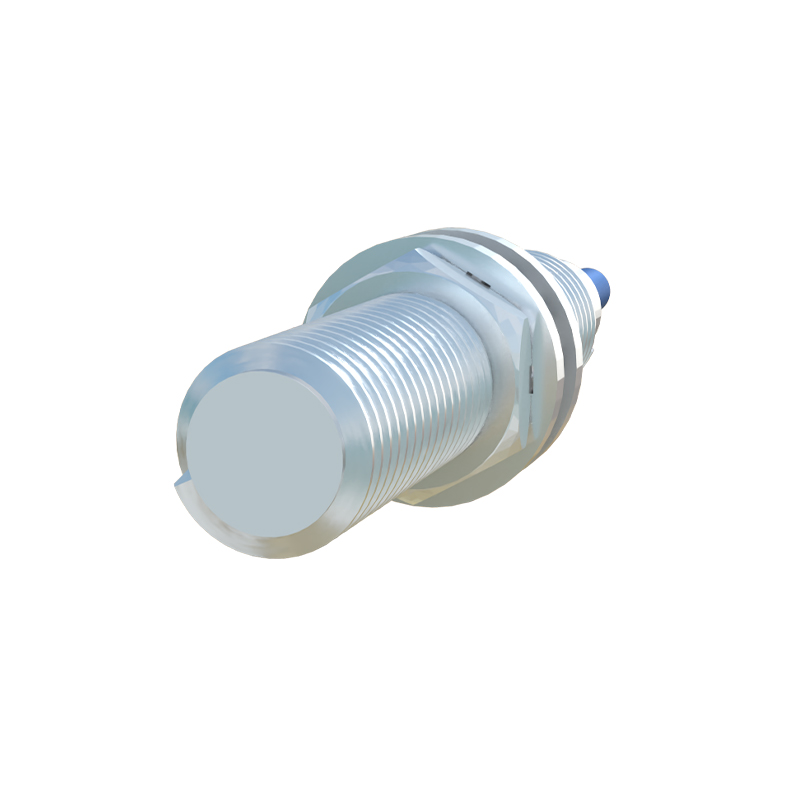
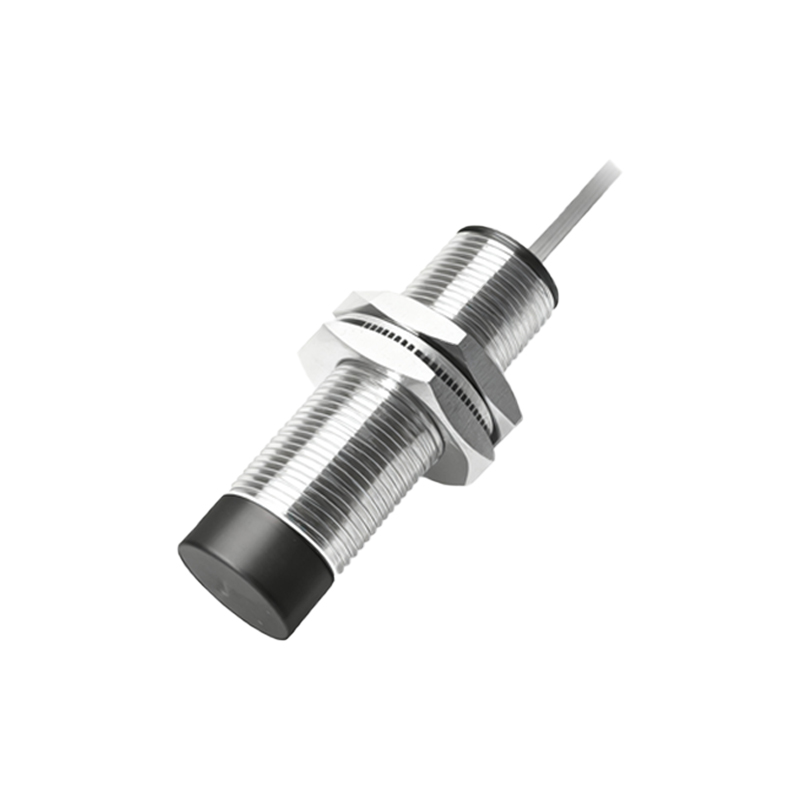
In the realm of automation, consumer electronics, and industrial safety, a small but critical component often works silently in the background: the optical proximity sensor. This sophisticated device has become ubiquitous, enabling features we now take for granted, from the smartphone that dims its screen during a call to the automatic doors that slide open as we approach. Unlike mechanical switches or ultrasonic sensors, optical proximity sensors offer a unique blend of non-contact detection, high precision, and fast response, making them indispensable in modern technology.
At its core, an optical proximity sensor operates on a simple yet effective principle. It consists of two main components: a light emitter, typically an infrared Light Emitting Diode (IR LED), and a light detector, usually a photodiode or phototransistor. The emitter projects an invisible beam of infrared light outward. When an object enters the sensor's detection field, it reflects a portion of this light back towards the detector. The sensor's internal circuitry then measures the intensity of the reflected light. By analyzing this intensity—often through triangulation or time-of-flight (ToF) methods—the sensor can accurately determine not only the presence of an object but also its distance. More advanced sensors can even discern specific patterns or gestures. This entire process occurs in milliseconds, without any physical contact, ensuring reliability and longevity.
The applications of optical proximity sensors are vast and varied. In the consumer electronics sector, they are the unsung heroes of user experience. Smartphones use them to detect when the device is held to the user's ear during a call, automatically turning off the touchscreen to prevent accidental inputs and saving battery life. Tablets and laptops employ similar sensors to disable the keyboard when the lid is closed. In automotive applications, these sensors enhance safety and convenience. They are integrated into systems for automatic headlight control, adjusting beam intensity based on ambient light and the proximity of other vehicles. Some advanced driver-assistance systems (ADAS) use arrays of optical sensors for blind-spot monitoring and parking assistance.
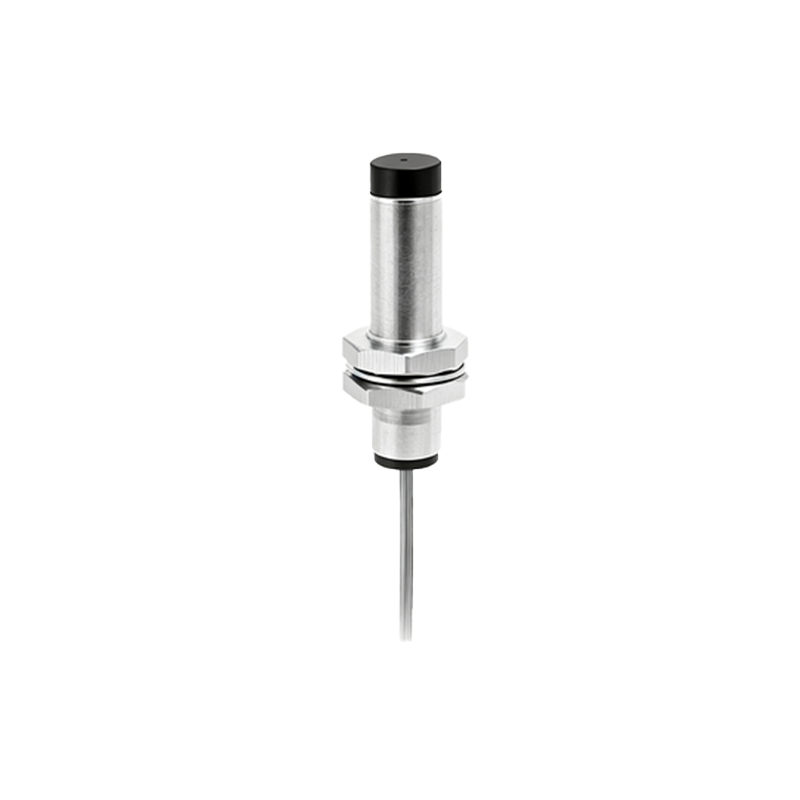
Industrial and commercial settings rely heavily on optical proximity sensors for automation and safety. On assembly lines, they count products, detect the presence of components for robotic arms, and ensure precise positioning. In packaging machinery, they verify that labels are correctly applied or that boxes are properly sealed. Safety is another critical domain; sensors can create an invisible "light curtain" around dangerous machinery, instantly shutting down equipment if a worker's hand breaches the barrier. Furthermore, they are integral to modern building automation, controlling lighting and HVAC systems based on room occupancy, thereby contributing significantly to energy efficiency.
Looking ahead, the future of optical proximity sensing is intertwined with advancements in miniaturization, power efficiency, and intelligence. The emergence of Vertical-Cavity Surface-Emitting Lasers (VCSELs) as light sources promises even smaller sensor footprints with higher accuracy and lower power consumption, ideal for next-generation wearables and Internet of Things (IoT) devices. The integration of Artificial Intelligence (AI) and machine learning algorithms is set to transform these sensors from simple presence detectors into contextual awareness modules. Future sensors could differentiate between a human hand, a pet, or a falling object, enabling more nuanced and intelligent responses in smart home environments, robotics, and healthcare monitoring systems. As the demand for seamless human-machine interaction grows, optical proximity sensors will continue to evolve, becoming more adaptive, energy-efficient, and integral to the fabric of intelligent systems.