In the world of automation, consumer electronics, and industrial safety, a small and often unseen component plays a critical role: the proximity sensor. These devices are fundamental to modern technology, enabling machines to "sense" the presence or absence of nearby objects without any physical contact. This non-contact detection capability is what makes them so versatile, reliable, and essential across countless applications.
At its core, a proximity sensor detects the presence of an object, often referred to as the "target." The specific technology it uses depends on the type of sensor and the nature of the target material. The most common types include inductive, capacitive, ultrasonic, and photoelectric sensors. Each operates on a distinct physical principle, making them suitable for different environments and materials.
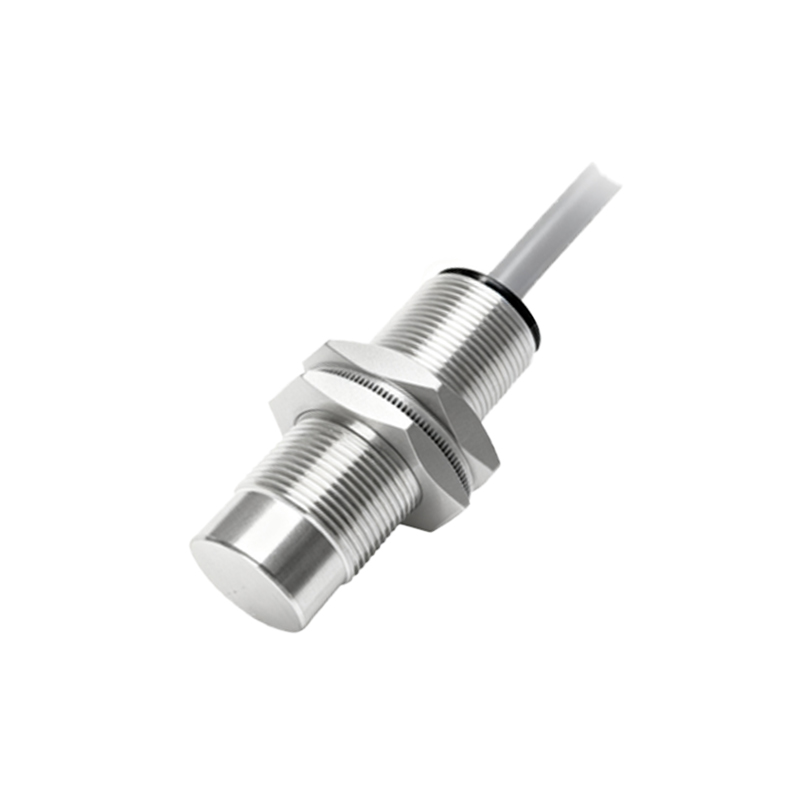
Inductive proximity sensors are widely used in industrial settings. They generate an electromagnetic field. When a metallic object enters this field, it induces eddy currents within the target, which causes a change in the sensor's own oscillation amplitude. This change is detected, and the sensor sends an electrical signal. Because they only detect metals, they are highly reliable in dirty or wet conditions where other sensors might fail, making them perfect for machine automation, position sensing, and metal detection on assembly lines.
Capacitive proximity sensors, on the other hand, can detect both metallic and non-metallic materials, including liquids, plastics, wood, and granules. They work by generating an electrostatic field. Any object that enters this field alters the capacitance of the sensor's circuit. This change triggers the output switch. This makes them invaluable in industries like food processing, chemical handling, and level detection in tanks or silos, where non-metal materials are common.
For longer-range detection or applications requiring sensing of irregular surfaces, ultrasonic proximity sensors are often the choice. They emit high-frequency sound waves (ultrasound) and measure the time it takes for the echo to return after bouncing off an object. By calculating this "time-of-flight," the sensor can determine the distance to the target. They are excellent for presence detection, distance measurement, and object profiling, even in challenging environments with dust, smoke, or varying colors.
Photoelectric sensors use light, typically infrared or laser, to detect objects. They consist of an emitter and a receiver. In a through-beam setup, the object breaks a light beam between separate units. In a reflective setup, the sensor detects light reflected back from the target. These sensors offer very long sensing ranges and high precision, commonly found in packaging machinery, conveyor systems, and safety curtains.
The applications of proximity sensors are virtually limitless. In your smartphone, a miniature proximity sensor turns off the touchscreen during a call to prevent accidental cheek-presses. In automotive systems, they are crucial for parking assistance, blind-spot detection, and automatic door systems. In advanced manufacturing, they enable precise robotic positioning, part counting, and automated quality control. Furthermore, they are pillars of safety, used in machinery guarding to halt equipment if a person gets too close.
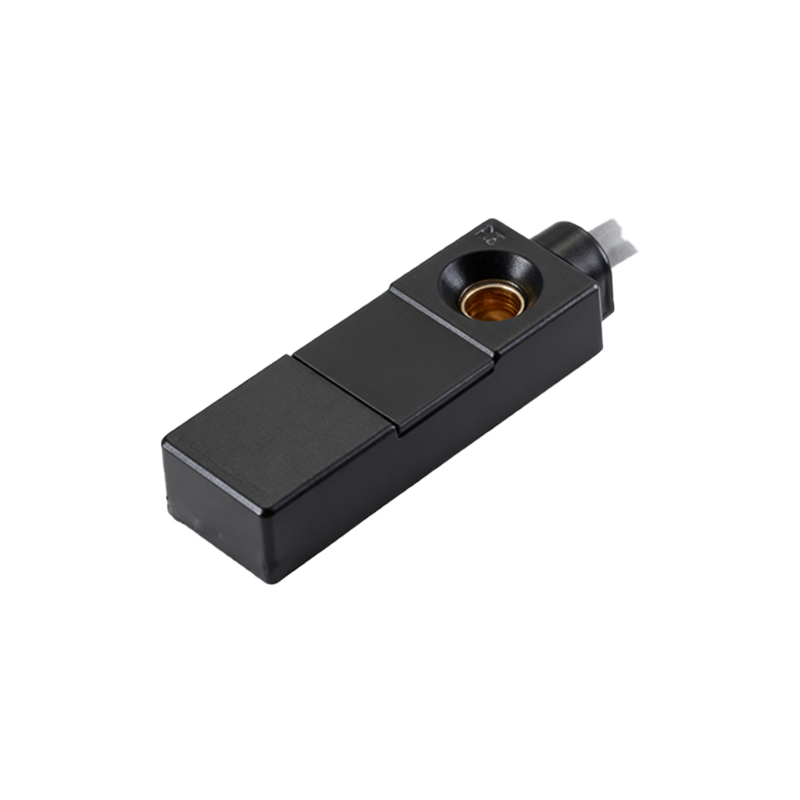
Selecting the right proximity sensor involves considering several factors: the target material, the required sensing distance, environmental conditions (temperature, moisture, contaminants), the output type needed (digital or analog), and the required response speed. Understanding these parameters ensures optimal performance and system reliability.
As technology evolves, proximity sensors continue to become smaller, smarter, and more integrated. The advent of IO-Link communication allows sensors to provide detailed diagnostic data, not just a simple on/off signal, paving the way for predictive maintenance and Industry 4.0 applications. Their fundamental role in creating interactive, efficient, and safe automated systems remains undisputed, quietly shaping the functionality of the devices and machines we interact with every day.