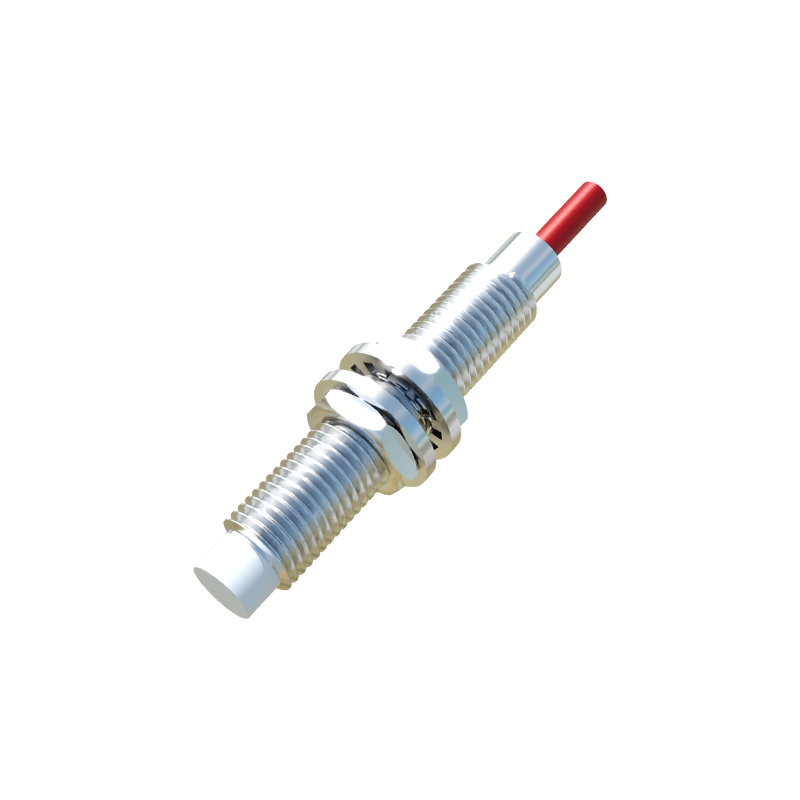
In industrial automation and electronic systems, sensors play a critical role in detecting the presence, absence, or position of objects without physical contact. Two commonly used types are proximity sensors and inductive sensors. While the terms are sometimes used interchangeably, they represent distinct technologies with unique operating principles and ideal use cases. Understanding their differences is essential for selecting the right component for any application.
A proximity sensor is a broad category of devices that detect the presence of nearby objects. The key defining feature is the lack of physical contact. Proximity sensors can utilize various technologies to achieve this, including inductive, capacitive, ultrasonic, infrared (IR), and photoelectric methods. Their primary function is to simply sense that an object is within a certain detection range or "proximity." For instance, the screen of a modern smartphone turns off when you hold it to your ear during a call; this is typically managed by an infrared or capacitive proximity sensor. In retail, automatic doors open using ultrasonic or microwave proximity sensors. Therefore, "proximity sensor" is an umbrella term describing the sensor's function—non-contact detection.
An inductive sensor, on the other hand, is a specific type of proximity sensor. It operates on a well-defined physical principle: electromagnetic induction. An inductive sensor generates an oscillating electromagnetic field from its active face, which is produced by a coil and an oscillator circuit. When a metallic object (typically ferrous metals like iron and steel, though some can detect non-ferrous metals like aluminum, copper, or brass) enters this field, eddy currents are induced on the surface of the metal. This causes a change in the oscillation amplitude or frequency within the sensor's circuit. The sensor's detection circuit monitors this change and triggers a solid-state switch output, signaling the presence of the metal object.
The core distinction lies in specificity and technology. All inductive sensors are proximity sensors, but not all proximity sensors are inductive. Inductive sensors are highly specialized for detecting metals. They are largely unaffected by non-metallic materials like wood, plastic, liquid, or dust, making them exceptionally robust in dirty, oily, or wet industrial environments. Their sensing range is limited, usually from a few millimeters up to about 60 millimeters, depending on the sensor size and target material.
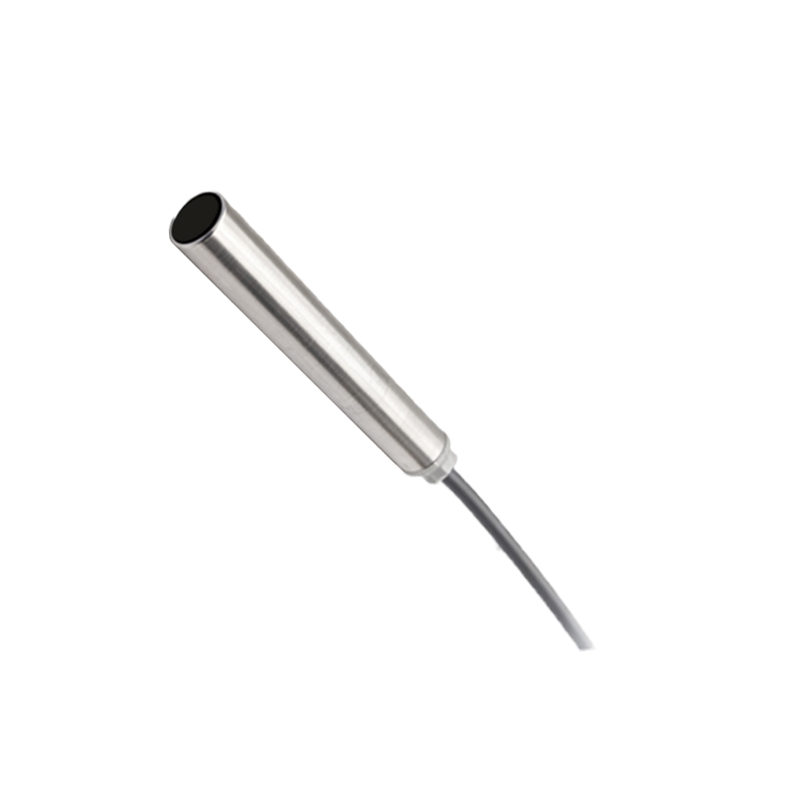
Other proximity sensor technologies fill different niches. Capacitive sensors can detect both metallic and non-metallic materials (plastics, liquids, wood, granules) by measuring changes in capacitance. Ultrasonic sensors use sound waves to detect objects of almost any material and are effective over longer distances. Photoelectric sensors use light beams and are excellent for long-range detection and seeing through transparent materials.
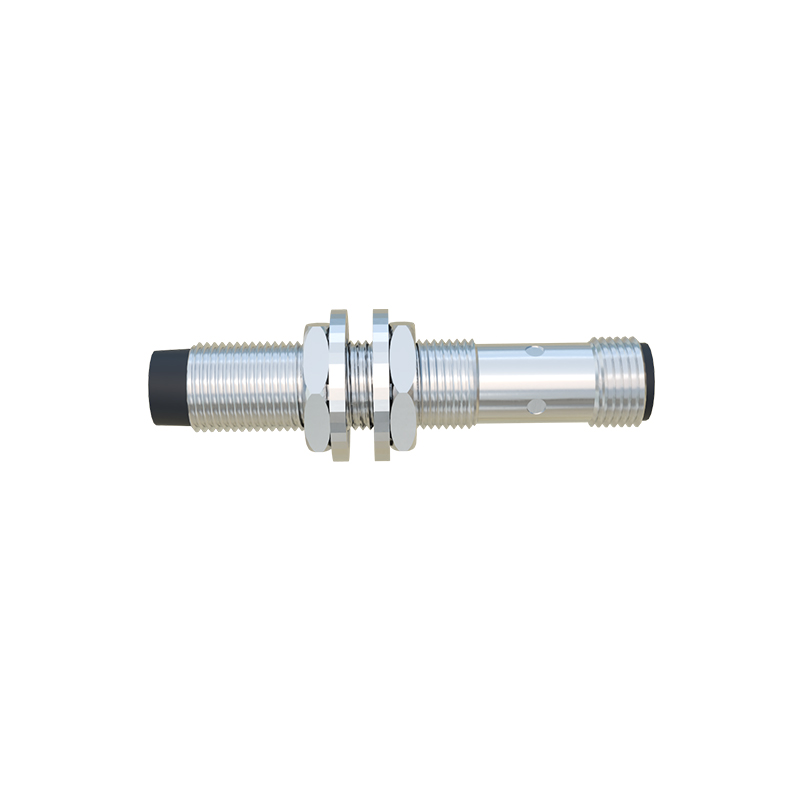
When choosing between an inductive sensor and another type of proximity sensor, the material of the target object is the first deciding factor. If the application involves exclusively detecting metals in a harsh environment—such as counting metal parts on a conveyor, determining the position of a machine piston, or providing end-position verification in a metal stamping press—an inductive sensor is almost always the superior choice. They are known for their high switching frequency, precision, repeatability, and long service life due to having no moving mechanical parts.
For applications requiring detection of non-metals, or for longer ranges, other proximity technologies are necessary. A capacitive sensor might be used to detect the level of liquid in a tank or the presence of a glass bottle. An ultrasonic sensor could measure the distance to a cardboard box on a pallet. A photoelectric sensor might detect a transparent film in a packaging machine.
In summary, while both devices provide non-contact sensing, an inductive sensor is a metal-specific tool within the larger toolbox of proximity sensing technologies. The term "proximity sensor" describes the what—detecting an object's presence. "Inductive sensor" describes the how—using an electromagnetic field to detect metal. Engineers and technicians must carefully consider the target material, environmental conditions, required sensing distance, and cost to deploy the most effective and reliable sensing solution for their specific automation challenge. This precise selection ensures optimal system performance, efficiency, and longevity.