In the rapidly evolving landscape of automation and smart technology, the short-range proximity sensor platform has emerged as a foundational component. This sophisticated system integrates advanced sensing technologies to detect the presence, absence, or position of an object within a very limited range, typically from a few millimeters up to several centimeters. Unlike long-range sensors, these platforms excel in precision and reliability for close-quarters applications, forming the invisible interface between the physical and digital worlds.
The core of a modern short-range proximity sensor platform lies in its diverse sensing methodologies. Inductive sensors are workhorses in industrial settings, generating an electromagnetic field to detect metallic objects without physical contact, making them ideal for harsh environments. Capacitive sensors, on the other hand, can detect both metallic and non-metallic materials, including liquids and human skin, by measuring changes in capacitance. This versatility powers touch interfaces and liquid level detection. Furthermore, optical proximity sensors, utilizing infrared (IR) LEDs and photodetectors, offer high precision for object detection and are ubiquitous in consumer electronics for features like display blanking during phone calls. Ultrasonic sensors complete the portfolio, using sound waves to measure distance to objects, effective even with transparent or variably colored surfaces.
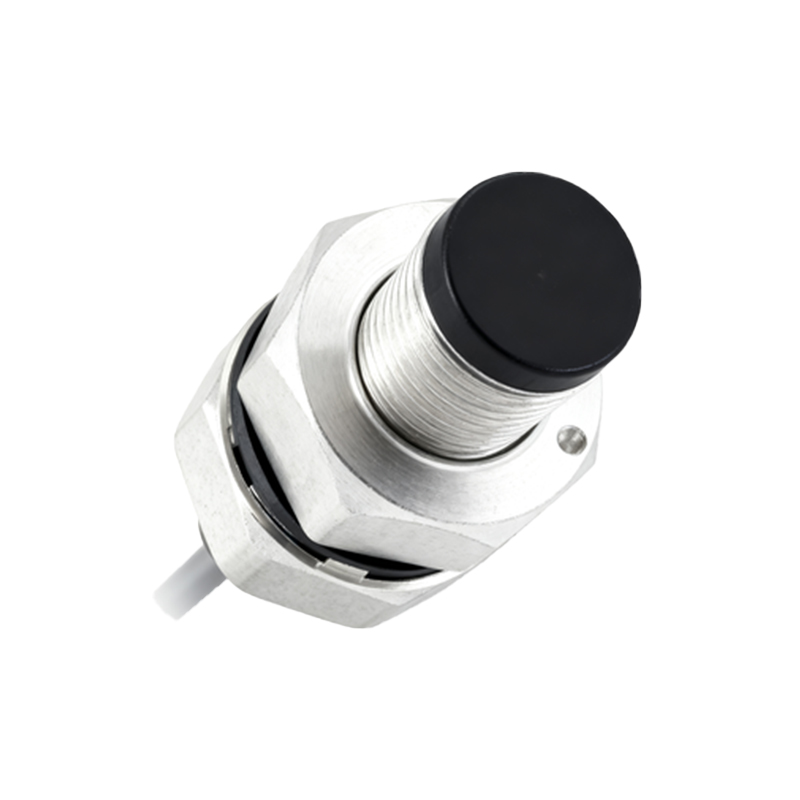
The true power of these sensors is unlocked when they are integrated into a cohesive "platform." This goes beyond a single sensor component. A platform encompasses the sensor element, the signal conditioning circuitry, embedded processing logic, standardized communication interfaces (like I2C, SPI, or IO-Link), and often software development kits (SDKs) or application programming interfaces (APIs). This holistic approach allows for seamless integration into larger systems. Design engineers can leverage pre-configured, calibrated modules, drastically reducing development time and complexity. The platform handles the intricacies of signal noise, environmental compensation, and data preprocessing, delivering clean, reliable digital or analog outputs to the host controller.
Applications for these platforms are vast and growing. In industrial automation, they provide critical feedback for robotic arms in assembly lines, ensuring precise part placement and enabling collaborative robot (cobot) safety by detecting human intrusion. In consumer electronics, they enable the automatic on/off functionality of smart displays, tablets, and laptops, conserving battery life. They are integral to touchless faucets, soap dispensers, and hand dryers in public facilities, promoting hygiene. The automotive industry relies on them for seat occupancy detection, gearshift positioning, and in-cabin gesture control systems. In the realm of the Internet of Things (IoT), these sensors act as the trigger for smart devices, waking them up upon user approach to enable context-aware interactions.
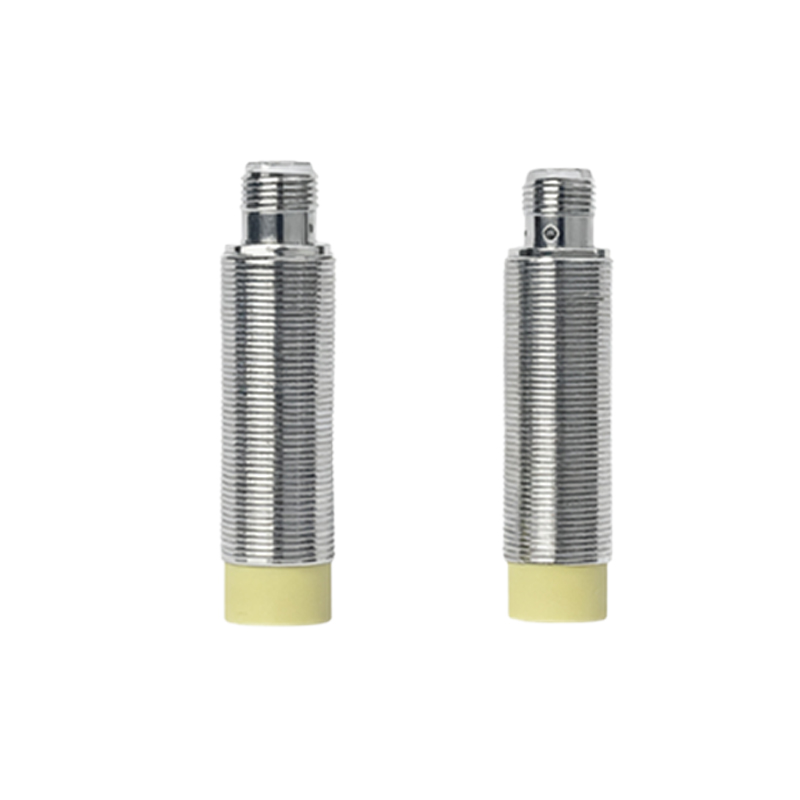
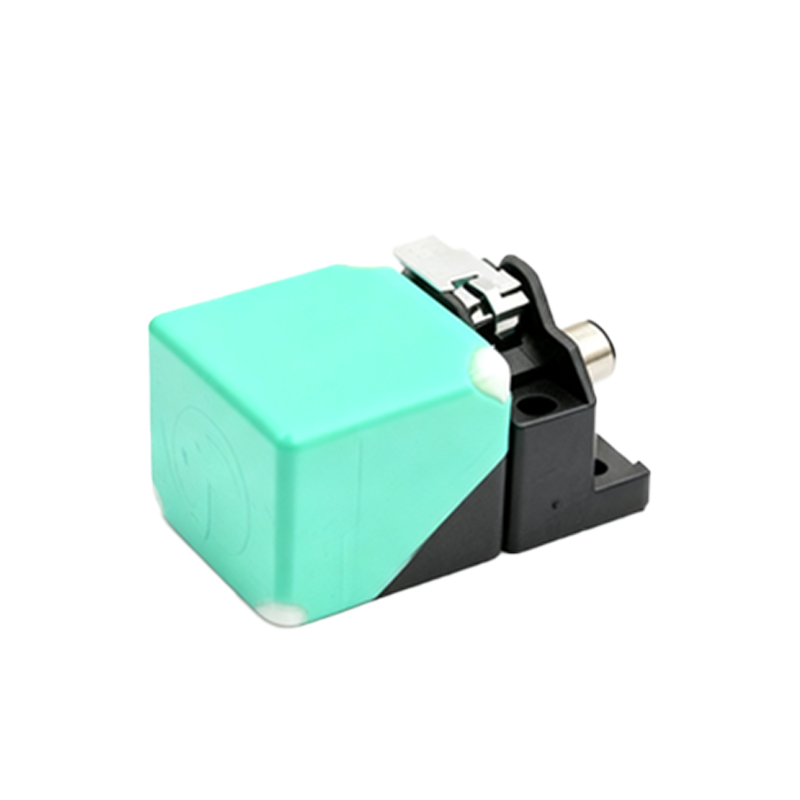
When selecting a short-range proximity sensor platform, several key parameters demand consideration. The sensing range, repeatability, and response time are fundamental. The platform's immunity to environmental interference—such as ambient light for optical sensors, or temperature fluctuations and electromagnetic noise for inductive sensors—is crucial for stable operation. Physical factors like size, housing material (often PBT or stainless steel for robustness), and output type (NPN/PNP, analog, digital) must align with the mechanical and electrical constraints of the application. Modern platforms also emphasize low power consumption, a critical feature for battery-operated portable and IoT devices, often featuring wake-on-proximity modes.
Looking ahead, the trajectory for short-range proximity sensor platforms points toward greater intelligence, miniaturization, and integration. The convergence with artificial intelligence at the edge is a significant trend. Future platforms will not only detect presence but also classify objects or gestures using on-board microprocessors running lightweight machine learning models. Multi-sensor fusion platforms, combining proximity, ambient light, and even temperature sensing in a single, tiny package, will become standard, providing richer contextual data. Furthermore, advancements in materials and manufacturing are pushing the limits of miniaturization, allowing these powerful sensing platforms to be embedded into increasingly compact and wearable devices.
In conclusion, the short-range proximity sensor platform is far more than a simple switch. It is a sophisticated, enabling technology that drives efficiency, enables intuitive user interfaces, and ensures safety across countless industries. By abstracting complexity and offering reliable, ready-to-deploy solutions, these platforms empower innovators to focus on creating smarter, more responsive, and interactive products for the connected world. Their continued evolution will be central to the next wave of automation and human-machine interaction.