In today's rapidly advancing industrial and technological landscape, proximity sensors have become indispensable components. These devices, which detect the presence or absence of an object without physical contact, are crucial for automation, safety, and efficiency across countless applications. If you are in the market to purchase proximity sensors, navigating the vast array of options can be daunting. This guide provides essential information to help you make an informed decision, focusing on key selection criteria and reliable purchasing channels.
Understanding the core technology is the first step. Proximity sensors primarily operate on several principles: inductive, capacitive, photoelectric, and ultrasonic. Inductive sensors are the workhorses for detecting metallic objects and are widely used in manufacturing and automotive assembly lines. Capacitive sensors can detect both metallic and non-metallic materials, including liquids and powders, making them ideal for level detection in tanks or material handling. Photoelectric sensors use light beams to detect objects at greater distances and are perfect for packaging, material handling, and conveyor systems. Ultrasonic sensors employ sound waves, excelling in challenging environments with dust, moisture, or varying colors, often used for distance measurement and liquid level control.
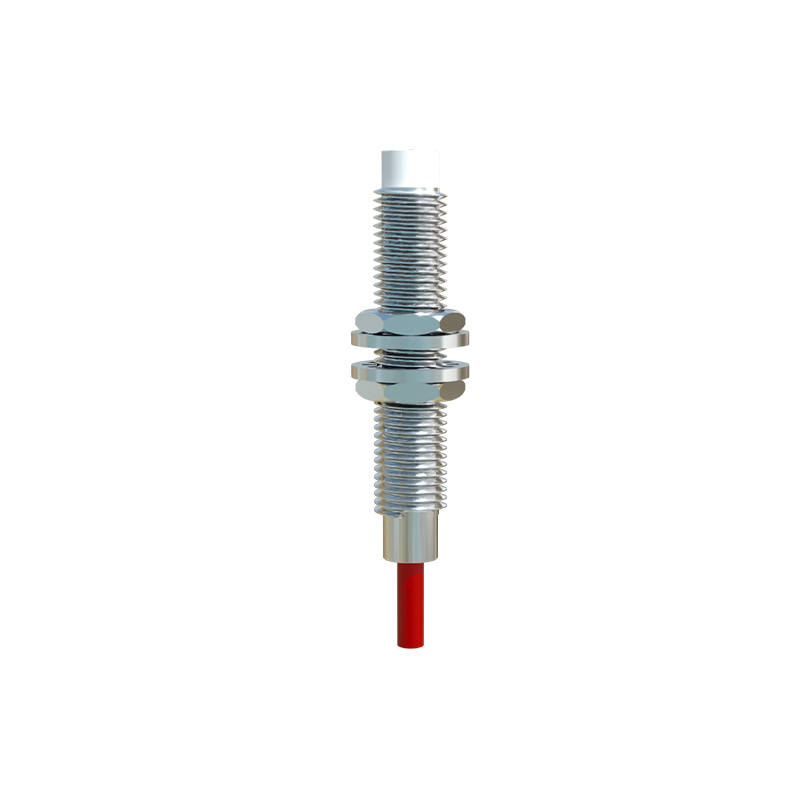
Selecting the right sensor requires a careful analysis of your specific application. Begin by defining the object to be detected: its material, size, and expected movement. Next, consider the operating environment. Will the sensor be exposed to extreme temperatures, washdowns, oils, or corrosive chemicals? The sensor's housing material and ingress protection (IP) rating are critical here. A stainless-steel housing with a high IP rating (like IP67 or IP69K) is necessary for harsh industrial or food-grade environments. The required sensing distance, or range, is another vital parameter. Always choose a sensor with a nominal sensing distance slightly greater than your application requires to account for installation tolerances and potential wear.
Output type is a key functional decision. Most proximity sensors provide a digital switch signal. Common output configurations include NPN (sinking) and PNP (sourcing) transistor outputs, as well as relay and analog current (4-20mA) or voltage (0-10V) outputs. Your choice must be compatible with the input module of your programmable logic controller (PLC) or other control system. Don't overlook the electrical requirements: operating voltage (e.g., 10-30V DC or 90-250V AC) and current rating must match your power supply and load.
Once your technical specifications are clear, finding a reputable supplier is paramount. Several avenues exist for purchasing proximity sensors. Direct procurement from established manufacturers like Siemens, Omron, Schneider Electric, or Pepperl+Fuchs ensures product authenticity, full technical support, and warranty coverage. Their websites often have detailed catalogs, CAD drawings, and configuration tools. For many buyers, however, authorized distributors and industrial suppliers offer significant advantages. These partners, such as Allied Electronics, RS Components, or Grainger, provide access to a broad portfolio from multiple brands, localized stock for faster delivery, and valuable application engineering support. They act as one-stop shops for all your automation component needs.
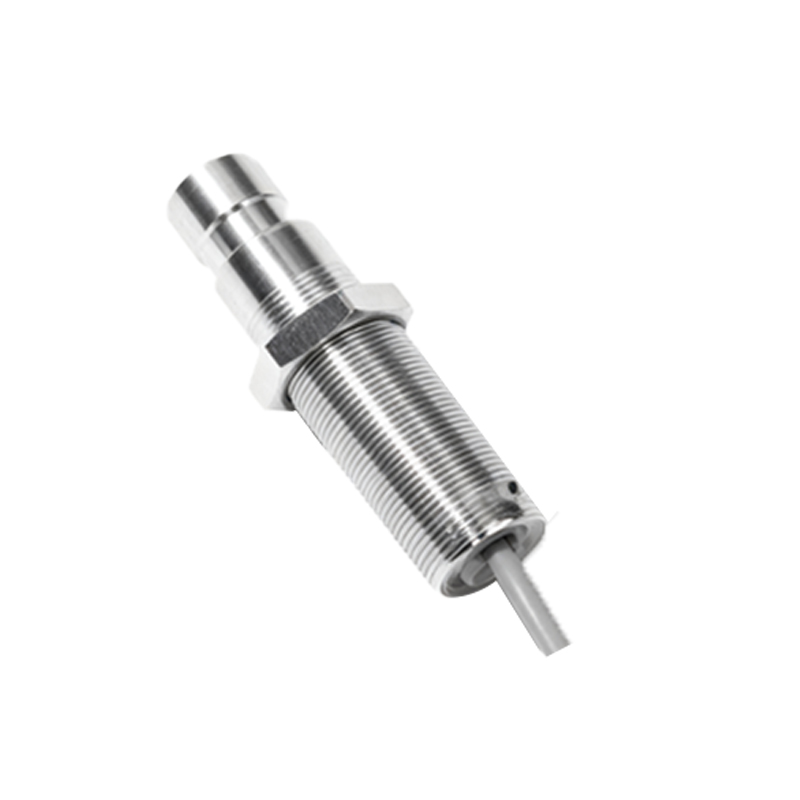
The rise of e-commerce has also transformed industrial purchasing. Major online marketplaces like Amazon Business and specialized platforms like AutomationDirect provide convenient comparison shopping, user reviews, and often competitive pricing. When buying online, especially from third-party sellers, verify that the seller is an authorized distributor to avoid counterfeit products. Counterfeit sensors may look identical but often fail prematurely, lack proper safety certifications, and can cause costly system downtime or safety hazards.
Before finalizing your purchase, consider the total cost of ownership, not just the unit price. Factor in lead times, especially for custom or less common models. Evaluate the supplier's technical support capability—can they answer application questions? Check the warranty terms and the availability of replacement parts. For large-scale or critical applications, requesting a sample to test in your actual working conditions is a highly recommended practice. This hands-on verification can prevent costly mistakes and ensure optimal performance.
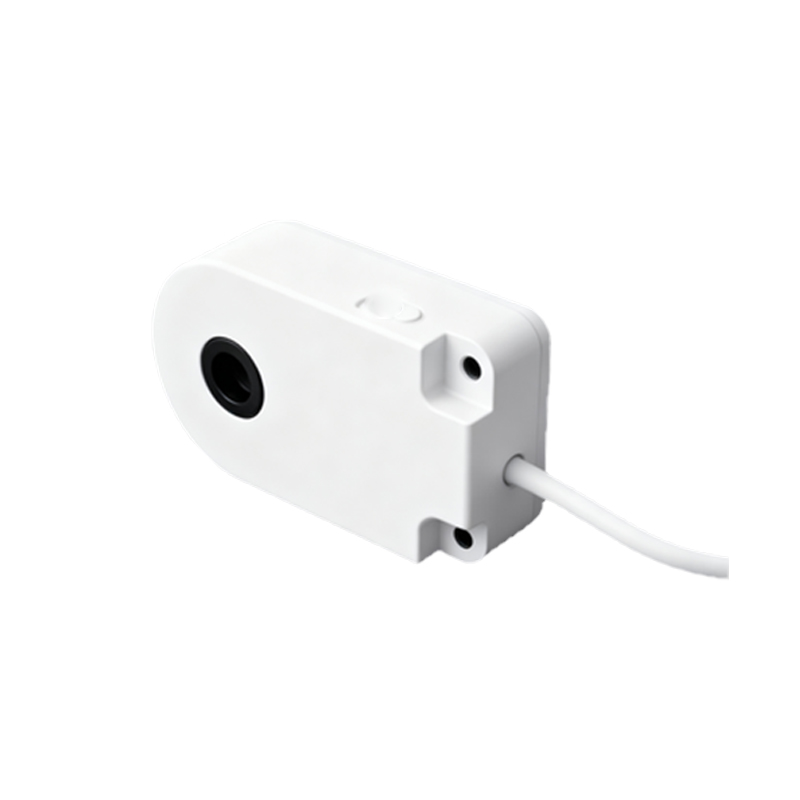
In conclusion, purchasing the right proximity sensor is a strategic decision that impacts operational reliability and productivity. By thoroughly understanding your application requirements, choosing the appropriate sensor technology and specifications, and partnering with a trustworthy supplier, you can secure a component that delivers precision, durability, and value. Whether you are upgrading an existing line or designing a new automated system, a well-chosen proximity sensor is a silent guardian of efficiency and quality.