Hot body proximity sensors represent a significant advancement in detection technology, designed to identify the presence of warm objects within a specified range without physical contact. These devices operate primarily by detecting infrared radiation emitted by objects with temperatures above absolute zero, making them highly effective in various industrial, security, and automation contexts. Unlike traditional sensors that rely on motion or physical interaction, hot body proximity sensors focus on thermal signatures, allowing for precise and reliable detection even in low-visibility conditions such as darkness, smoke, or fog.
The core mechanism of these sensors involves infrared (IR) detection. Objects emit infrared radiation proportional to their temperature, and sensors equipped with IR-sensitive elements, such as pyroelectric materials or thermopiles, capture this energy. When a warm object, like a human body or machinery, enters the detection zone, the sensor registers changes in infrared levels, triggering an output signal. This process is often enhanced with lenses or filters to narrow the field of view and reduce false alarms from ambient heat sources. Modern iterations incorporate digital signal processing to differentiate between target objects and background noise, improving accuracy in dynamic environments.
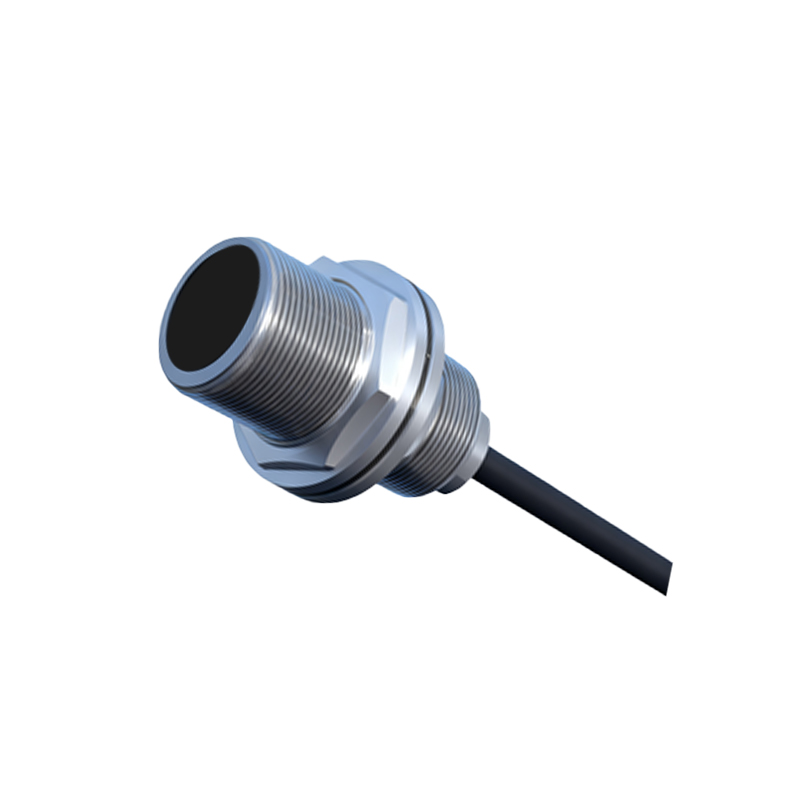
Applications of hot body proximity sensors are diverse and impactful. In industrial automation, they monitor equipment temperature to prevent overheating or detect human presence near hazardous machinery, enhancing safety protocols. Security systems utilize these sensors for intrusion detection, as they can identify warm-bodied intruders without being fooled by non-thermal stimuli like moving shadows. In smart buildings, they contribute to energy efficiency by controlling lighting and HVAC systems based on occupancy, reducing waste when spaces are unoccupied. Additionally, automotive industries integrate them into driver-assistance systems to alert for pedestrians or animals in low-light scenarios.
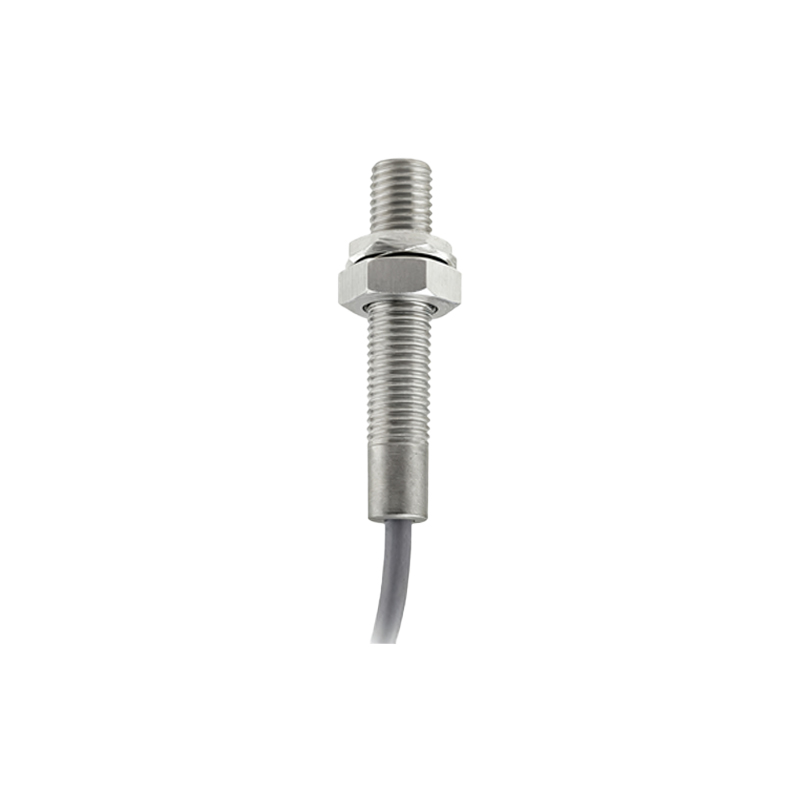
Advantages of this technology include non-invasive operation, which minimizes wear and tear, and adaptability to harsh conditions where other sensors might fail. They are also energy-efficient, often requiring low power for continuous monitoring. However, limitations exist, such as reduced effectiveness in extreme temperatures or with objects that have minimal thermal contrast with their surroundings. To address this, hybrid systems combine thermal detection with other sensor types, like ultrasonic or microwave, for comprehensive coverage.
Future trends point toward miniaturization and integration with IoT networks, enabling real-time data analytics and predictive maintenance. As materials science advances, sensors may become more sensitive and affordable, broadening their use in consumer electronics and healthcare. For instance, wearable devices could monitor body heat for health diagnostics, while smart home systems might automate tasks based on thermal presence.
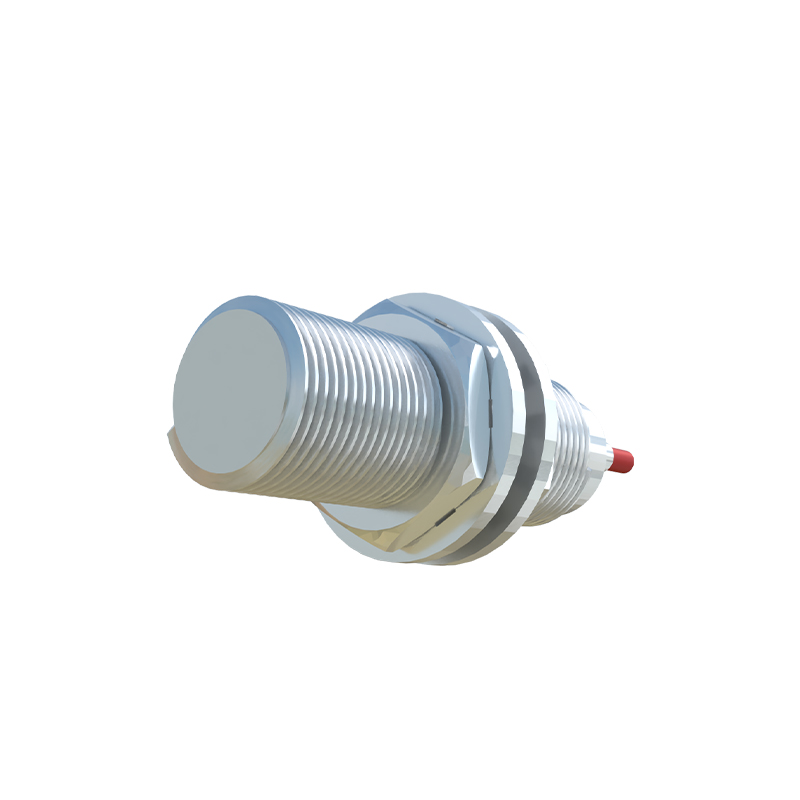
In summary, hot body proximity sensors offer a robust solution for detecting warm objects through infrared technology, with applications spanning safety, efficiency, and automation. Their ability to operate contactlessly and in challenging environments makes them a valuable tool in modern technological ecosystems, driving innovation across sectors. As research progresses, these sensors are poised to become even more integral to smart and responsive systems worldwide.