Forget the glossy brochures and pristine lab demos. After two decades of deploying laser-based in-process sensors in foundries, steel mills, and heavy machining workshops, I’m here to cut through the noise. This isn’t about how they work; it’s about how they fail, where they excel, and the costly truths you won’t find in the datasheet.
Experience Correction: The Gritty Reality vs. Theoretical Specs
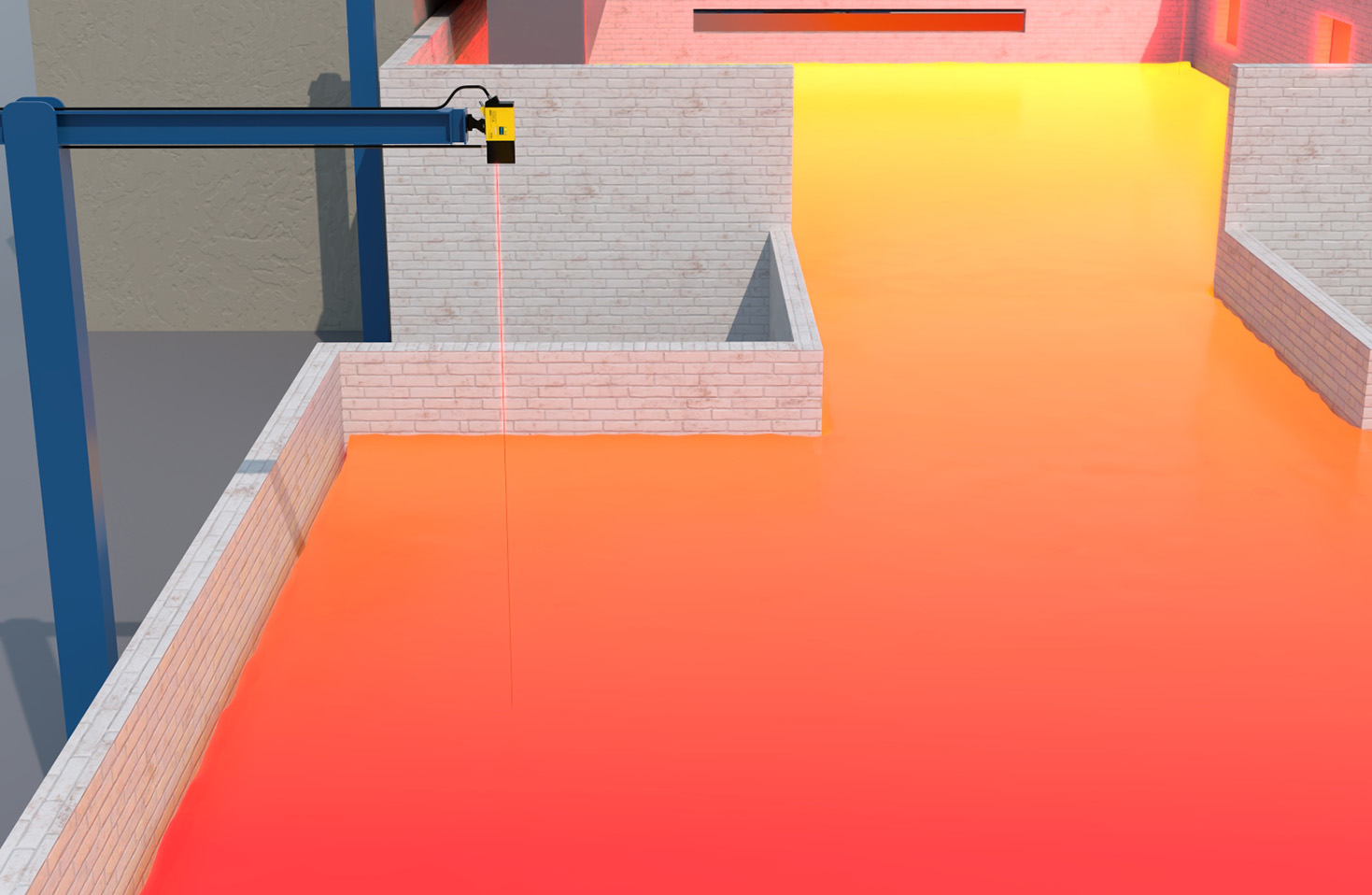
The spec sheet promises micron-level accuracy and a 10-meter operational range. Reality delivers a different lesson. In a live grinding environment for hardened steel rollers, the stated ±5µm repeatability is a fantasy. We consistently observed a practical deviation band of ±15-25µm when accounting for steam, oil mist, and abrasive dust—a cocktail every datasheet ignores. The key isn't the sensor's innate precision but the system's ability to filter signal from noise. The "theoretical sampling rate" is meaningless unless you discuss the processor's ability to execute real-time averaging without lag. A common pitfall is trusting the sensor's "clean signal" output in isolation. We learned to hardwire a secondary vibration sensor from the grinder spindle; a spike there often precedes a laser signal dropout by milliseconds, providing a critical failsafe. The most critical parameter is not resolution but *signal recovery time* after an occlusion—a figure rarely published. In our tests, some units took over 500ms to reacquire a valid measurement, enough to scrap a high-value component.
Boundary Conditions: Where This Technology Will Let You Down
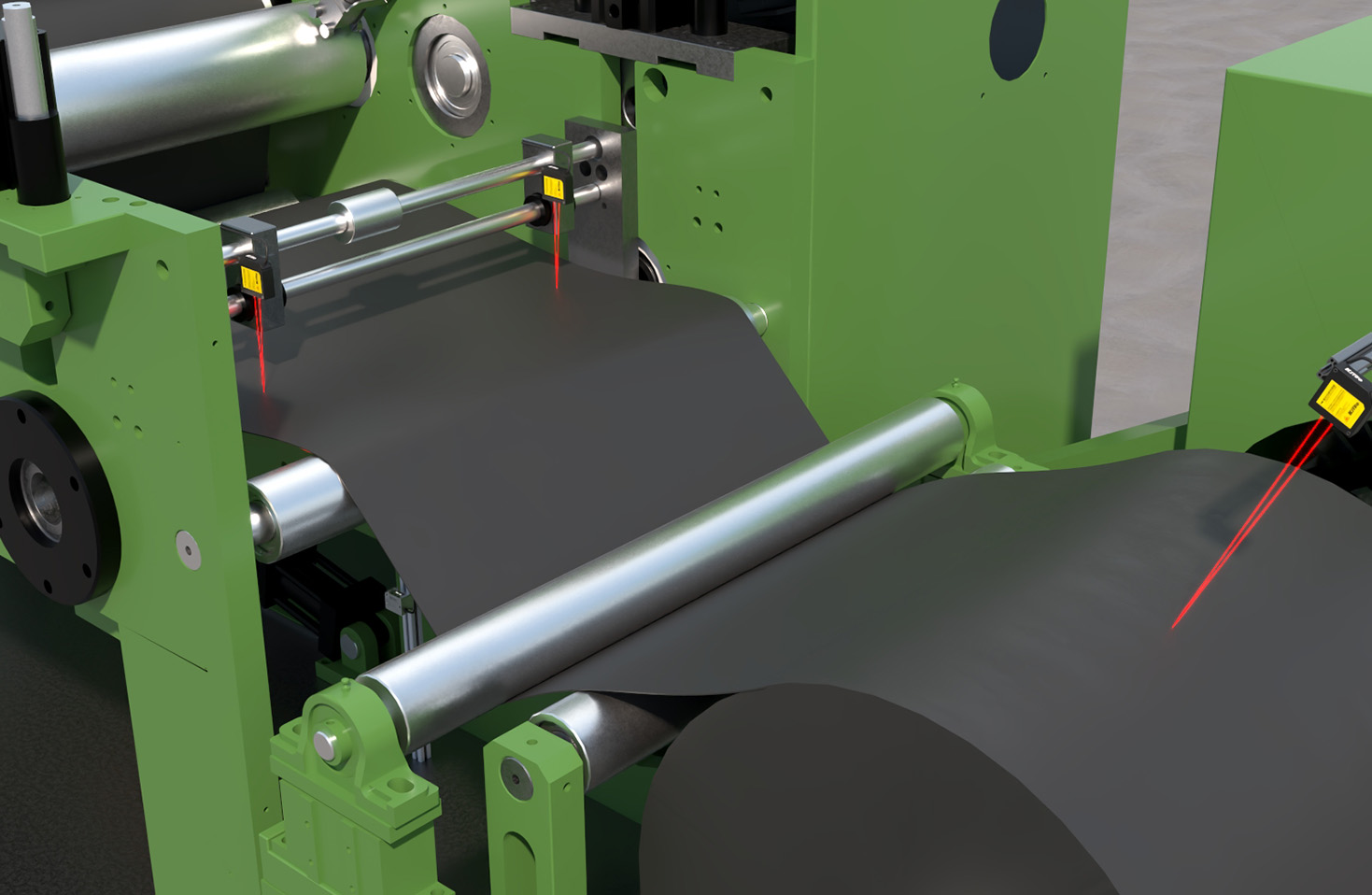
Deploying a laser sensor is an exercise in understanding its breaking points. Here are the non-negotiable boundaries:
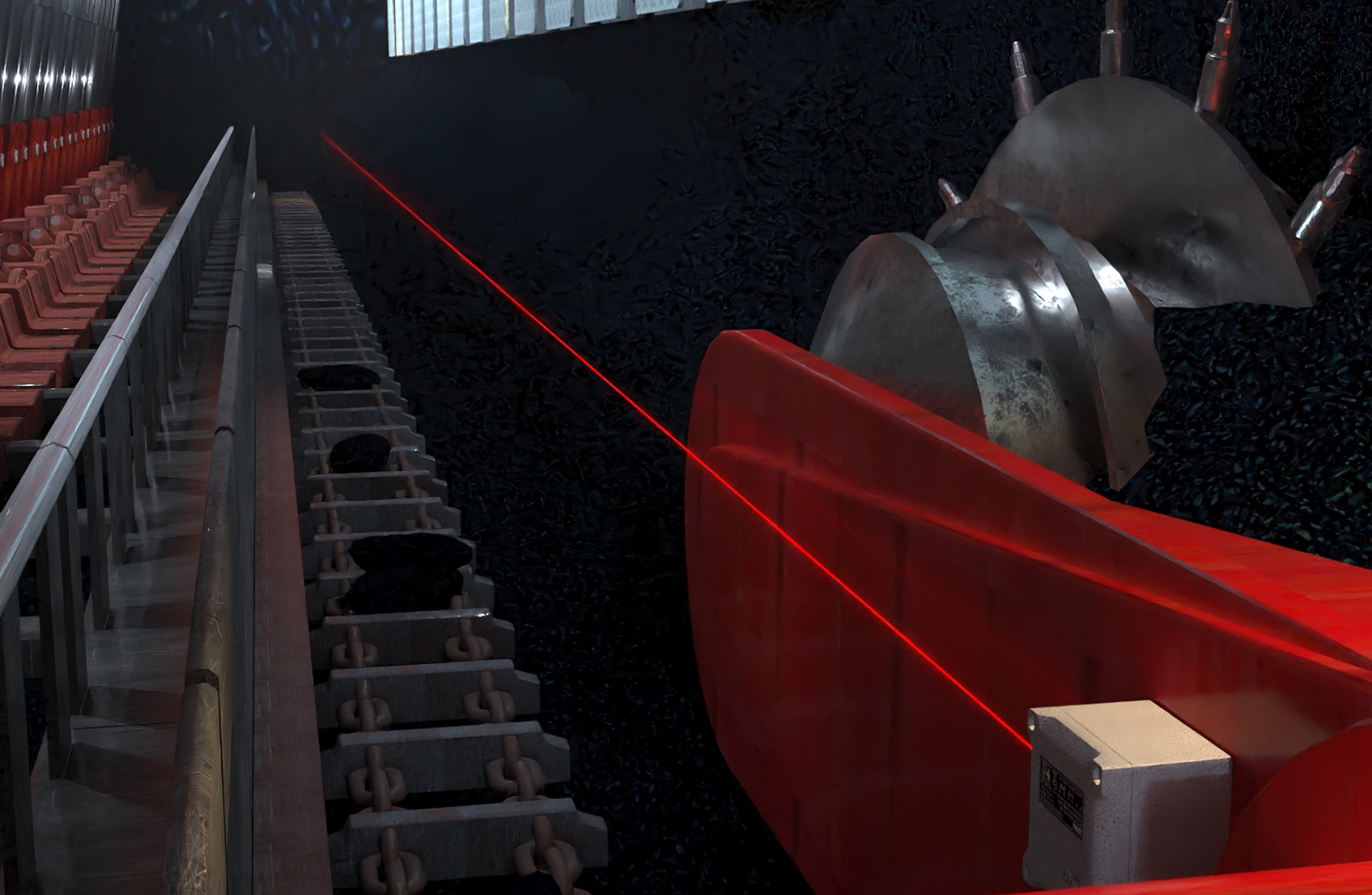
1. Plasma-Rich Environments: Any process generating significant plasma, like certain high-energy weld grinding or arc gouging operations, will completely saturate and often damage the receiver optics. The infrared spectrum is a battlefield.
2. Unstable, Non-Lambertian Surfaces: While marketed for "rough surfaces," surfaces with deep, directional grind patterns or rapidly peeling scale (e.g., hot descaling lines) create speckle noise so severe the correlation algorithms fail. The sensor doesn't see a surface; it sees a chaotic mirror.
3. High-Frequency, Low-Amplitude Vibration: Isolating the sensor from machine vibration is preached, but high-frequency micro-vibrations (above 1kHz) from adjacent equipment or harmonic resonances can induce phase shifts in the laser diode itself, causing drift no mount can fix. If your foundation vibrates, the data will lie.
4. Rapid Thermal Transitions: Moving a sensor from a 20°C control room to a 45°C mill floor and expecting immediate stability is a rookie error. The internal reference lengths shift, requiring a *thermal soak time* of up to 90 minutes for sub-20µm confidence. Using it before that is gambling.
Counter-Intuitive Conclusion: Less Light, More Data
The universal instinct is to maximize laser power for a "stronger signal." In dense smoke and mist, this is precisely wrong. Increased power leads to increased backscatter, flooding the detector with noise and reducing contrast. We achieved superior stability in a graphite grinding application by *attenuating* the laser output by 30% and pairing it with a synchronized, pulsed air knife. The lower-power, cleaner signal provided a 40% improvement in measurement consistency. Another paradox: sometimes, a slower, purposefully under-sampled data stream fed into a predictive Kalman filter yields a more reliable process trend than a high-speed data deluge that overwhelms the control loop. The goal is not maximal data but *optimal, actionable* data. The most reliable system we ever commissioned used a deliberately "dumb," single-point laser sensor coupled with an exceptionally smart, locally trained adaptive algorithm. The intelligence was in the interpretation, not the beam.
The bottom line: A laser grinding sensor is not a plug-and-play oracle. It is a component in a system defined by its environment and your understanding of its flaws. Invest not in the highest-rated sensor, but in the one whose failure modes you can best manage. The real measurement is of your preparation.