For two decades, I've watched engineers burn budgets on over-engineered sensors and fail projects with under-specified ones. The price list isn't just numbers; it's a map of hidden pitfalls and unadvertised capabilities. Forget the datasheet fluff. Let's talk about what happens when the rubber meets the road—or when it's covered in grinding swarf, hydraulic fluid, and vibration.
Experience Correction: The Gritty Reality vs. Laboratory Specs
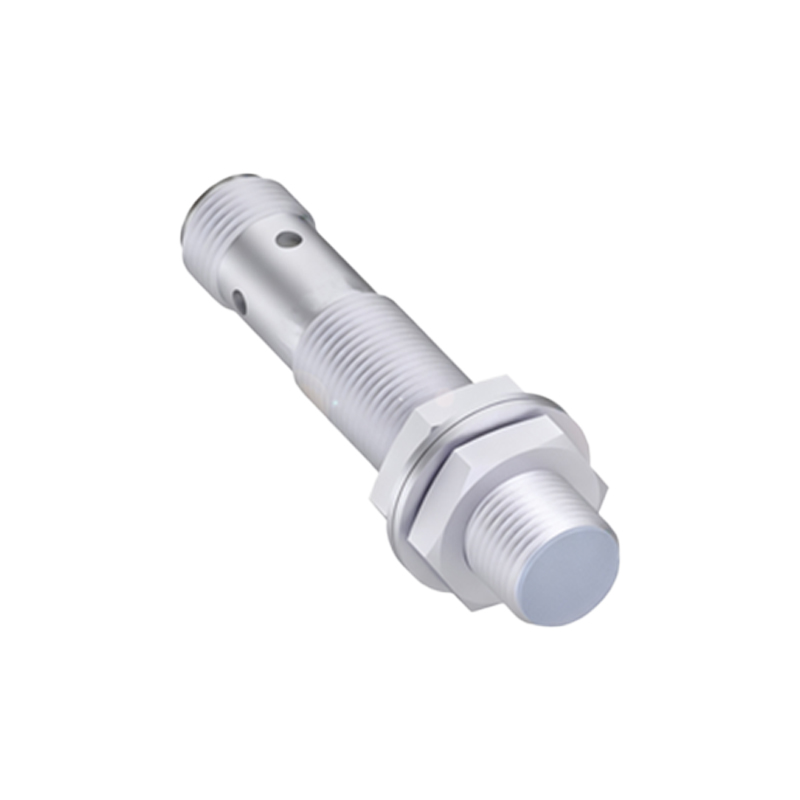
The biggest lie in proximity sensing is "repeat accuracy." A catalog states ±0.1mm. In a clean lab, it's true. Mount that same inductive sensor on a CNC machining center, and thermal drift from spindle heat will double that error by hour three. The coil winding epoxy's CTE is never in the spec. For ultrasonic sensors, the advertised sensing range assumes a 23°C, still-air environment. Place one in an automotive paint booth with 60°C air currents, and the sound wave refraction will cause a 15-20% sensing point drift. The takeaway? The mid-tier sensor from a brand with a fully characterized temperature compensation curve (look for a graph, not a single "operating temperature" number) will outperform the "high-accuracy" budget king in any real-world setting. Price correlates not to headline accuracy, but to the completeness of its environmental compensation data.
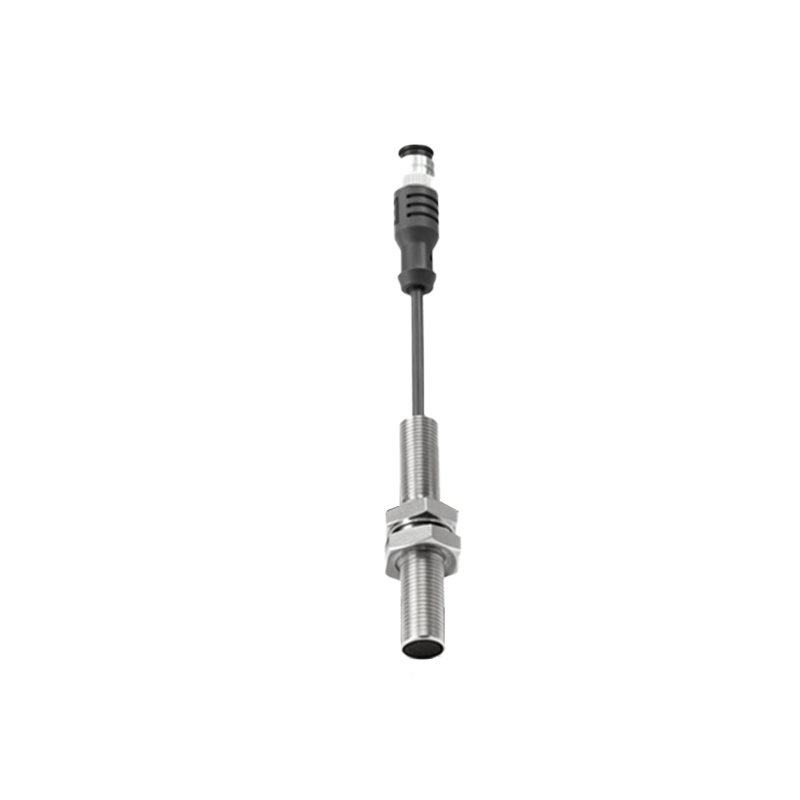
Boundary Conditions: Where Your Sensor Will Betray You
This is the critical, often omitted, buying criterion.
Capacitive Sensors (Mid-Price Range): They are marketed for material detection. They will fail catastrophically if the material's dielectric constant varies with moisture content. Detecting dry vs. damp paper pulp? Impossible. The signal drift will render it useless. Furthermore, any forming film (like thin condensation) on the sensing face becomes part of the baseline, killing sensitivity.
Magnetic Sensors (Low-Price Range): The affordable solution for cylinder piston detection? Only if you operate in a completely static magnetic environment. Stray fields from nearby high-current cabling or large motors will induce false triggers. I've seen a $15 sensor shut down a $50k assembly line because no one mapped the magnetic noise floor of the plant floor.
Laser TOF (Time-of-Fight) Sensors (Premium Price): The go-to for long-range, precise measurement. They become expensive paperweights in the presence of airborne particulates—dust, steam, oil mist. The laser scatters, and the return signal attenuates. In a packaging plant with paper dust, a robust ultrasonic sensor (despite its lower precision) at half the price will provide 99.9% uptime where the laser fails daily.
Counter-Intuitive Conclusion: The Cheap Sensor is Often the Most Expensive Component
The most profound cost isn't unit price; it's total cost of ownership (TCO). A $80 18mm stainless steel inductive sensor with IP69K rating and PEEK sensing face seems exorbitant compared to a $25 brass-bodied IP67 unit. But in a food & beverage washdown environment with caustic cleaners, the brass sensor will corrode and fail within 6-12 months, causing downtime, product loss, and emergency replacement labor. The premium sensor lasts 5+ years. The math is brutal: the "cheap" option's 5-year TCO is 5x($25 + $500 downtime) = $2,625. The "expensive" option: $80 + negligible downtime = $80. The industry's open secret: the sweet spot for 90% of industrial applications is not the entry-level, but the robustified mid-tier—the one with superior sealing, better EMI immunity, and a connector that isn't an afterthought. This tier, often 30-50% more than base price, delivers 300% more lifespan. You're not paying for detection; you're paying for resilience. The price classification, therefore, is best understood as a "resilience gradient," not a "performance gradient." Buy for the failure mode you can least afford, not the nominal operating condition.