Proximity sensors are fundamental components in modern industrial automation, providing non-contact detection of objects. A short circuit within these sensors or their associated wiring is a common yet potentially serious fault that can lead to system downtime, inaccurate readings, or even damage to the sensor and connected control systems. Understanding the nature, causes, and remedies for a short circuit is crucial for maintenance personnel and system designers.
A short circuit, in the context of proximity sensors, typically refers to an unintended low-resistance connection between two points in an electrical circuit that are supposed to be at different voltages. This most often occurs between the power supply lines (V+ and V-) or between a signal output line and either power rail. The result is a sudden surge of current that can overwhelm the sensor's internal electronics, trigger protective fuses or circuit breakers, and cause the sensor to fail or behave erratically.
Several factors can lead to a short circuit in proximity sensor applications. Physical damage is a primary culprit. Insulation on connecting cables can be compromised due to abrasion, pinch points, exposure to sharp metal edges, or excessive heat. In harsh industrial environments, chemical corrosion or moisture ingress can degrade insulation and create conductive paths between wires. Incorrect wiring during installation or maintenance, such as loose strands of wire touching adjacent terminals, is another frequent cause. Internally, sensor failure might be due to component breakdown, often from voltage spikes or sustained overcurrent conditions, which can create a short within the sensor's housing.
Diagnosing a short circuit requires a systematic approach. The first indicator is often the failure of the sensor to operate, accompanied by a tripped fuse or a fault indication on the Programmable Logic Controller (PLC). Using a digital multimeter is the standard diagnostic tool. With the sensor's power disconnected, technicians should check for continuity between the different wires. There should be no continuity (infinite resistance) between the positive supply wire and the negative/common wire, or between the output wire and either supply wire under normal conditions. A reading of very low resistance (near zero ohms) confirms a short. Visual inspection along the entire cable run and at connection points is equally important to identify physical damage or contamination.
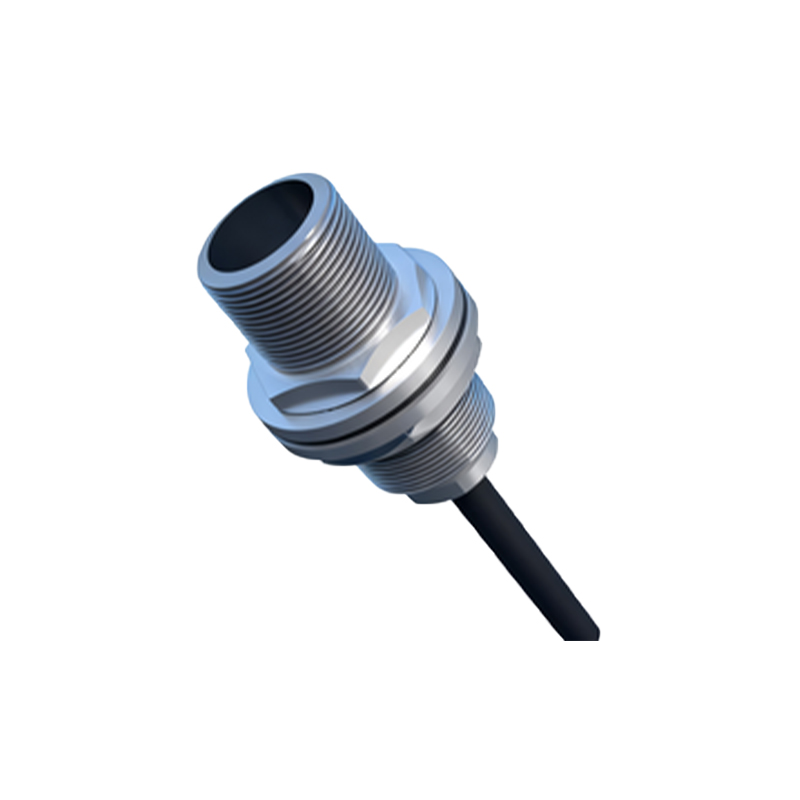
Preventing short circuits is more effective than repairing them. Proper installation is the first line of defense. Cables should be routed away from moving parts, sharp edges, and high-temperature zones using conduits, cable carriers, or protective sleeving where necessary. All connections should be secure, with wires properly trimmed and terminated to prevent stray strands. Selecting sensors with an appropriate Ingress Protection (IP) rating for the environment (e.g., IP67 for washdown areas) prevents moisture and particulate ingress. Implementing protective measures such as surge suppressors on inductive loads or using isolated power supplies can shield sensors from voltage transients. Regular preventive maintenance, including visual inspections and checking insulation integrity, helps identify potential issues before they cause a failure.
When a short circuit is confirmed, the remedy depends on the fault location. If the short is in the cable, the damaged section must be repaired or, more commonly, the entire cable replaced. If the short is internal to the sensor body, the sensor itself typically requires replacement, as internal repairs are seldom cost-effective. After repair, it is critical to re-check the circuit for proper insulation resistance before reapplying power to prevent immediate re-failure.
In summary, a short circuit in a proximity sensor system is an electrical fault with clear causes rooted in physical damage, environmental factors, or human error. Through careful installation, environmental protection, and routine maintenance, the risk of such faults can be significantly minimized. When they do occur, a logical diagnostic procedure using a multimeter and visual checks allows for quick identification and resolution, restoring system reliability and preventing costly operational interruptions.