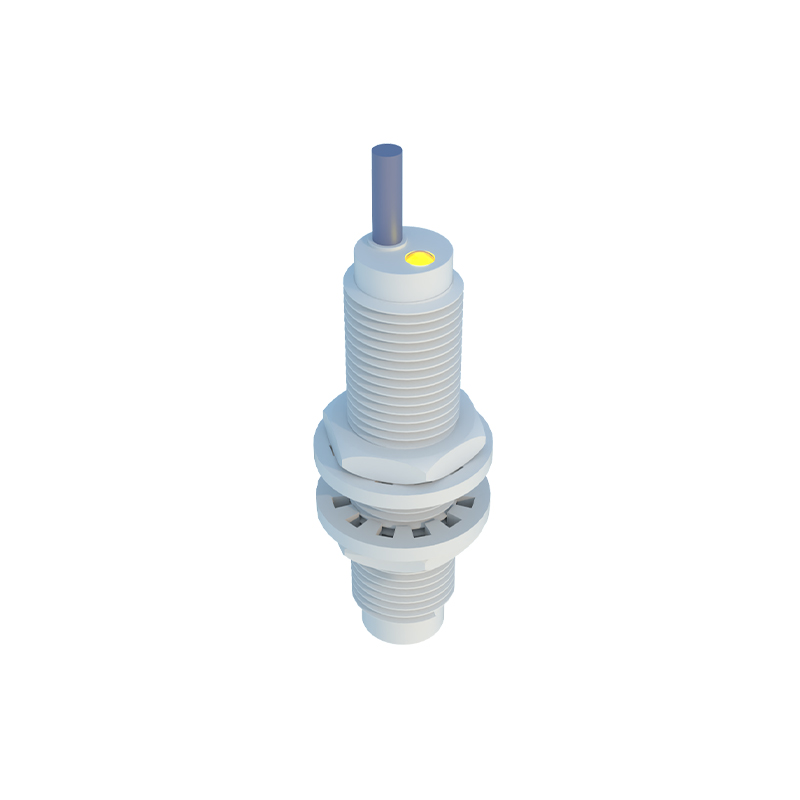
In today's highly automated industrial landscape, proximity sensors have become indispensable components. These non-contact devices detect the presence or absence of objects with remarkable precision, driving efficiency in manufacturing, packaging, robotics, and automotive assembly. When sourcing these critical components, understanding the pricing structure for high-quality proximity sensors is paramount for making cost-effective procurement decisions without compromising on performance or reliability.
The price of a premium proximity sensor is not a single figure but a spectrum influenced by a confluence of technical and market factors. At the core, the sensing technology dictates a significant portion of the cost. Inductive sensors, known for detecting metallic objects, generally offer a cost-effective solution for standard metal detection tasks. Capacitive sensors, capable of sensing both metallic and non-metallic materials like liquids or plastics, often come at a moderate price point. For longer ranges or specific material requirements, ultrasonic and photoelectric sensors represent a higher investment tier. Within each category, enhanced features such as extended sensing ranges (e.g., 15mm vs 40mm), higher switching frequencies, or exceptional resistance to environmental factors like extreme temperatures, washdowns (IP67/IP69K ratings), or chemical exposure will elevate the price.
Build quality and materials are equally critical. Sensors housed in robust stainless-steel casings, equipped with high-grade sensing faces, and featuring premium cabling or advanced connectivity options (IO-Link, analog outputs) inherently cost more than their basic plastic-housed counterparts. The reputation and support services of the manufacturer also weigh heavily. Established brands like Sick, Omron, Pepperl+Fuchs, and Balluff command a price premium, justified by rigorous testing, global certification (CE, UL), extensive R&D, reliable warranties, and readily available technical support. A generic or lesser-known brand might offer a lower upfront cost but could pose risks in terms of long-term reliability, consistency, and replacement part availability.
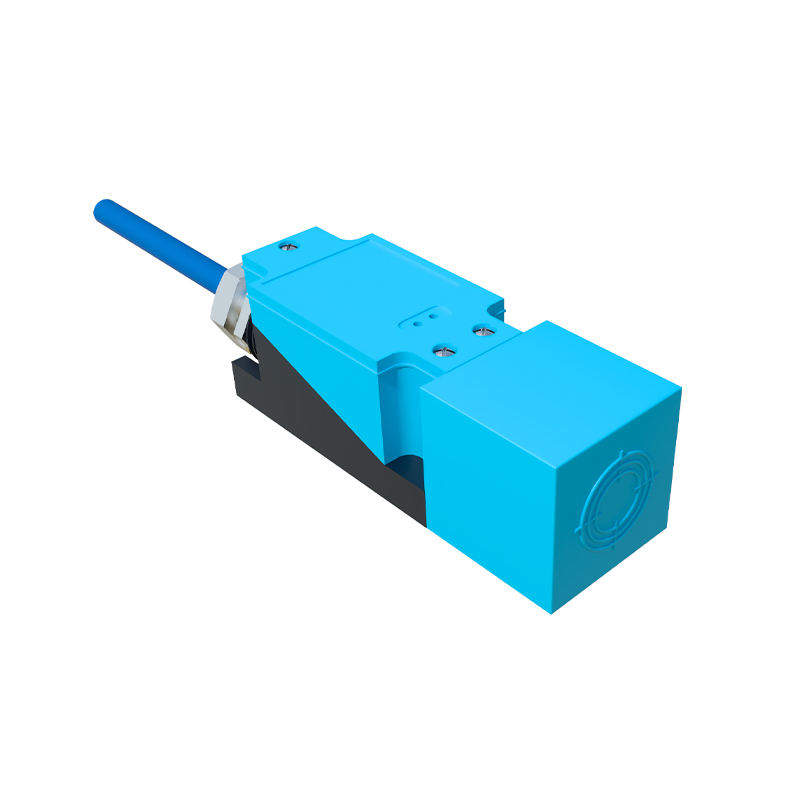
Currently, the global market for industrial sensors is both competitive and dynamic. For a standard, high-quality inductive proximity sensor with a standard range and housing, prices can range from approximately $25 to $80 per unit. More sophisticated models, such as long-range cylindrical sensors, factor-1 capacitive sensors for level detection, or specialized analog-output variants, can range from $80 to $250 or more. It is crucial to note that list prices are often a starting point. Volume purchasing remains the most powerful lever for cost reduction. Orders for hundreds or thousands of units can attract substantial discounts from distributors or manufacturers. Furthermore, partnering with a trusted distributor can provide access to better pricing tiers, stock availability, and valuable application engineering advice that prevents costly misapplication.
Beyond the initial purchase price, a true cost analysis must consider the Total Cost of Ownership (TCO). A marginally cheaper sensor that fails prematurely can lead to exorbitant costs from unplanned downtime, production losses, and emergency replacement fees. A high-quality sensor, with its superior mean time between failures (MTBF), ensures continuous operation, reduces maintenance interventions, and safeguards production throughput. Therefore, the optimal procurement strategy involves a careful balance: specifying the exact technical requirements needed for the application to avoid over-engineering, sourcing from reputable suppliers with proven track records, and negotiating based on projected annual volumes. By focusing on value—where performance, durability, and lifecycle cost are evaluated alongside the price tag—businesses can secure the high-quality proximity sensors that form the reliable backbone of their automated systems, ensuring productivity and a strong return on investment.