In industrial automation and machinery design, the precise and reliable detection of object presence, position, or movement is paramount. Proximity sensors, being non-contact devices, are fundamental components in achieving this. However, their effectiveness is heavily dependent on one often-overlooked element: the mounting bracket. A proximity sensor mounting bracket is far more than a simple piece of metal; it is a critical interface that ensures optimal sensor performance, longevity, and system accuracy.
The primary function of a mounting bracket is to provide a secure, stable, and repeatable mounting point for the sensor. Vibration is a common enemy in industrial environments. A poorly mounted sensor can experience micro-movements that lead to inconsistent sensing distances, false triggers, or even physical damage. A robust bracket, correctly fastened to a solid surface, dampens these vibrations and holds the sensor firmly in its designated position. This stability is non-negotiable for processes requiring high precision, such as in robotic assembly or CNC machining.
Beyond stability, the bracket dictates the sensor's orientation and sensing distance. The sensing characteristics of inductive, capacitive, or ultrasonic proximity sensors are highly directional. The bracket must allow for precise adjustment to align the sensor's active face perfectly with the target object. Many brackets are designed with slotted holes or adjustable arms, enabling fine-tuning of the sensor's position during installation and commissioning. This adjustability is crucial for compensating for mechanical tolerances in machinery or for setting up specific detection thresholds.
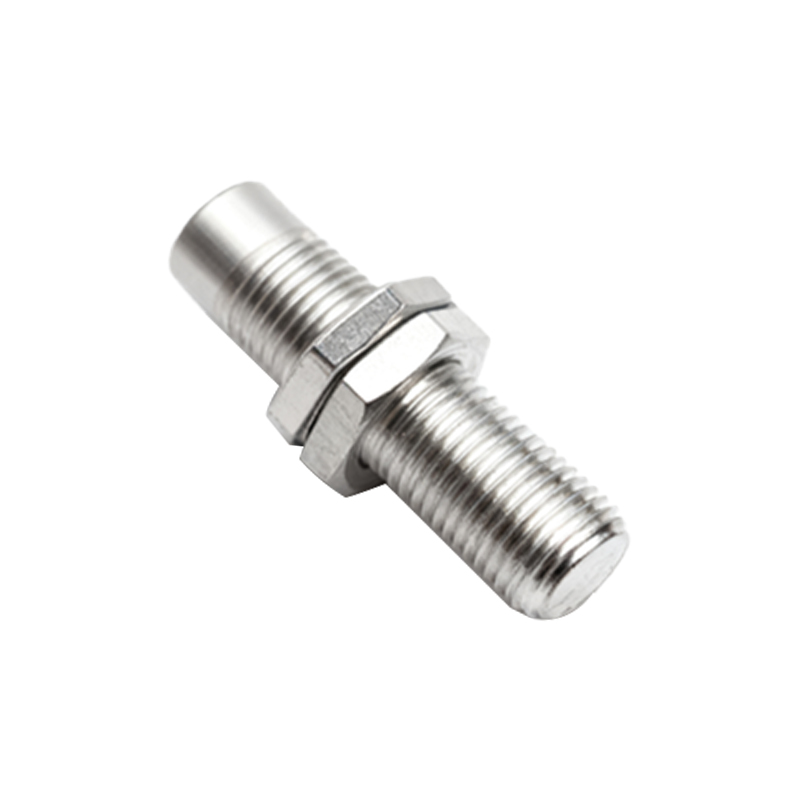
Material selection for the bracket is another vital consideration. In most industrial settings, brackets are manufactured from materials like zinc-plated steel, stainless steel, or aluminum. The choice depends on the environment. Stainless steel offers superior corrosion resistance for washdown areas in food and beverage or pharmaceutical applications. Aluminum provides a good balance of strength and weight for moving parts or gantries. Using a bracket material incompatible with the environment can lead to rust, degradation, and eventual failure of the entire mounting assembly.
The design of the bracket also plays a role in protecting the sensor. Some brackets feature shrouds or extended lips that help shield the sensor's body from physical impact, flying debris, or direct splashes of coolant. While not a substitute for a sensor with an appropriate IP (Ingress Protection) rating, a well-designed bracket adds an extra layer of mechanical defense, extending the sensor's operational life.
Installation best practices begin with selecting the correct bracket model for the specific sensor family and housing size. Manufacturers typically offer dedicated brackets for their sensor lines, ensuring a perfect fit. The mounting surface should be clean, flat, and sturdy. When tightening the fasteners, it is important to follow the manufacturer's torque specifications to avoid distorting the sensor housing or the bracket itself. After mounting, the sensor's position should be verified and adjusted while testing with the actual target object under normal operating conditions. Locking mechanisms, such as locknuts on threaded-body sensors or set screws on adjustable arms, should then be securely fastened to prevent any drift over time.
In summary, neglecting the selection and installation of the proximity sensor mounting bracket can undermine the performance of an otherwise excellent sensing system. It is the foundation for reliability. By choosing a bracket with the right material, design, and adjustability features, and by following proper installation procedures, engineers and maintenance personnel can ensure consistent detection, reduce downtime due to sensor issues, and maximize the return on investment in automation technology. The bracket, though small, is a decisive component in the seamless and reliable operation of modern industrial equipment.