For two decades, I've watched proximity sensors fail in ways the manuals never mention. The glossy datasheet promises a 10mm sensing range, a 10-30VDC operating window, and an IP67 rating. Reality, on a vibrating conveyor belt caked with metallic dust or in a paint booth with solvent mist, delivers a different curriculum. This is not a primer. This is a dispatch from the field.
Experience Correction: The Gaps Between Spec and Reality
The core theoretical parameter—sensing distance—is a clean-room fantasy. In practice, inductive sensors facing 304 stainless steel will see their effective range drop by up to 40% compared to mild steel. The datasheet rarely tells you that. Temperature derating is another silent killer. A sensor rated for -25°C to 70°C might technically function at 70°C, but its oscillator stability degrades, causing intermittent detection failures long before the thermal shutdown. I've documented a 15% reduction in repeatability accuracy at sustained 65°C ambient temperature versus 25°C. Vibration is the stealth adversary. A sensor with a 30G shock rating can survive a drop, but high-frequency, low-amplitude vibration—common in stamping presses or compressor stations—can cause internal ferrite core microfractures. The symptom isn't sudden death; it's a gradual, inexplicable drift in the switching point over 6-9 months, leading to phantom signals and production line ghosts.
Boundary Conditions: When to Walk Away
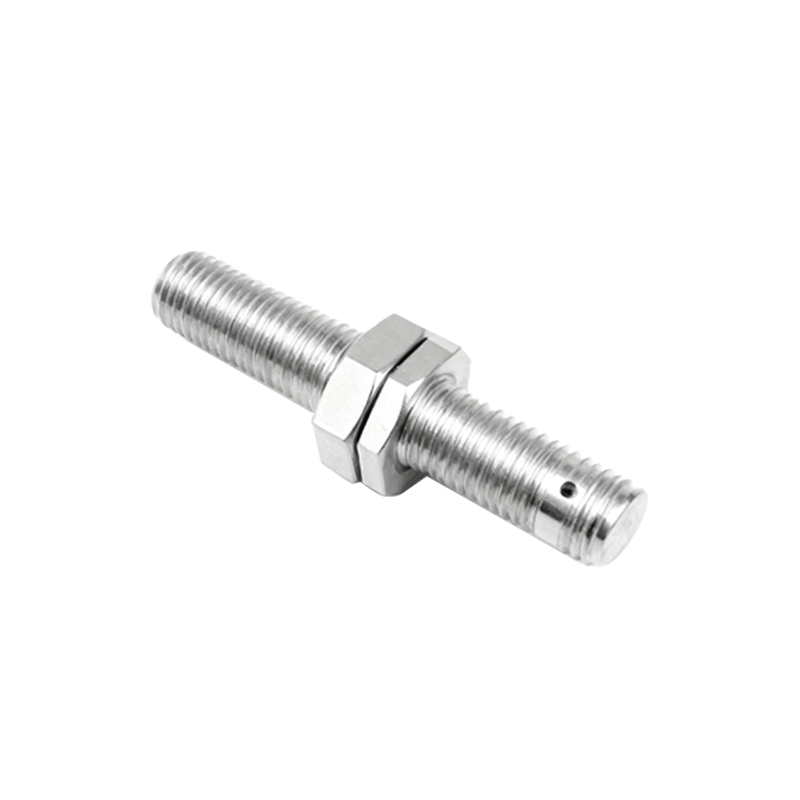
Knowing when not to use a standard inductive or capacitive proximity sensor is more critical than selecting one. Here are the red zones:
1. Conductive Contaminants: Any environment with airborne conductive particles—graphite powder, certain metal grinding swarf, carbon black—is a hard no for standard inductive sensors. These particles can form a weakly conductive bridge across the sensor face, effectively "short-circuiting" the electromagnetic field, causing permanent false triggering or sensor lock-up. No amount of IP rating protects against this.
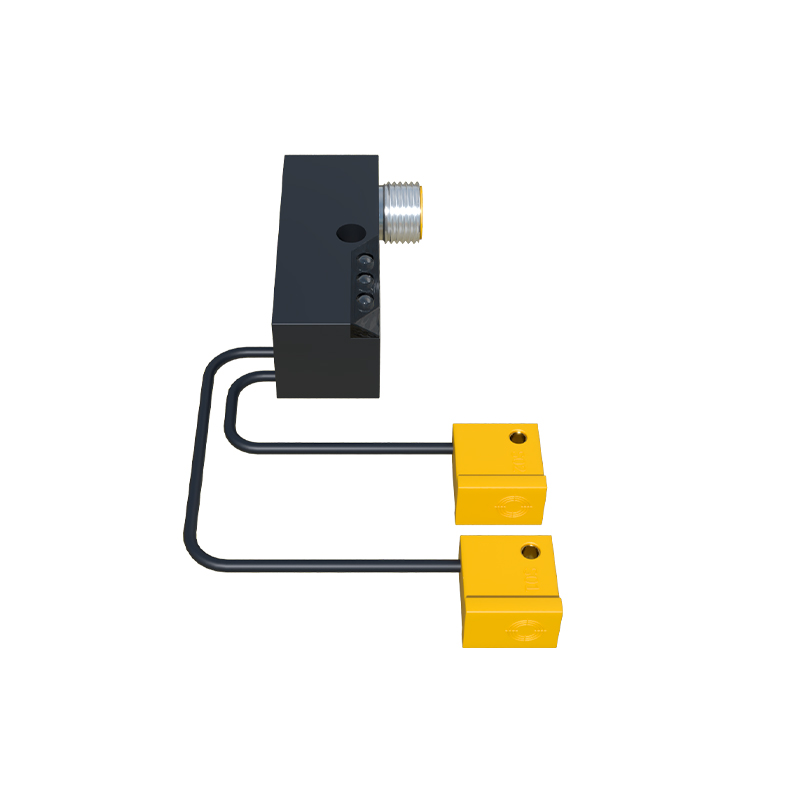
2. High-Speed Non-Ferrous Targets: Detecting aluminum cans or copper tabs at speeds exceeding 1kHz? Forget standard AC/DC 2-wire sensors. Their inherent switching delay (often 1-3ms) and residual leakage current create a dead zone. You'll miss counts. The solution isn't a "faster" standard sensor; it requires a specialized, low-latency DC 3-wire design with near-zero leakage.
3. Extreme Electromagnetic Interference (EMI): Near large variable frequency drives (VFDs) or arc welders, the EMI isn't just noise; it's a disruptive field that can couple directly into the sensor's oscillator circuit. Shielding helps, but in my trials, placing a standard unshielded inductive sensor within 50cm of a 100HP VFD's power cables led to a 100% failure rate within 72 hours. The failure mode is often a cooked oscillator transistor, not a resettable fault.
4. Thin-Film or Foil Detection: Need to detect 0.05mm aluminum foil? A standard capacitive sensor will trigger, but so will the humidity change from an operator walking by. This application sits at the physical limit. The boundary condition here is environmental stability. If your plant's ambient humidity varies by more than ±15% RH daily, consistent reliable detection is impossible without a hermetically sealed, temperature-compensated chamber around the sensing zone.
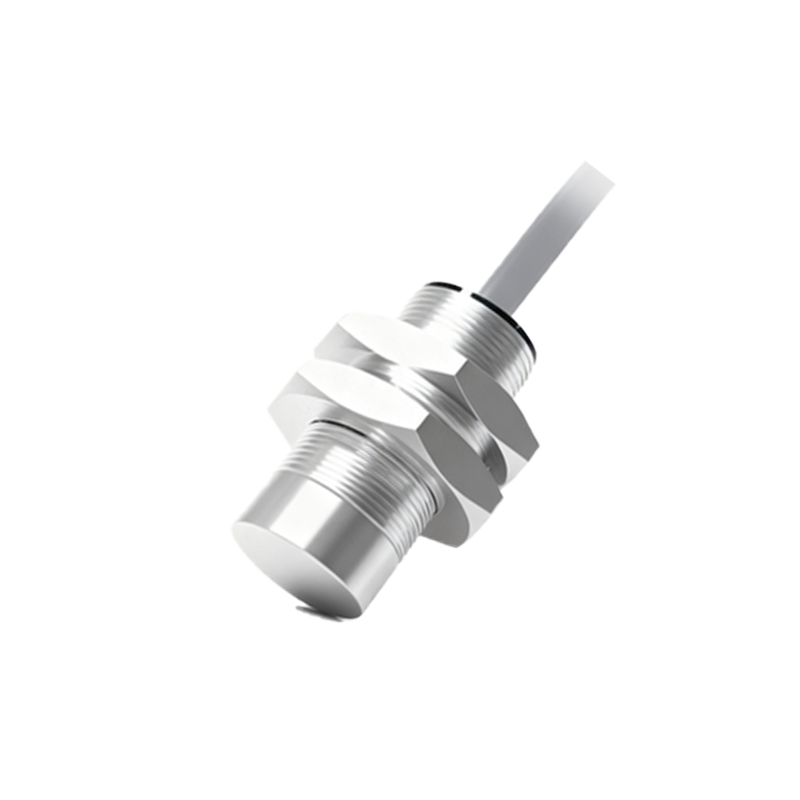
Counterintuitive Conclusions: Data-Driven Insights That Defy Common Sense
1. Sometimes, a "Lower" IP Rating is More Reliable. In constant washdown (IP69K) environments, the ultra-tight seals that keep water out also trap condensation internally if the sensor experiences thermal cycling. I've seen more IP69K sensors fail from internal corrosion due to trapped moisture than IP67 sensors in the same duty. For cycles of washdown followed by dry operation, an IP67 sensor with a breathable Gore-Tex vent patch often outlasts a hermetically sealed IP69K unit by a factor of two.
2. Increased Sensing Distance Can Decrease System Reliability. Engineers often specify a sensor with a 20mm range for a 10mm application for "safety margin." This is a critical error. The sensor's electromagnetic field extends further, making it susceptible to detecting the machine frame, passing forklifts, or other background metal. This creates a noisy electrical environment and increases the risk of false triggers. The most stable installations use a sensor where the nominal sensing distance is 1.2 to 1.5 times the actual target distance—no more.
3. The