In the world of industrial automation and control systems, proximity sensors are indispensable components for detecting the presence or absence of objects without physical contact. Among the various wiring configurations available, the two-wire proximity sensor stands out for its simplicity and widespread use. This guide delves into the operational principles, key characteristics, advantages, and typical applications of these fundamental devices.
Unlike their three-wire or four-wire counterparts, a two-wire proximity sensor integrates directly into the power supply circuit of the load it controls, such as a relay coil, programmable logic controller (PLC) input, or a small indicator lamp. This design eliminates the need for a separate output wire. The sensor itself acts as a variable resistance or a switching element within the circuit. In its normal state (no target detected), a small leakage current, often called the off-state current or residual current, flows through the sensor to power its internal electronics. This current is low enough to keep the connected load in an inactive state. When a target enters the sensor's detection range, the internal circuitry switches, significantly reducing its resistance. This allows the full load current to flow, thereby activating the connected device.
This operational principle leads to several defining characteristics. First and foremost is the inherent simplicity of installation and wiring. With only two wires to connect—typically brown for positive/L+ and blue for negative/L—the installation process is faster, reduces potential wiring errors, and lowers material costs by using less cable and fewer terminals. This makes them particularly attractive for large-scale installations with numerous sensing points. Secondly, two-wire sensors are generally known for their robust construction and compatibility with both AC and DC power supplies in many models, offering flexibility in various electrical environments.
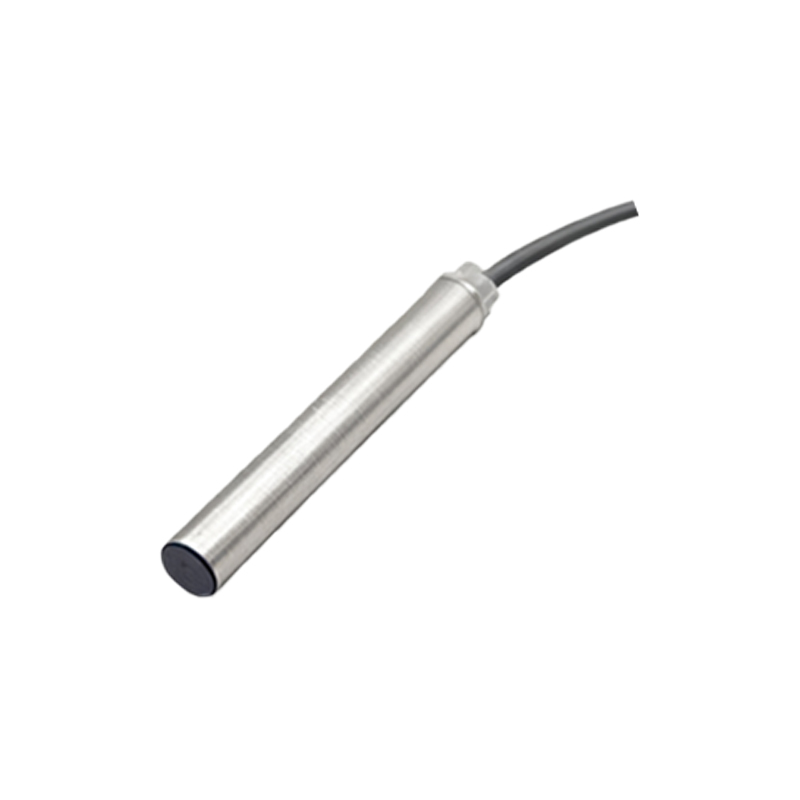
However, this simplicity comes with specific considerations. The primary consideration is the voltage drop across the sensor. Since the sensor is in series with the load, a portion of the supply voltage is dropped across it. This must be accounted for to ensure the load receives sufficient voltage to operate reliably. Manufacturers specify minimum operating voltages for the load. Furthermore, the off-state leakage current mentioned earlier is critical. If this current is too high for a highly sensitive control input (like some PLC digital inputs), it may be misinterpreted as an "ON" signal, causing a malfunction. It is essential to verify that the sensor's leakage current is below the threshold of the connected load's "OFF-state" current requirement. Lastly, two-wire sensors often have slightly lower switching speeds and current-carrying capacities compared to three-wire DC sensors, making them more suitable for standard relay and PLC input applications rather than high-speed or high-power circuits.
The advantages of two-wire proximity sensors make them the go-to choice for numerous applications. Their cost-effectiveness and wiring simplicity are paramount in control panels, conveyor systems, and packaging machinery where dozens of sensors are deployed. They are extensively used to detect the position of machine parts, such as cylinders (via sensing of the piston magnet), doors, or guards. In material handling, they count objects on a line or detect the presence of boxes, bottles, or pallets. Their robust AC/DC variants are common in environments with traditional relay logic controls.
When selecting and installing a two-wire sensor, attention to detail ensures optimal performance. Always consult the manufacturer's datasheet to match the sensor's specifications—such as supply voltage range, switching current capacity, leakage current, and voltage drop—with the requirements of the load and the main power supply. Ensure proper grounding of metallic sensor bodies when installed in metal surfaces to prevent electrical interference. For inductive sensors (the most common type for metal detection), be mindful of the sensing distance and the material influence factor for different metals.
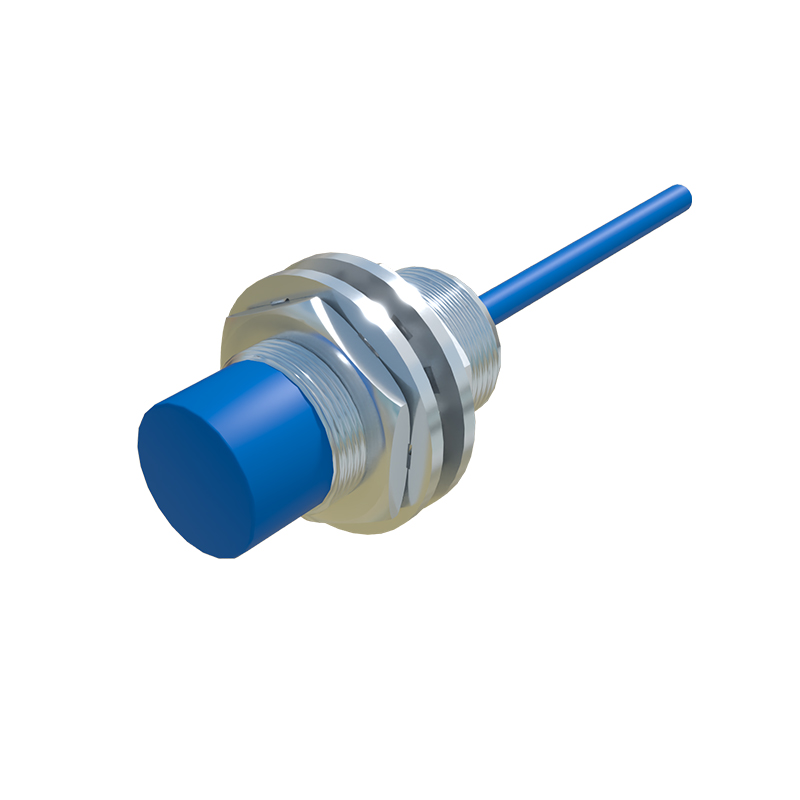
In conclusion, the two-wire proximity sensor remains a cornerstone of industrial sensing due to its elegant simplicity, reliability, and economic benefits. By understanding its working principle—functioning as a series-connected switch with inherent leakage current—engineers and technicians can effectively deploy these sensors across a vast array of automation tasks. While not suited for every high-performance niche, their role in streamlining wiring, reducing costs, and providing dependable object detection in standard control circuits is undeniable. Proper selection based on electrical characteristics ensures they perform seamlessly as the silent, watchful sentinels on the factory floor.