In the world of industrial automation and machinery, the reliable detection of objects is paramount. Among the various sensing technologies available, aluminum plate proximity sensors stand out for their unique construction and specific advantages. Unlike standard inductive proximity sensors housed in plastic or stainless steel, these sensors feature a distinctive sensing face made from an aluminum plate. This design choice is not merely aesthetic; it serves critical functional purposes in demanding environments.
The core operating principle remains based on electromagnetic induction. The sensor generates an oscillating electromagnetic field from its coil. When a metallic target enters this field, eddy currents are induced on the target's surface. This causes a change in the oscillation amplitude within the sensor, which is detected by its internal circuitry, triggering a solid-state output signal. The key differentiator lies in the "window" or sensing face. Here, a plate of aluminum is used instead of other materials. Aluminum is a non-ferrous metal, meaning it is not magnetic like iron or steel. This property is ingeniously utilized. The aluminum plate acts as a shield or cover that is transparent to the sensor's own high-frequency field but provides excellent physical and environmental protection.
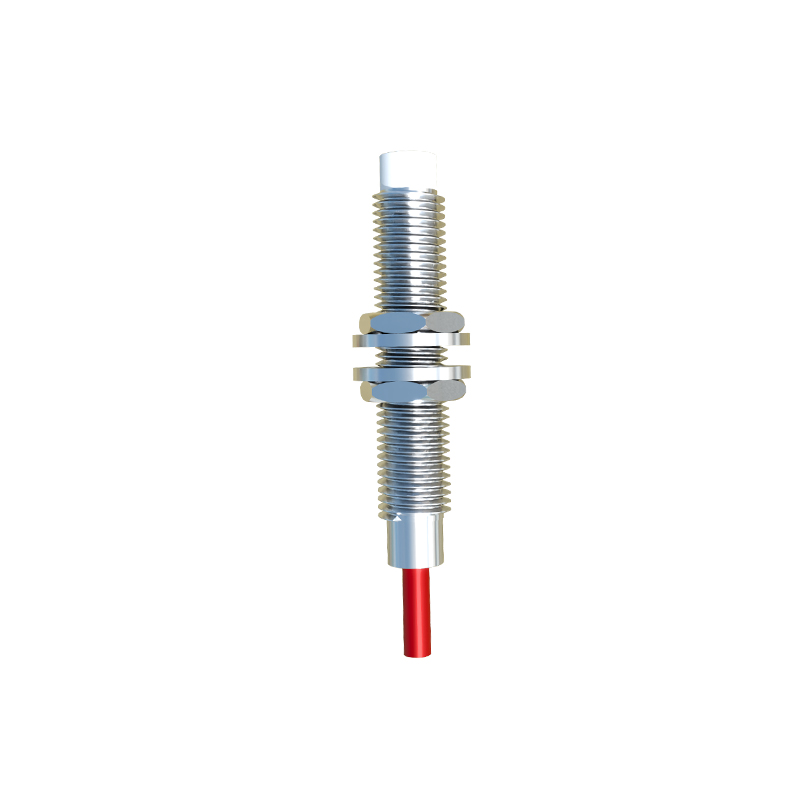
The primary benefits of this aluminum plate design are substantial. First and foremost is enhanced durability. The aluminum face offers superior resistance to physical abrasion, scratches, and impacts compared to standard plastic-faced sensors. In applications where the sensor might be subject to incidental contact with tools, conveyed parts, or debris, the aluminum plate maintains integrity. Secondly, it provides improved chemical resistance. Aluminum exhibits good resistance to many oils, coolants, and mild industrial chemicals that could degrade plastic housings over time. This makes these sensors suitable for machine tool environments, CNC machining centers, and automated production lines where cutting fluids are present.
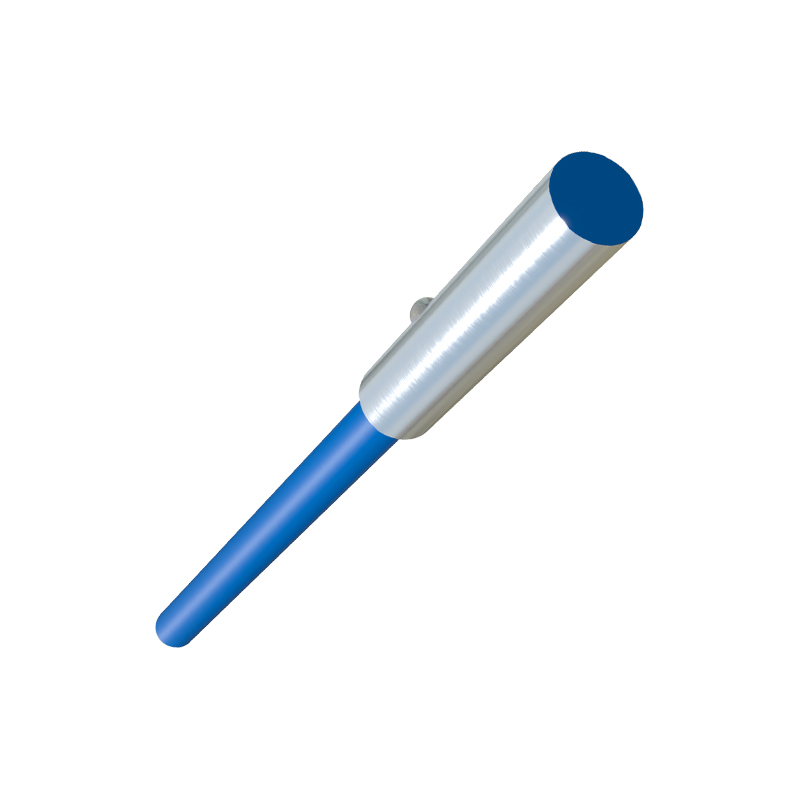
Another significant advantage is the suppression of unwanted sensing. Standard inductive sensors can sometimes be triggered by metallic machine frames, mounting brackets, or other background metals if mounted too closely. The aluminum plate design can help reduce this "side-looking" or "background suppression" effect, allowing for more precise and reliable detection of the intended target. Furthermore, the robust construction often translates to higher protection ratings, such as IP67 or IP69K, making them suitable for washdown environments in food and beverage or pharmaceutical industries where high-pressure cleaning is routine.
Typical applications for aluminum plate proximity sensors are found wherever ruggedness and reliability are non-negotiable. They are extensively used in:
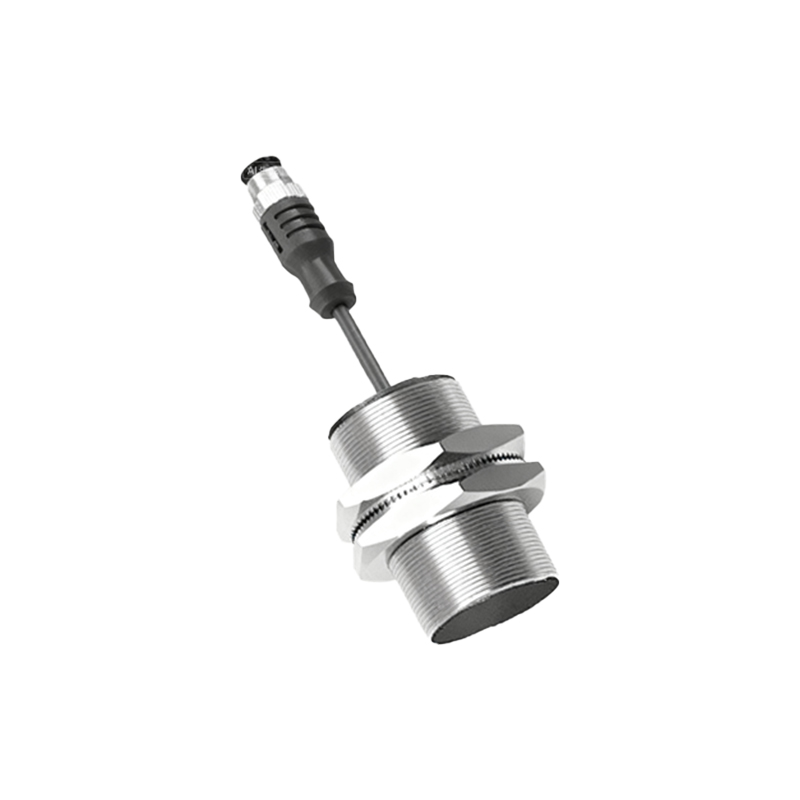
Metalworking Machinery: On CNC lathes, milling machines, and stamping presses to detect tool position, part presence, or end-of-travel limits.
Material Handling: Monitoring the position of metal pallets, shuttle cars, or lift platforms.
Packaging Equipment: Detecting metallic components on high-speed lines where sensor wear is a concern.
Automated Assembly: Ensuring precise positioning of robotic arms or fixtures made of metal.
Heavy-Duty Mobile Equipment: In forestry, agriculture, or construction machinery for position feedback on hydraulic cylinders or implement detection.
When selecting an aluminum plate proximity sensor, key specifications must be considered. The sensing distance is typically shorter than an equivalent unshielded sensor due to the damping effect of the aluminum cover. It is crucial to consult the manufacturer's data sheet for the rated operating distance. Target material also affects performance; while ferrous metals like steel provide the longest sensing range, aluminum sensors can also detect non-ferrous metals like brass, copper, and aluminum itself, albeit at a reduced distance. The output type (PNP/NPN, NO/NC) and connection method (pre-wired cable or quick-disconnect) should be chosen to match the control system. Finally, the size and form factor (cylindrical, rectangular, or limit-switch style) must fit the mechanical constraints of the application.
Installation and maintenance are straightforward but require attention to detail. Ensure the sensor is mounted securely to prevent vibration from affecting performance. Maintain the recommended clearance around the sensing face to avoid false triggers from surrounding metal. The aluminum face, while durable, should still be kept clean from excessive buildup of metallic chips or conductive grime, which could theoretically influence the sensing field. Periodically verifying the sensor's operation as part of a preventive maintenance schedule ensures long-term system reliability.
In conclusion, aluminum plate proximity sensors represent a specialized and robust solution within the inductive sensing family. Their design directly addresses the challenges of harsh industrial environments, offering a blend of mechanical toughness, environmental sealing, and reliable detection performance. By understanding their operating principles, advantages, and ideal application areas, engineers and maintenance professionals can effectively deploy these sensors to enhance the durability and uptime of their automated systems.