In the world of automation, robotics, and smart devices, sensors act as the fundamental sensory organs, providing critical data about the environment. Among the vast array of sensor types, proximity sensors and optical sensors are two pivotal categories often mentioned together, yet they serve distinct purposes based on different operational principles. Grasping their differences is essential for selecting the right component for any application.
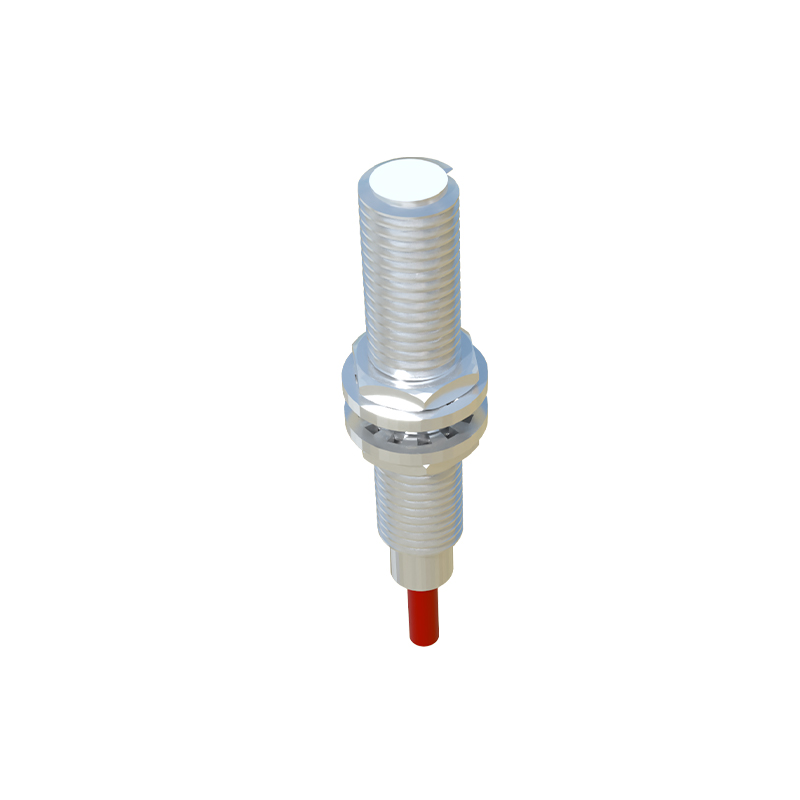
A proximity sensor is a device that detects the presence or absence of an object within a specified range without any physical contact. Its primary function is to sense "how close" an object is. These sensors work by emitting a field or beam of electromagnetic radiation, such as infrared light, ultrasonic waves, or an electromagnetic field, and then looking for changes in the return signal or field. The most common types include inductive proximity sensors (for detecting metals), capacitive proximity sensors (for detecting both metallic and non-metallic materials like liquids or plastics), and ultrasonic proximity sensors. A classic everyday example is the smartphone that dims its screen and disables touch input when held close to the ear during a call—this is typically achieved by a small infrared proximity sensor at the top of the device.
On the other hand, an optical sensor is a broader category that utilizes light to detect various properties of an object or environment. Its function extends beyond mere presence detection to include identification, counting, measuring, and analyzing characteristics like color, contrast, or surface integrity. An optical sensor system generally consists of a light source (often an LED or laser) and a photodetector (like a phototransistor or photodiode). It detects changes in the light beam's intensity, phase, or reflection pattern. Common variants are through-beam sensors (where the object breaks a beam between separate emitter and receiver), retro-reflective sensors (using a reflector), and diffuse reflective sensors (where the object itself reflects the light back to the receiver).
The core distinction lies in their primary objective and method. A proximity sensor answers a simple yes/no question: "Is an object within a predefined distance?" Its output is typically a binary signal. An optical sensor, however, can provide more complex information. While some optical sensors are configured as proximity detectors (often called photoelectric proximity sensors), they can also be engineered to perform tasks like reading barcodes, verifying labels, or precisely measuring dimensions. In essence, all photoelectric proximity sensors are a subset of optical sensors, but not all optical sensors are solely for proximity detection.
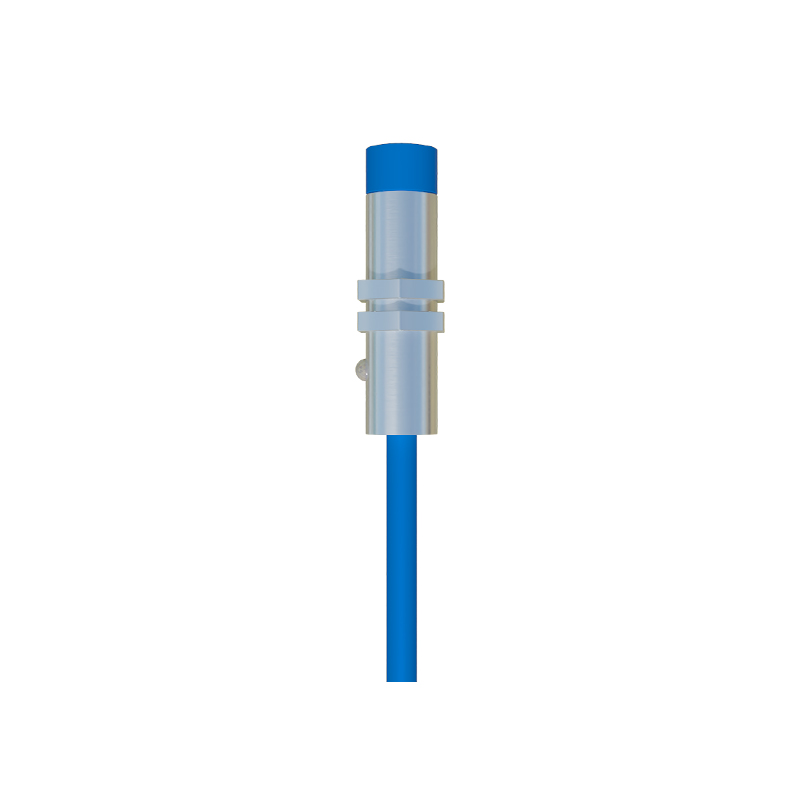
The choice between a dedicated proximity sensor and an optical sensor depends heavily on the application's requirements. For harsh industrial environments with heavy dust or dirt, an inductive proximity sensor, unaffected by such contaminants, is superior for detecting metal parts. For detecting transparent glass bottles on a production line, a capacitive or a specifically tuned diffuse reflective optical sensor might be necessary. For high-speed counting of small components, a through-beam optical sensor offers high precision and range. In consumer electronics, miniaturized infrared proximity and ambient light sensors (a type of optical sensor) work in tandem to optimize screen brightness and power consumption.
In modern systems, these sensors frequently operate in concert. A robotic arm might use an inductive proximity sensor to confirm a metal part is in the gripper's grasp, while an optical vision sensor (a complex optical system) inspects the part's quality. Understanding the fundamental operating principles—field disturbance for proximity sensors versus light interaction for optical sensors—provides a clear roadmap for their effective deployment. As technology advances, the lines may blur with smarter, multi-functional sensors, but the underlying physics of detection will continue to define their most suitable and reliable applications across manufacturing, automotive, healthcare, and consumer technology sectors.