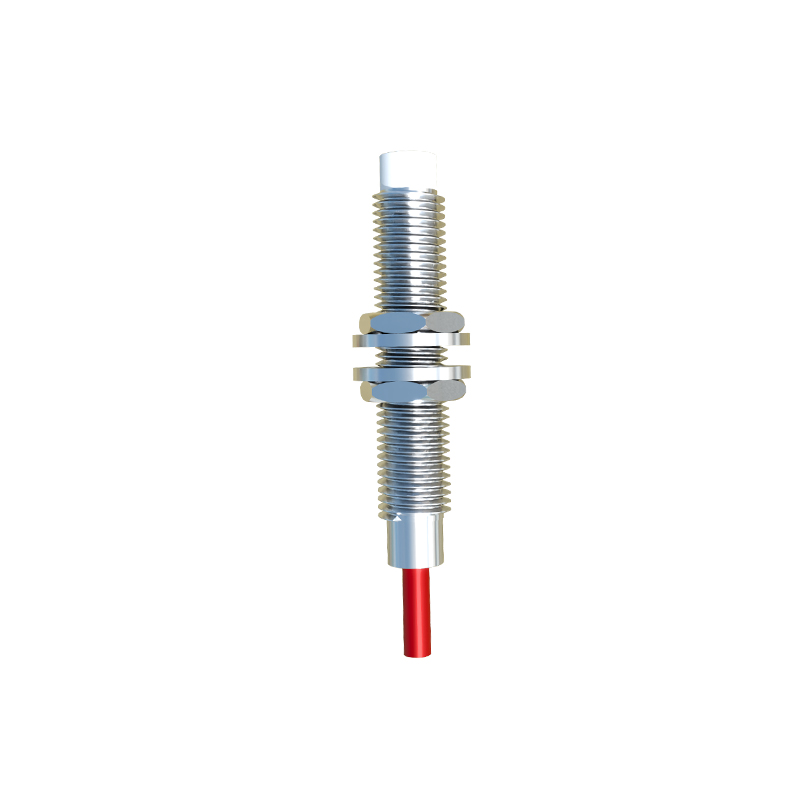
In today's automated industrial landscape, proximity sensors are indispensable components, silently enabling countless machines to detect the presence or absence of objects without physical contact. Understanding the pricing structure for standard proximity sensors is crucial for engineers, procurement specialists, and business owners aiming to optimize their automation budgets. This guide delves into the key factors influencing cost, current market trends, and provides a realistic overview of what to expect when sourcing these devices.
The term "standard proximity sensor" typically refers to common inductive, capacitive, or photoelectric sensors with standard housing sizes, sensing ranges, and output configurations. Their prices are not set by a single factor but by a complex interplay of specifications and market forces. The primary determinant of cost is the sensing technology. Inductive sensors, used for detecting metallic objects, are generally the most economical, with basic shielded barrel models starting as low as $15 to $30 USD per unit. Capacitive sensors, capable of detecting both metallic and non-metallic materials like liquids or plastics, often carry a 20-40% premium over their inductive counterparts for similar housing sizes. Photoelectric sensors, offering the longest sensing ranges, span a wide price band from $30 for basic diffuse models to well over $100 for precise through-beam or background suppression variants.
Beyond core technology, specifications drastically affect the price. Sensing range is a direct cost driver; a sensor with a 2mm range will be less expensive than one rated for 15mm. The housing material and design also contribute; stainless steel housings for washdown or corrosive environments command a higher price than standard nickel-plated brass or PBT plastic. Output type (PNP vs. NPN, NO vs. NC) has a minor impact, but advanced features like analog outputs, IO-Link communication, or increased protection ratings (IP67/IP69K) can easily double or triple the base price of a standard unit. Brand reputation and supply chain positioning play a significant role. Established global brands like Siemens, Omron, Pepperl+Fuchs, and Balluff typically have higher price points, reflecting perceived reliability, extensive technical support, and global availability. Their standard sensors might range from $40 to $150. In contrast, value-oriented or generic brands offer competitive alternatives, often priced between $20 and $80, which can be suitable for less critical applications.
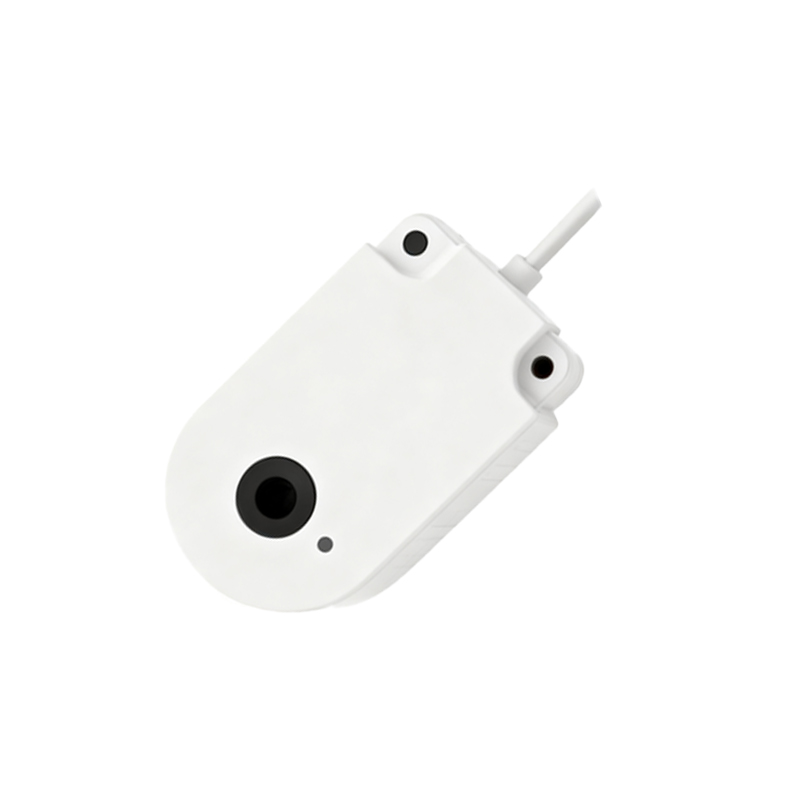
The global market for industrial sensors is dynamic, and pricing is subject to broader trends. In recent years, supply chain volatility has been a major factor. Shortages of semiconductor chips and other electronic components have led to extended lead times and occasional price increases across the board. Conversely, the rise of e-commerce and industrial marketplaces has increased price transparency, allowing buyers to compare options more easily. Another significant trend is the integration of smart features into standard form factors. Sensors with embedded IO-Link functionality, which provides detailed condition monitoring and parameterization data, are becoming the new standard. While their upfront cost is higher (often 30-50% more than a basic digital sensor), they can offer long-term savings through predictive maintenance and reduced downtime.
For a practical budget estimate, consider these general brackets for a standard M12 or M18 barrel-style inductive proximity sensor with a 5-10mm range, PNP output, and IP67 rating. An economy-tier brand might price it between $18 and $35. A mid-tier or common automation brand would likely list it between $35 and $60. A premium industrial brand could charge $55 to $90 or more. It is imperative to request formal quotations from distributors or manufacturers, as list prices often differ from negotiated volume prices. For small quantities (1-10 pieces), expect to pay near the list price. For volume purchases (100+ units), discounts of 15-30% are commonly achievable.
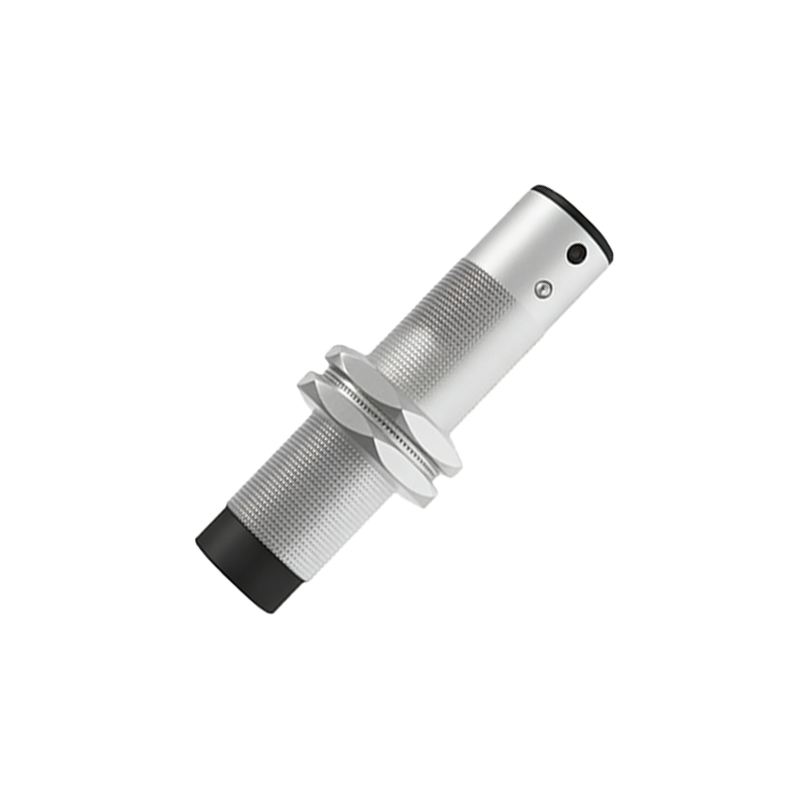
Ultimately, selecting a standard proximity sensor should not be based on price alone. The total cost of ownership includes factors like reliability, durability in the specific application environment, ease of installation, and compatibility with existing systems. A slightly more expensive sensor that prevents a single production line stoppage can pay for itself instantly. Therefore, while this price guide provides a framework for expectation, the most cost-effective choice balances initial investment with proven performance and minimal lifecycle risk, ensuring seamless and efficient operation on the factory floor.