In the world of industrial automation, manufacturing, and smart device design, the reliability of components is non-negotiable. Among these critical components, proximity sensors play a pivotal role in detecting the presence or absence of objects without physical contact. When performance, longevity, and system integrity are on the line, opting for an original, high-quality proximity sensor is not just a preference—it's a necessity. The market is flooded with options, from renowned global giants to specialized niche players, making the choice of "the best" brand a complex decision. This guide delves into the key factors to consider and highlights leading manufacturers to help you make an informed choice.
The primary advantage of choosing an original sensor from a reputable brand lies in guaranteed performance specifications. These sensors undergo rigorous testing and quality control processes, ensuring they meet stated standards for sensing distance, repeat accuracy, response time, and environmental durability (such as resistance to temperature extremes, moisture, and chemicals). Counterfeit or generic alternatives often fail to deliver consistent performance, leading to unexpected downtime, production errors, and potentially costly safety hazards. An original sensor is an investment in the smooth and predictable operation of your entire system.
So, which brands consistently rise to the top? The answer depends heavily on your specific application, required technology (inductive, capacitive, ultrasonic, or photoelectric), and budget. However, several manufacturers have built unparalleled reputations over decades.
Key Leaders in the Proximity Sensor Market:
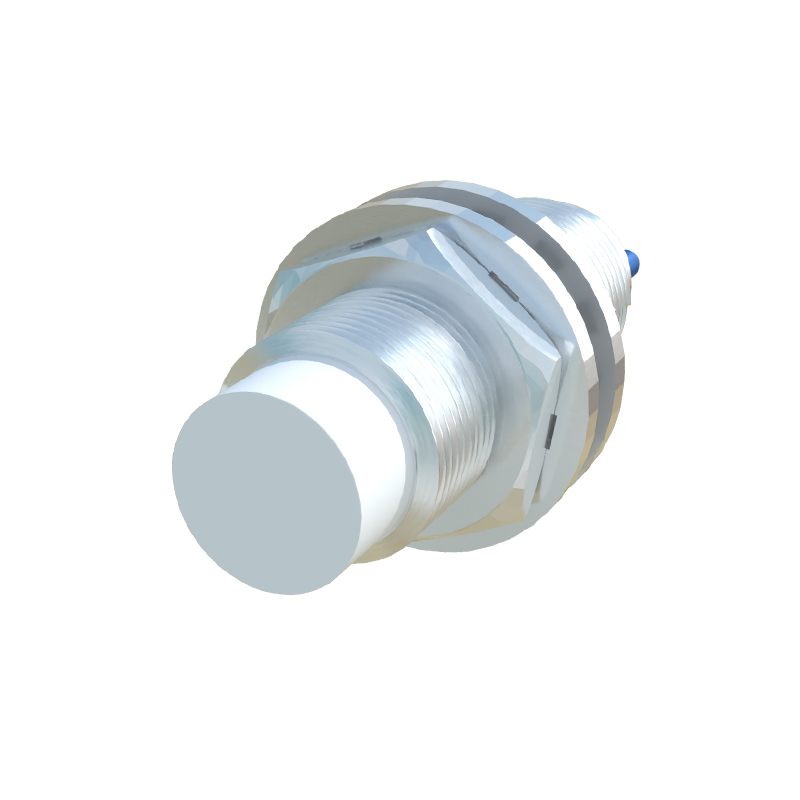
Sick AG: A German powerhouse in sensor intelligence, Sick is synonymous with precision and innovation. Their proximity sensor portfolio is exceptionally broad and deep, offering solutions for the most challenging environments. They excel in applications requiring high hygiene standards (food & beverage, pharmaceuticals), extreme precision in logistics, and robust performance in heavy industry. If your priority is cutting-edge technology and maximum reliability, Sick is a top contender.
Pepperl+Fuchs: Another German leader, Pepperl+Fuchs is often the go-to brand for intrinsic safety and explosion-proof (Ex) applications in chemical, oil, and gas industries. Their sensors are engineered for exceptional durability and signal stability. They also offer a vast range of standard inductive and capacitive sensors known for their rugged housing designs and long service life.
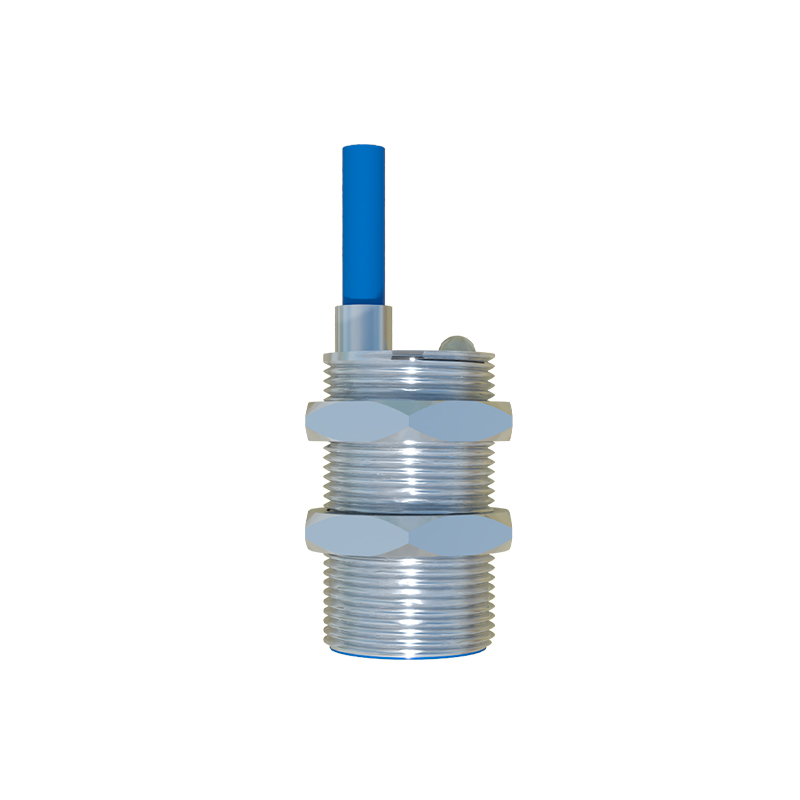
Omron Corporation: Hailing from Japan, Omron is a global titan in automation components. They are renowned for their exceptional quality control, miniaturization capabilities, and cost-effectiveness without sacrificing performance. Omron proximity sensors are incredibly popular in general factory automation, packaging, and consumer electronics assembly lines. They offer an excellent balance of reliability, variety, and value.
Balluff GmbH: A German specialist in sensor and automation technology, Balluff is highly respected for its innovative designs and strong customer support. They offer many unique form factors and specialized sensors, including high-temperature variants and models with advanced diagnostics (IO-Link). Balluff is a strong choice for applications requiring custom solutions or seamless integration into sophisticated Industry 4.0 networks.
IFM Electronic: IFM has made a significant mark with its user-friendly and robust sensor solutions. Their products are known for intuitive setup (often with clear visual indicators) and sturdy construction. IFM provides a comprehensive range of proximity sensors that are particularly favored in material handling, mobile equipment, and general manufacturing for their ease of use and dependable performance.
Choosing the Right Brand for You:
Beyond the brand name, your selection process must involve a detailed analysis of your requirements. Consider the sensing object (metal, plastic, liquid?), the required sensing range, the electrical output needed (PNP/NPN, analog, IO-Link), the environmental conditions (dust, washdown, shock), and the mounting constraints. A sensor perfect for detecting metal gears on a clean assembly line may fail miserably in a sawmill.
Furthermore, technical support, global availability, and the ease of sourcing spare parts are crucial for maintaining operations. A brand with a strong local distributor network can be more valuable than a marginally "better" sensor with no support.
In conclusion, there is no single "best" brand for all original proximity sensors. Sick and Pepperl+Fuchs lead in high-end, specialized, and harsh-environment applications. Omron provides outstanding all-around reliability and value for mainstream automation. Balluff and IFM offer compelling mixes of innovation, specialization, and user-centric design. The best approach is to clearly define your technical and operational needs, consult with technical specialists from these reputable companies or their distributors, and test sensors in your actual application whenever possible. Investing time in this selection process with original components from these industry leaders will pay dividends in system uptime, product quality, and total cost of ownership.