In industrial automation and machinery maintenance, the classification of components as wear parts significantly impacts maintenance schedules, inventory management, and operational costs. Proximity sensors, widely used for non-contact detection of objects, often raise the question: Are they considered wear parts? The answer is nuanced, depending on sensor type, application environment, and operational conditions.
Proximity sensors are generally designed for durability and long service life. Unlike mechanical components such as belts, bearings, or seals that experience direct friction and physical degradation, proximity sensors operate without physical contact. They detect objects through electromagnetic fields, capacitive changes, or ultrasonic waves, minimizing mechanical wear. This fundamental characteristic suggests they are not typical wear parts. However, several factors can lead to their degradation or failure, blurring the line between durable components and expendable items.
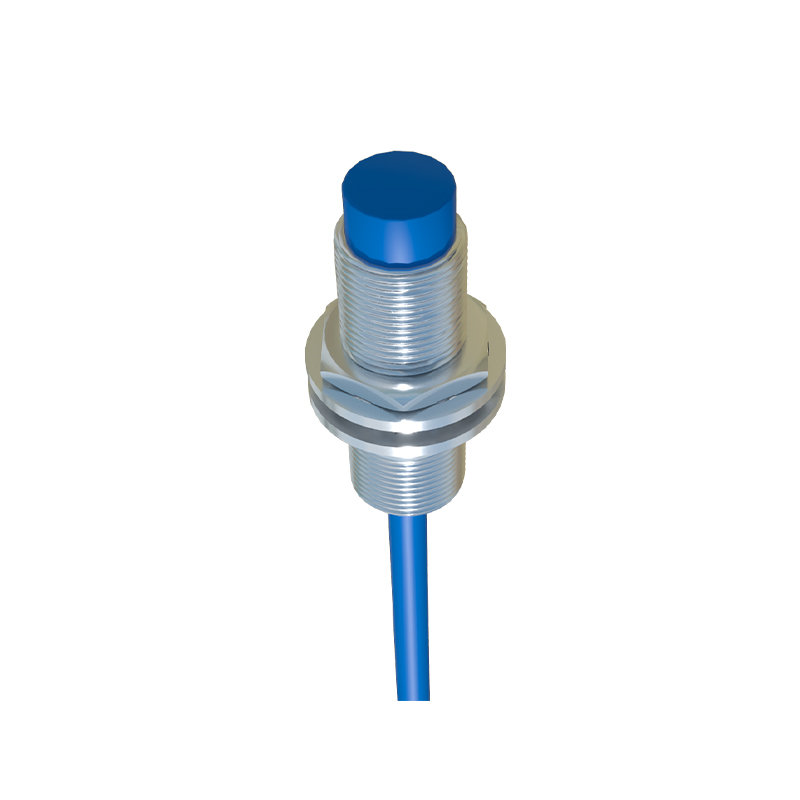
Environmental influences play a critical role in sensor longevity. In harsh settings—like those with extreme temperatures, moisture, corrosive chemicals, or heavy vibration—proximity sensors may deteriorate faster. For instance, sensors in welding environments can be damaged by spatter or electromagnetic interference, while those in food processing might face washdown procedures that compromise seals. Even robust housing materials (e.g., stainless steel or PBT plastic) can degrade over time under constant stress, leading to ingress of contaminants and eventual failure.
Electrical and load-related issues also contribute to sensor wear. Although solid-state electronics within sensors have no moving parts, they are susceptible to voltage spikes, overcurrent, or improper wiring. Repeated electrical stress can weaken internal components, reducing reliability. Additionally, sensors operating at high frequencies or under continuous duty cycles may experience thermal buildup, accelerating electronic aging. In applications with rapid cycling—such as packaging lines or robotic arms—the constant on-off switching can strain the sensor’s output circuitry, akin to fatigue in mechanical systems.
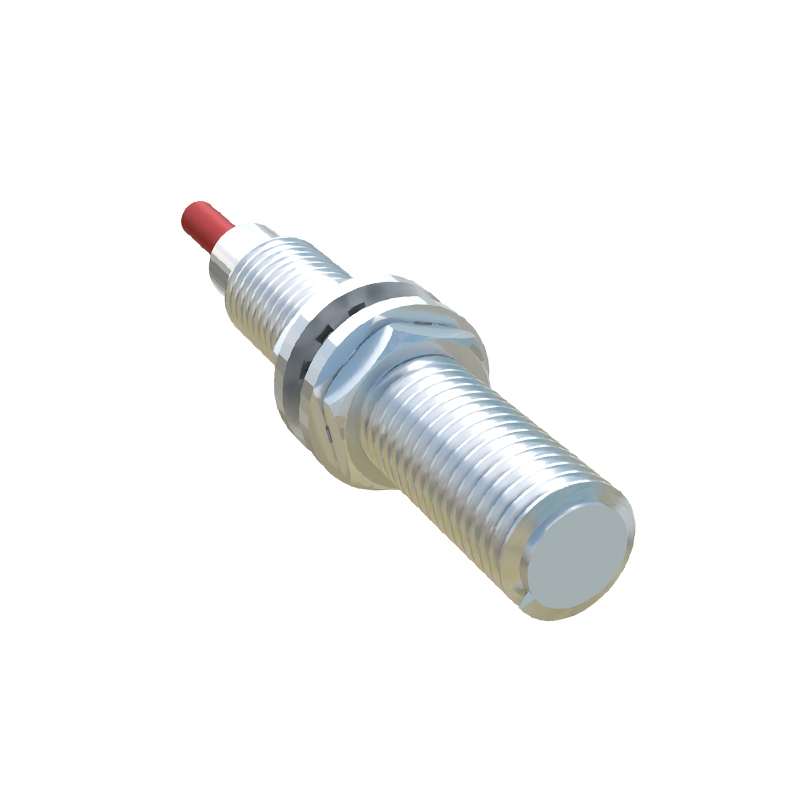
Installation and usage practices further determine whether a proximity sensor becomes a de facto wear part. Misalignment, incorrect mounting, or exposure to unintended detection targets (like metal shavings) can cause premature failure. For example, an inductive sensor placed too close to a metal surface might trigger false signals, leading to unnecessary operational cycles and wear. Regular calibration and adherence to manufacturer guidelines are essential to maximize lifespan.
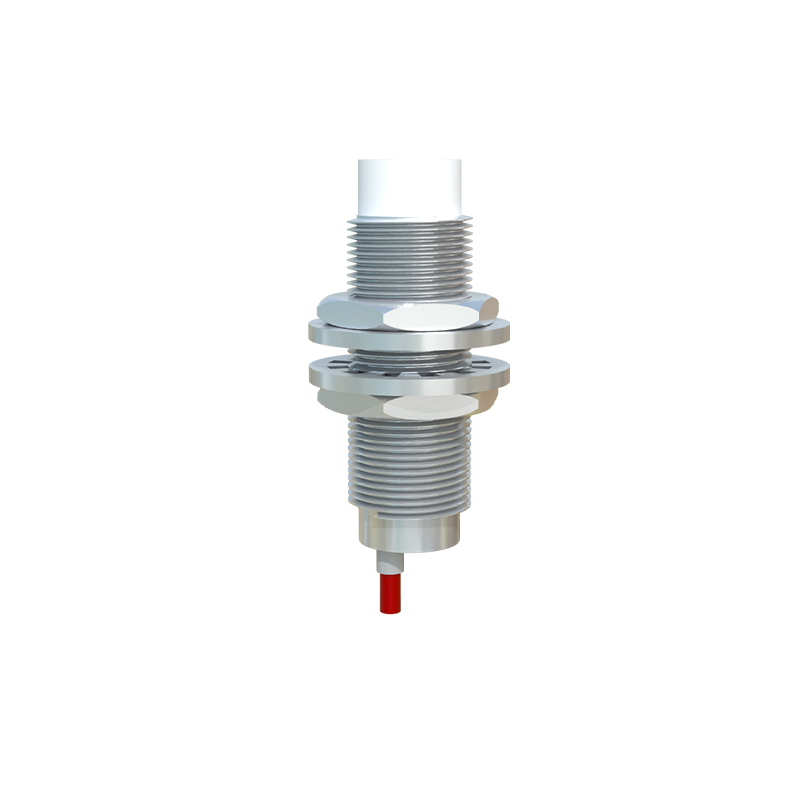
Industry perspectives vary on categorizing proximity sensors. In preventive maintenance programs, sensors are often treated as critical components but not always as routine replaceables. However, in high-availability systems like automotive manufacturing or pharmaceuticals, sensors might be replaced proactively during scheduled downtime to avoid unplanned outages. This approach treats them similarly to wear parts, albeit with longer intervals than typical consumables.
Technological advancements have enhanced sensor resilience. Modern designs feature improved shielding, self-diagnostic capabilities, and robust connectors that reduce failure rates. Yet, no sensor is immortal. Indicators of wear include reduced detection range, inconsistent output, or physical damage like cracked housings. Monitoring these signs helps in planning replacements before catastrophic failure.
In summary, proximity sensors are not classic wear parts like brakes or filters, but they are not immune to wear. Their lifespan hinges on application-specific factors. For maintenance planning, it is prudent to assess sensors based on historical performance data and environmental rigors. While they may not require frequent replacement like true wear parts, budgeting for occasional sensor renewal ensures operational continuity and minimizes downtime risks. Ultimately, treating proximity sensors with a balanced view—prioritizing reliability without overlooking their potential wear—supports efficient and cost-effective maintenance strategies.