Proximity sensors are indispensable components in modern automation, manufacturing, and consumer electronics. They detect the presence or absence of an object without physical contact, relying on electromagnetic fields, light, or sound. While their operation seems straightforward, overlooking key considerations can lead to system failures, inaccurate readings, and even safety hazards. Ensuring reliable performance requires careful attention to several critical factors beyond simply selecting a sensor from a catalog.
The operating environment is paramount. Industrial settings often expose sensors to extreme conditions. Temperature fluctuations can affect the sensing range and response time of both inductive and capacitive sensors. High humidity or the presence of conductive dust can cause leakage currents or false triggering in capacitive models. For optical proximity sensors, ambient light interference—especially from powerful sources like welding arcs or direct sunlight—can render them useless unless they feature modulated light sources or proper shielding. Similarly, ultrasonic sensors may be affected by air turbulence, temperature gradients affecting sound speed, or background acoustic noise. Always consult the sensor's datasheet for its specified ingress protection (IP) rating, temperature range, and environmental immunity.
Selecting the correct sensing technology for the target material is non-negotiable. Inductive sensors are ideal for detecting metals, with their effective sensing distance varying based on the metal's composition (e.g., steel, aluminum, copper). Capacitive sensors can detect both metallic and non-metallic materials (plastics, wood, liquids), but they are also susceptible to interference from surrounding materials or changes in humidity. Optical sensors, including through-beam and diffuse-reflective types, are excellent for a wide variety of materials but require the object's surface to reflect sufficient light; dark, absorbent surfaces can pose a challenge. Understanding the nature of the target object is the first step in technology selection.
Installation and mounting are frequently underestimated sources of error. For inductive and capacitive sensors, maintaining the proper "null zone" or clearance around the sensing face is crucial. Mounting the sensor flush in metal can drastically reduce its range, while non-flush mounting requires specific clearance from surrounding metal to prevent shielding effects. Ensure the sensor is securely fastened to avoid vibration-induced misalignment. For optical sensors, precise alignment in through-beam setups is essential, and the lens must be kept clean from oil, dust, or debris, which can attenuate the light signal. Always follow the manufacturer's mounting guidelines.
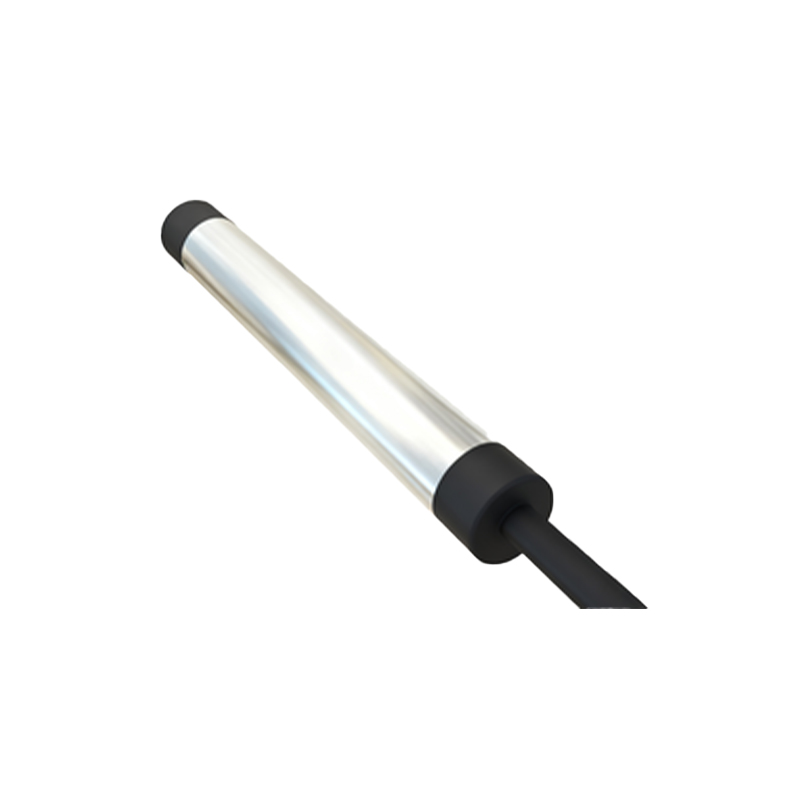
Electrical characteristics and wiring demand meticulous planning. Pay close attention to the supply voltage (e.g., 10-30 VDC) and ensure it is stable; voltage spikes or drops can cause erratic behavior. Understand the output type (PNP/NPN, NO/NC) and ensure compatibility with your controller's input module. Incorrect wiring is a common cause of sensor failure. Implement proper shielding for cables in electrically noisy environments to prevent electromagnetic interference (EMI) from motors or frequency drives. Fusing or surge protection is recommended to safeguard against current inrushes or voltage transients on the supply line.
Regular maintenance and calibration form the backbone of long-term reliability. Even self-contained sensors can drift over time. Establish a schedule to check for physical damage, clean sensing surfaces, and verify operational accuracy against a known standard. For adjustable sensors, document the original settings. In critical applications, consider implementing a diagnostic routine that monitors sensor response times or signal strength to predict potential failures before they occur.
Finally, never compromise on safety. Proximity sensors used in safety-critical functions, such as machine guarding or emergency stop circuits, must be designed and certified for that purpose (e.g.,符合 ISO 13849 PL or IEC 61508 SIL standards). Redundant sensing or monitored configurations are often required. A standard industrial sensor should not be assumed to be a safety device unless explicitly stated.
By systematically evaluating the environment, target, installation, electrical setup, and maintenance needs, engineers and technicians can leverage proximity sensors to build robust, efficient, and safe automated systems. The upfront investment in proper selection and integration pays dividends in reduced downtime and consistent operational integrity.