In today's automated world, proximity sensors are the silent, unseen guardians of countless industrial and consumer applications. From ensuring robotic arms operate safely to enabling the touchless flush of a modern toilet, their reliability is paramount. However, the market is flooded with counterfeit and substandard components that pose significant risks. Identifying a genuine proximity sensor is not just about ensuring performance; it's a critical step in safeguarding your systems, personnel, and bottom line.
The first and most reliable line of defense is purchasing from authorized distributors or directly from the manufacturer. Reputable manufacturers maintain strict authorized channel networks. Before buying, verify the distributor's status on the sensor manufacturer's official website. Counterfeiters often create sophisticated-looking websites, so always use known, trusted URLs. Be wary of prices that seem too good to be true, especially on third-party marketplaces or from unknown suppliers offering "OEM" or "compatible" parts at deep discounts. Genuine components have a defined market value based on their engineering, materials, and quality control.
Physical inspection can reveal many telltale signs of a fake. Examine the sensor's housing. Authentic sensors use high-grade materials—often specific plastics or metals—that feel robust and are precisely molded. Counterfeits may use cheaper, lighter materials with visible imperfections like flash marks, uneven surfaces, or inconsistent coloring. Check the logos, part numbers, and certification marks (like CE, UL, IP ratings). On a genuine sensor, these are laser-etched, engraved, or printed with high-resolution clarity and are perfectly aligned. Counterfeits often feature poorly printed, smudged, or even slightly misspelled markings. The font and spacing might be off compared to an official datasheet image.
The connector and cable are also key indicators. Authentic sensors typically have molded connectors with a clean, seamless finish and high-quality, flexible cable jacketing marked with the manufacturer's name or specifications. Counterfeit cables may feel stiff or rubbery, with poorly fitted connector housings. The wire gauge might be thinner, indicating subpar materials that could fail under load or in harsh environments.
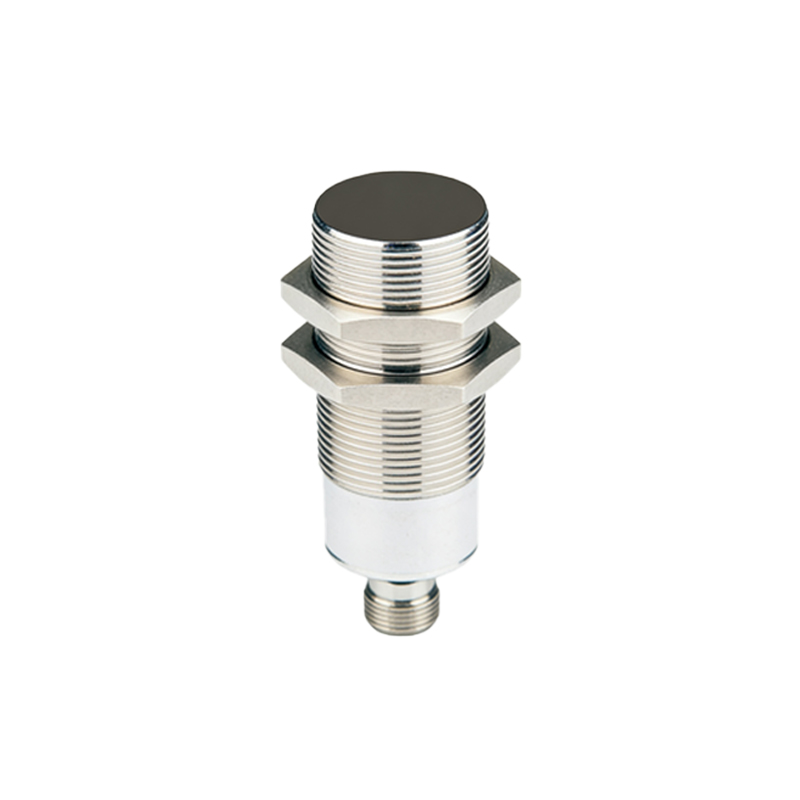
Performance validation is the ultimate test. While not always possible before purchase, testing a sample batch is crucial. Connect the sensor to its intended system or a test bench. Genuine sensors exhibit precise and repeatable sensing distances, fast response times, and stable output signals as documented in their official technical datasheet. Counterfeit sensors may have inconsistent switching points, shorter operational ranges, higher current consumption, or unstable behavior under temperature variations or electrical noise. They often lack the robust electromagnetic compatibility (EMC) and environmental protection (like IP67/IP68 ratings) that genuine components are certified for.
Pay close attention to the packaging. Manufacturers invest in quality packaging that protects the product. This includes anti-static bags for electronic components, sturdy boxes with clear labeling, and included documentation like data sheets, certificates of conformity, and safety instructions. Counterfeits often arrive in flimsy, generic packaging or bags with photocopied or missing documentation. The part number on the box should match the part number on the sensor precisely.
The risks of using counterfeit proximity sensors are severe. They can cause unplanned machine downtime, leading to massive production losses. Their failure can trigger safety system malfunctions, creating hazardous situations for workers. They may damage other connected, expensive equipment due to electrical faults or incorrect signals. Furthermore, they almost always void the warranty of the larger system and lack any form of manufacturer support or liability coverage.
To ensure you are getting a genuine product, establish a direct relationship with manufacturers or their authorized partners. Request and verify certificates of authenticity. For large projects, consider auditing your supply chain. Many top manufacturers also offer online verification tools where you can enter a serial number or scan a QR code to confirm a product's legitimacy.
In conclusion, the cost of a counterfeit sensor is far greater than its low purchase price. By prioritizing procurement from authorized sources, conducting thorough physical and performance inspections, and understanding the profound risks, you can protect your operations. Investing in genuine proximity sensors is an investment in reliability, safety, and long-term operational efficiency. Don't let a cheap component become the most expensive point of failure in your system.