In the world of industrial automation, robotics, and consumer electronics, sensors act as the critical interface between the physical environment and digital control systems. Two fundamental types widely used for non-contact detection are proximity sensors and magnetic sensors. While their end goal—detecting the presence or absence of an object without physical touch—is similar, their underlying operating principles, capabilities, and ideal applications differ significantly. Understanding these differences is essential for selecting the right sensor for a specific task.
Understanding Proximity Sensors
Proximity sensors are devices that detect the presence or absence of a nearby object within a defined range, typically without any physical contact. They achieve this by emitting a field or beam of electromagnetic radiation and looking for changes in the field or return signal. The most common types include:
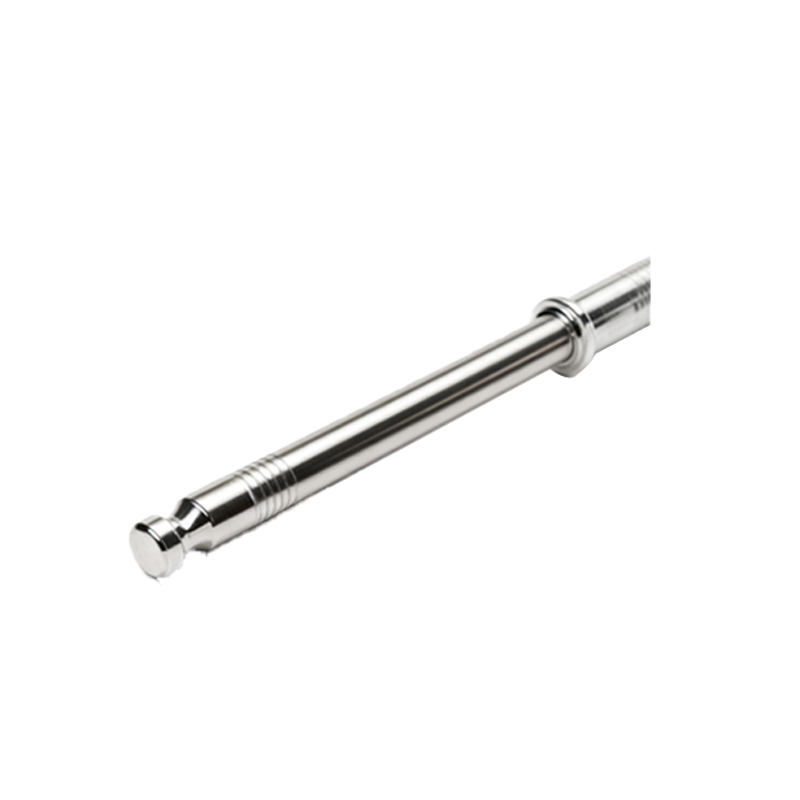
Inductive Proximity Sensors: These sensors generate an oscillating electromagnetic field. When a metallic object (ferrous or non-ferrous) enters this field, it induces eddy currents within the object, causing a change in the sensor's oscillation amplitude. This change triggers the sensor's output switch. Inductive sensors are exceptionally reliable for detecting metals and are immune to environmental factors like dust, oil, or moisture. They are staples in manufacturing for tasks like part counting, machine tool positioning, and detecting metal parts on conveyor belts.
Capacitive Proximity Sensors: These sensors can detect both metallic and non-metallic objects (liquids, plastics, wood, etc.) by sensing changes in capacitance. The sensor forms one plate of a capacitor, the target object forms the other, and the air gap is the dielectric. As an object approaches, the capacitance increases, and once it reaches a threshold, the sensor activates. This makes them ideal for level detection in tanks (for liquids or granules), material handling, and detecting non-metallic containers.
Ultrasonic Proximity Sensors: These work on the principle of echolocation. They emit high-frequency sound waves and measure the time taken for the echo to return from a target object. They can detect a wide variety of materials, regardless of color or transparency, and are excellent for measuring distance or presence over longer ranges. Common applications include pallet detection, liquid level sensing in harsh environments, and obstacle detection in automated guided vehicles (AGVs).
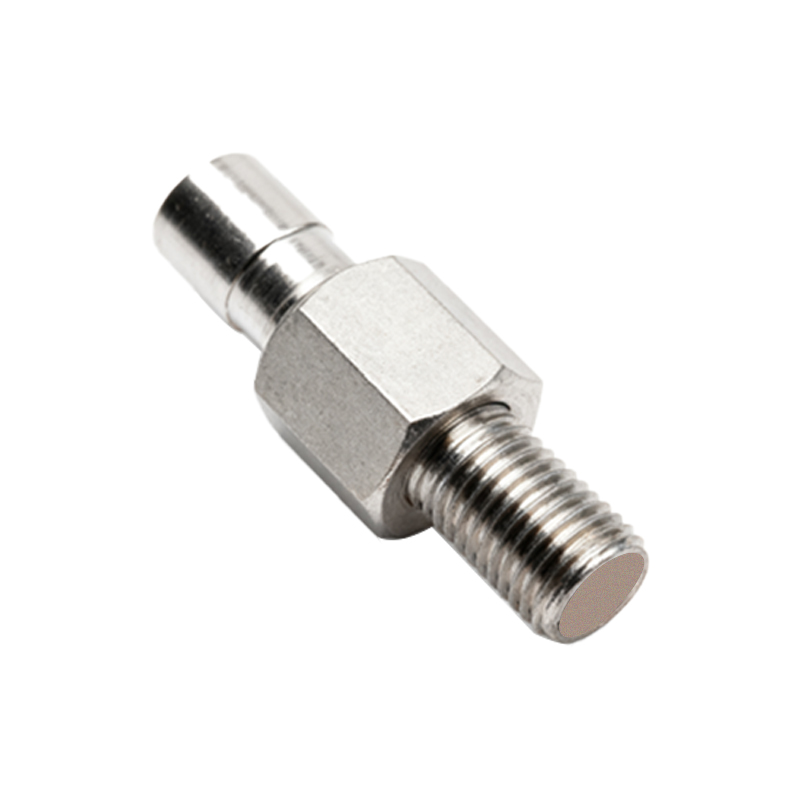
The key strength of proximity sensors lies in their versatility and material-specific detection capabilities, particularly in harsh industrial environments.
Understanding Magnetic Sensors
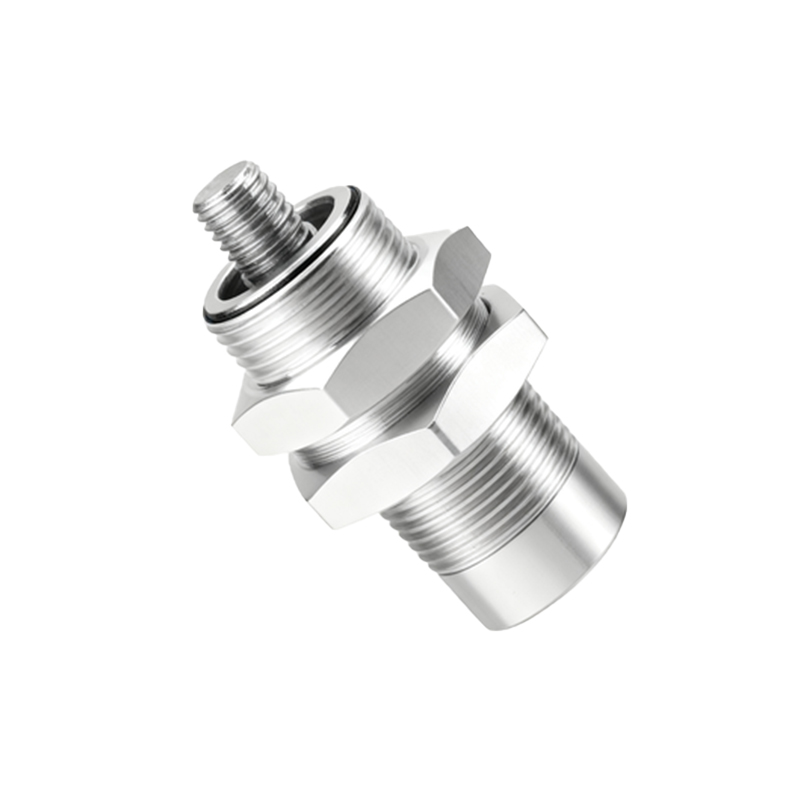
Magnetic sensors, specifically in the context of proximity detection, are designed to detect the presence, strength, or direction of a magnetic field. The most common type used for position sensing is the Reed Switch or its solid-state counterpart, the Hall Effect Sensor.
Reed Switches: These are simple, passive devices consisting of two ferromagnetic reeds sealed in a glass tube filled with inert gas. When a permanent magnet is brought within a certain range, the reeds magnetize, attract each other, and make contact, closing the circuit. When the magnet is removed, the reeds spring back to their open position.
Hall Effect Sensors: These solid-state devices produce a voltage output (analog or digital) when exposed to a magnetic field. They work on the Hall Effect principle: when a current-carrying conductor is placed in a magnetic field perpendicular to the current, a voltage is generated across the conductor transverse to the current and field directions. This voltage is proportional to the magnetic field strength.
For proximity detection, a magnetic sensor (reed or Hall Effect) is paired with a permanent magnet. The sensor detects the approach or retreat of this magnet. Their operation is fundamentally binary in the case of digital switches: magnet present or absent.
Key Differences and Selection Criteria
The core difference is the trigger mechanism. Proximity sensors detect the physical object itself by interacting with its material properties (conductivity, dielectric constant, sound reflectivity). Magnetic sensors detect the magnetic field of a dedicated magnet attached to the target object.
This leads to distinct application profiles:
Choose a Proximity Sensor when: You need to detect an object based on its inherent material properties. The target does not need a magnet attached. Applications include detecting metal parts in machinery, monitoring fill levels of various substances, or sensing any object (metal or not) in a dirty environment. They offer more flexibility in what they can detect.
Choose a Magnetic Sensor when: You require extremely reliable, wear-free switching in a clean environment, often for position or limit sensing. The target object can be fitted with a magnet. Key advantages include:
Zero Power Consumption (Reed): Reed switches require no power to operate.
Extreme Reliability & Long Life: With no moving parts in Hall sensors and minimal in reed switches, they offer billions of cycles