Proximity sensors are a cornerstone of modern automation and interactive technology, silently performing critical tasks in countless devices and industrial systems. At the heart of their functionality lies a fundamental parameter: sensing distance. This distance, often specified as the nominal or operating range, is not a single fixed value but a complex characteristic influenced by a web of factors. Understanding these factors is essential for selecting the right sensor and ensuring reliable operation in any application.
The core principle behind most proximity sensors involves emitting a field or beam—be it electromagnetic, infrared, or ultrasonic—and detecting changes in that field caused by a target object. The maximum distance at which this detection can reliably occur defines the sensor's rated range. However, this specification on a datasheet is typically determined under ideal laboratory conditions: a standard target material (often mild steel for inductive sensors), a specific target size, and a controlled environment. In the real world, these conditions are rarely met, making it crucial to consider the variables that affect the actual usable distance.
One of the most significant factors is the target material. Inductive sensors, which detect metallic objects, show vastly different sensing ranges depending on the metal type. While mild steel serves as the benchmark, non-ferrous metals like aluminum, copper, or brass are detected at a significantly reduced distance—sometimes only 40-60% of the rated range. Capacitive sensors, used for non-metallic materials, are similarly affected by the target's dielectric constant; materials with higher constants (like water or wood) are detected more easily and at greater distances than those with low constants (like plastics).
Target size and shape also play a pivotal role. A sensor's sensing field is three-dimensional. If a target is smaller than the sensor's active surface area or has an irregular shape, the effective sensing distance decreases. For reliable detection, the standard recommendation is that the target should be at least as large as the sensor's sensing face. The orientation of the target matters too; a flat surface presented perpendicularly to the sensor is optimal, while angled surfaces can reflect signals away or present a smaller cross-section.
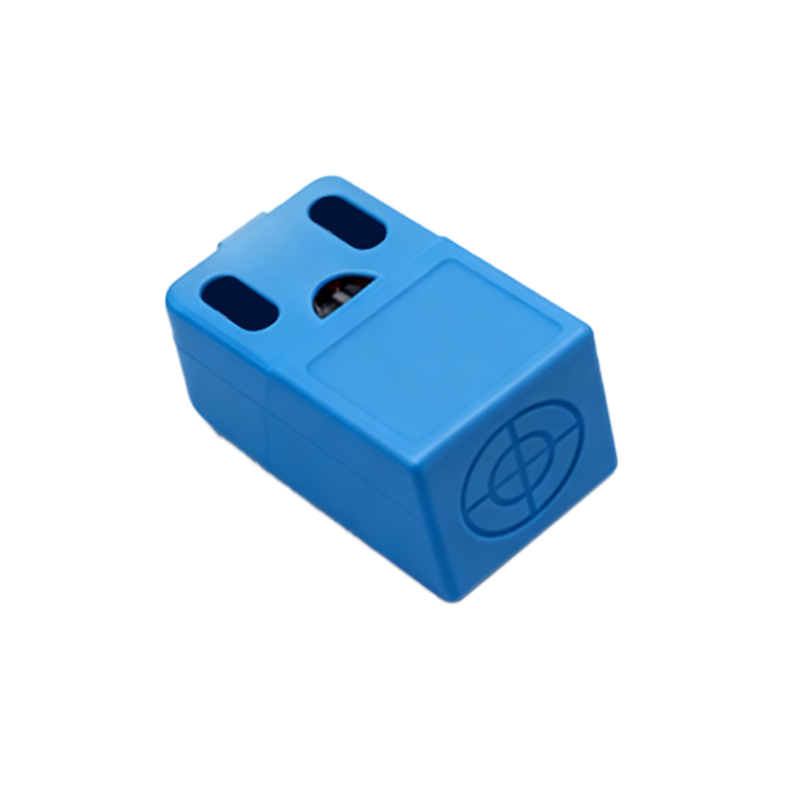
Environmental conditions are another critical consideration. Temperature extremes can affect electronic components and signal propagation, potentially altering the sensing range. For optical and ultrasonic sensors, airborne contaminants like dust, fog, or oil mist can attenuate or scatter the signal, reducing effective distance. Similarly, intense ambient light can blind photoelectric sensors, while strong electromagnetic fields can interfere with inductive models. Many industrial sensors are built with built-in temperature compensation and shielding to mitigate these effects, but they must be accounted for during installation.
Finally, the installation method itself influences performance. Embedding a sensor in a metal surround (flush mounting) creates a narrower, more focused sensing field, protecting it from lateral interference but slightly reducing its nominal range. Non-flush mountable sensors have a wider, more extended field, offering a longer range but being susceptible to detection from the sides, which can cause false triggers if not carefully positioned. The mounting distance between two identical sensors must also be increased to prevent them from interfering with each other's fields.
In practice, engineers apply a crucial concept: the derating factor. It is standard to use only 60-80% of a sensor's published nominal range to build in a safety margin, accounting for material variations, temperature drift, supply voltage fluctuations, and component aging. This ensures long-term, fail-safe operation.
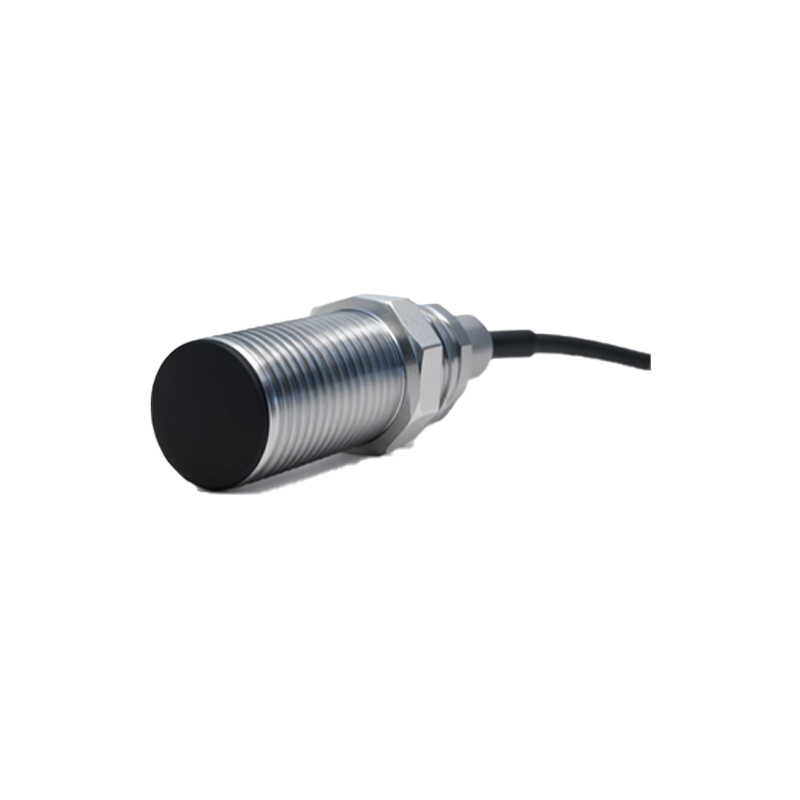
The implications of precise distance sensing are vast. In automotive applications, ultrasonic proximity sensors enable parking assist systems by accurately measuring the distance to obstacles. On smartphone screens, miniature infrared sensors detect the presence of a user's ear during a call to disable the touchscreen. In manufacturing, inductive sensors count products on a conveyor belt or confirm the position of a robotic arm with millimeter precision, relying on consistent and repeatable detection distances to maintain quality and safety.
In conclusion, the operating distance of a proximity sensor is a dynamic specification. Successful implementation moves beyond simply reading a datasheet number. It requires a holistic understanding of the target's properties, the sensor's technology, and the installation environment. By carefully evaluating these interacting factors—material, size, environment, and mounting—designers and engineers can leverage proximity sensors to create systems that are not only intelligent and automated but also robust and reliable under real-world operating conditions.