For two decades, I've watched engineers install SICK proximity sensors with unwavering trust in the spec sheet, only to face unplanned downtime weeks later. The industry venerates these sensors for their precision and durability, but raw data sheets are maps of a calm sea, not the stormy reality of the factory floor. Let's cut through the marketing and talk about what actually happens.
Experience Correction: The Gaps Between Lab Specs and Mill Grit.
The published repeat accuracy and switching frequency are achieved in a clean, 25°C lab with a standardized target. Reality is different. Take the ubiquitous inductive IM series. Its ±1% repeatability assumes a perfect, grounded metal target. In practice, with cast iron or hot-rolled steel exhibiting minor surface oxidation or scale, the effective sensing distance can degrade by 15-20%. The eddy currents simply don't form as predicted. For capacitive sensors like the CX series, the stated dielectric constant compensation is elegant in theory. But in a bottling plant, a consistent film of sugar syrup or oil mist accumulating on the face—sometimes as thin as 40 microns—can cause a false trigger or a missed detection. No datasheet quantifies this "film coefficient." The solution isn't a "better" sensor, but a mandatory compressed air purge kit in such environments, a line item never bundled with the initial purchase.
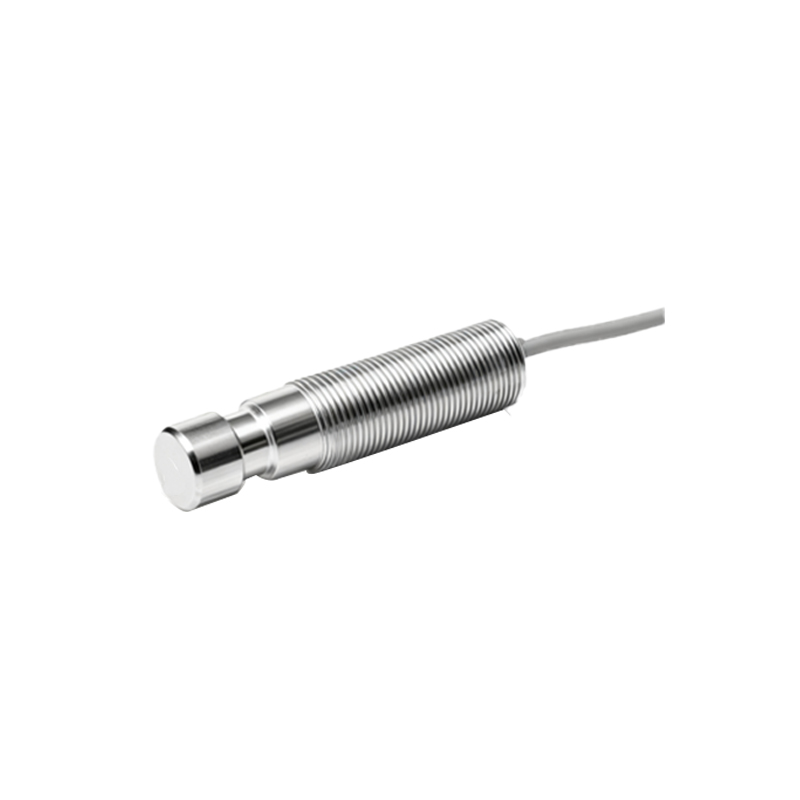
Boundary Conditions: When to Walk Away.
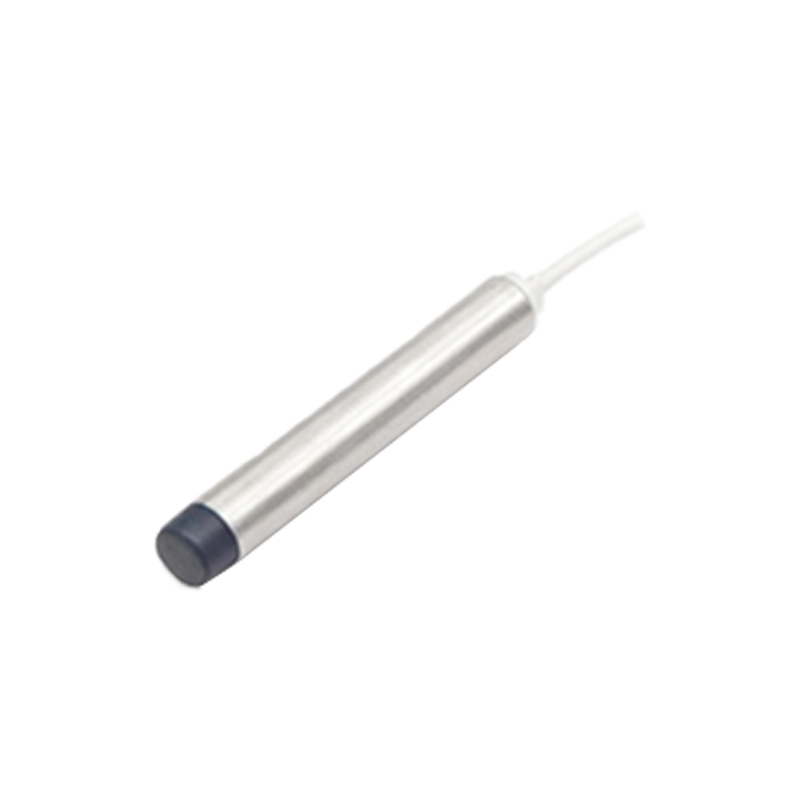
SICK sensors are robust, but they are not universal tools. Deploying them outside these boundaries is an exercise in frustration.
1. Extreme Pulsed Electromagnetic Interference: Near large, old DC motor drives or unshielded resistance welders. The inductive models can latch into a false "on" state despite all internal shielding. The failure is not permanent but sporadic, making it a nightmare to diagnose. Use a fiber-optic system instead.
2. Non-Homogeneous Mediums for Ultrasonic Sensors: The UC series is brilliant for level detection, but not in granular solid silos with intense dust generation during filling. The ultrasonic wavefront scatters unpredictably in the dense, particulate-laden air column, leading to drift readings of up to 30cm. A radar sensor, though costlier, is the correct tool here.

3. High-Speed Sensing of Non-Metallics: Need to count 2,000 plastic vials per minute with a photoelectric sensor? The response time is adequate, but the "debounce" circuitry—meant to eliminate chatter—can be too conservative. You might reliably count 1,950. The fix often lies not in sensor selection but in bypassing the internal debounce via a direct amplifier output to a high-speed counter card.
Counterintuitive Conclusions: Data-Driven Heresies.
1. Sometimes, Less IP Rating is Better: A sealed IP69K housing is superb for washdown. However, in a thermally volatile environment (e.g., a foundry cooling line), that hermetic seal traps condensation internally as ambient temperature swings. I've seen more IP69K sensors fail from internal corrosion than IP67 units in the same spot, where a breathable membrane allows pressure equalization and moisture dissipation. The dogma of "higher IP is always better" is flawed.
2. The "Premium" Material Fallacy: All-metal housings (stainless steel) are marketed as premium. In applications involving frequent collision with metal objects (like a robot gripper), a PBT plastic housing with a metal face is often more reliable. The plastic absorbs impact energy without deforming the critical sensing field geometry, whereas a dented stainless steel barrel permanently shifts the sensing window. Durability is about system mechanics, not just material hardness.
3. Analog Outputs are More Reliable for Digital Tasks: This seems backwards. If you need a simple presence/absence detection of a critical component, consider using an analog sensor (like an IME series) with its 4-20mA output, fed into a PLC analog card. Set the detection threshold in the PLC logic. Why? The diagnostic capability. A drifting signal below the threshold provides early warning of sensor fouling or target misalignment days before a discrete sensor would simply fail to trigger. You trade a slightly higher hardware cost for predictive maintenance intelligence.
The ultimate insight is this: The sensor is just one node in a system of physics. Its performance is dictated by the target's material, the ambient medium, the interference spectrum, and the mechanical ecosystem. Spec sheets define the device; understanding its silent failures defines the expert.