In the realm of industrial automation and machine safety, the reliable detection of objects without physical contact is paramount. Among the various technologies available, mid-point magnetic proximity sensors stand out for their robustness, precision, and versatility. Unlike standard magnetic sensors that trigger at a single magnetic field strength, these advanced devices are designed to activate precisely when a magnetic field reaches a defined intermediate level, offering superior control and accuracy in positioning applications.
The core operating principle hinges on the use of a magnetoresistive or Hall-effect sensing element calibrated to respond to a specific magnetic flux density threshold—the "mid-point." When a permanent magnet, typically mounted on a moving machine part, approaches the sensor, the magnetic field strength increases. The sensor's internal circuitry is tuned to switch its output state only when the field strength crosses this pre-set median value, not merely upon detecting any magnetic presence. This design effectively minimizes errors caused by background magnetic interference or variations in magnet strength over time. It ensures that the switching event corresponds to a highly repeatable physical position of the target, which is critical in applications like cylinder piston rod positioning, conveyor system indexing, or robotic arm end-stop detection.
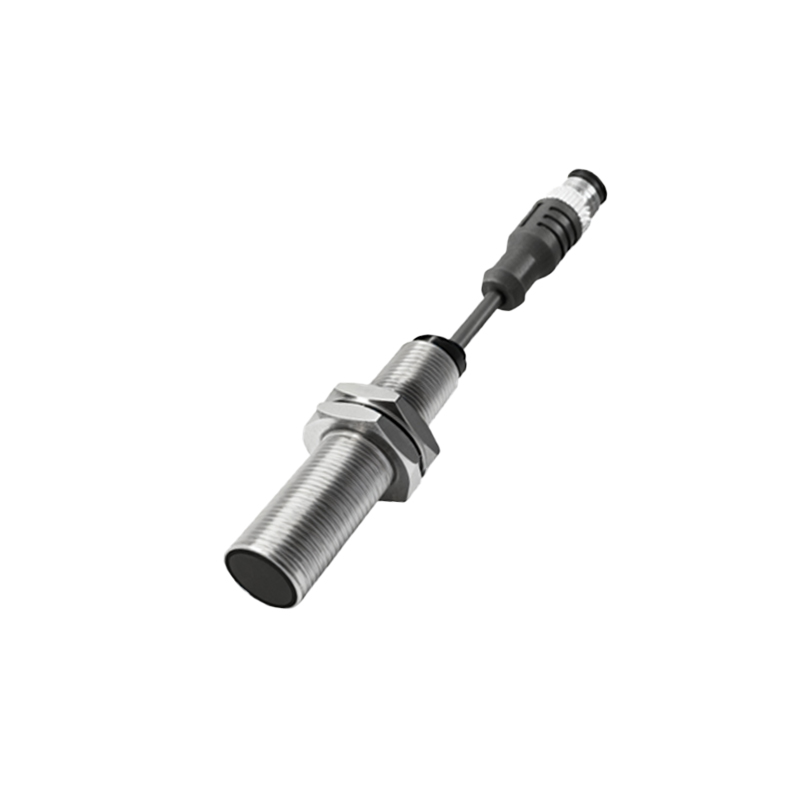
The advantages of implementing mid-point magnetic sensors are significant. First and foremost is their exceptional repeatability and accuracy. By triggering at a precise field strength, they eliminate the positional ambiguity associated with sensors that activate over a broad range. This leads to improved machine cycle consistency and product quality. Secondly, they offer a substantial operational hysteresis. This means the switch-on point (mid-point) and switch-off point are separated by a designed differential in field strength. This hysteresis prevents output signal chatter or rapid toggling when the target magnet hovers near the activation threshold, ensuring stable and reliable operation even in environments with vibration or slight mechanical play. Furthermore, these sensors are inherently immune to non-ferrous materials like aluminum, plastics, or liquids that pass between the magnet and the sensing face, as they respond solely to the magnetic field itself. This makes them ideal for use inside hydraulic or pneumatic cylinders or in wash-down environments where dirt, chips, or coolant might obscure optical sensors.
Typical applications span numerous industries. In factory automation, they are the preferred choice for precisely detecting the extended or retracted position of piston rods in pneumatic and hydraulic cylinders, providing vital feedback for control sequences. In material handling, they ensure accurate positioning of pallets or carriers on conveyor lines. The automotive industry utilizes them in assembly tools and testing equipment for repeatable measurements. Their sealed, rugged housings, often made of stainless steel or high-grade plastics, allow deployment in harsh conditions involving dust, moisture, oils, and temperature extremes.
Selecting the right mid-point magnetic proximity sensor requires careful consideration of several parameters. The switching distance, or the precise gap between the sensor and magnet at which activation occurs, must match the mechanical design. Engineers must also specify the required electrical output type—PNP (sourcing), NPN (sinking), or analog—and the voltage rating to interface correctly with the programmable logic controller (PLC) or other control system. The physical size and mounting style (threaded barrel, rectangular block, or slot style) must suit the installation space. For cylinders, it is crucial to choose a sensor compatible with the cylinder's magnetic piston band and to verify its performance with the specific magnet strength and orientation. Environmental ratings, such as IP67 for dust and temporary immersion protection or higher, are essential for demanding applications.
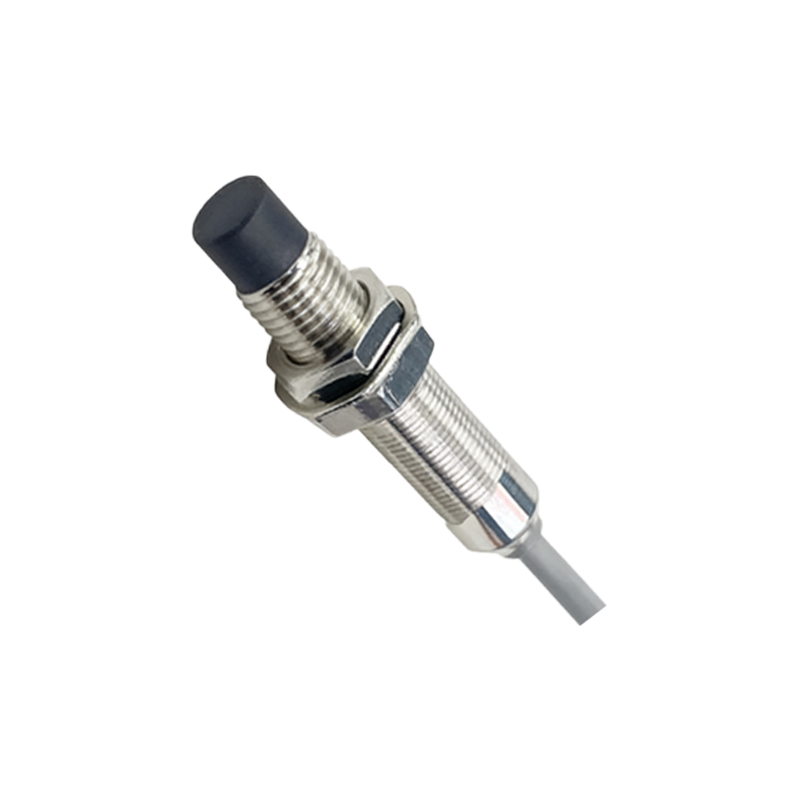
In conclusion, mid-point magnetic proximity sensors provide a critical solution for applications demanding precise, repeatable, and reliable non-contact position sensing. Their intelligent design, focusing on a specific magnetic field midpoint with built-in hysteresis, delivers performance advantages that directly translate into enhanced machine reliability, safety, and operational efficiency. As automation systems continue to evolve towards greater precision and intelligence, the role of these sophisticated sensors is set to become even more integral.