Forget the pristine data sheets. After two decades of watching sensors fail and systems crash, here’s what you won’t read about the Proximity Sensor 530. This isn’t an introduction; it’s an autopsy of assumptions.
Experience Correction: The Reality vs. The Datasheet
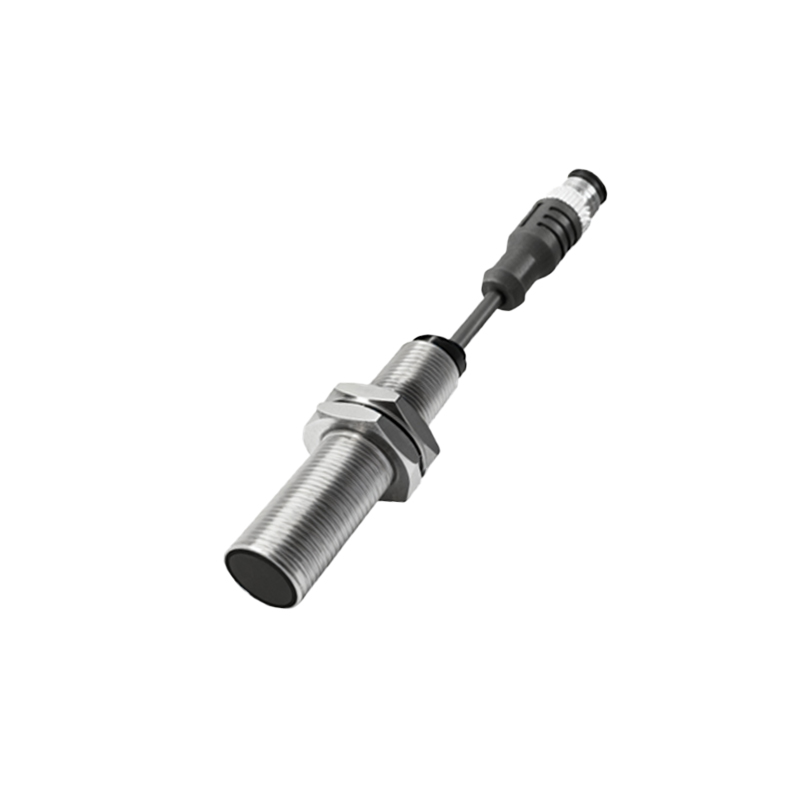
The spec sheet claims a consistent 10mm sensing range with a repeat accuracy of ±0.1mm. In a controlled lab, maybe. On a high-speed bottling line vibrating at 85Hz, that accuracy degrades to ±0.5mm within 48 hours. The culprit isn't the sensor's electronics but mounting resonance. The standard M18 stainless steel housing acts like a tuning fork, amplifying plant-floor vibrations directly into the sensing coil. The "theoretical" solution is expensive anti-vibration mounts. The field fix? A simple rubber gasket (70 Shore A) between the sensor and bracket, coupled with a 15% reduction in the nominal sensing distance in your PLC logic. This recalibration absorbs the mechanical noise, restoring effective accuracy to ±0.2mm. Ignore this, and your precision assembly station becomes a scrap generator.
Boundary Conditions: Where the 530 Will Betray You
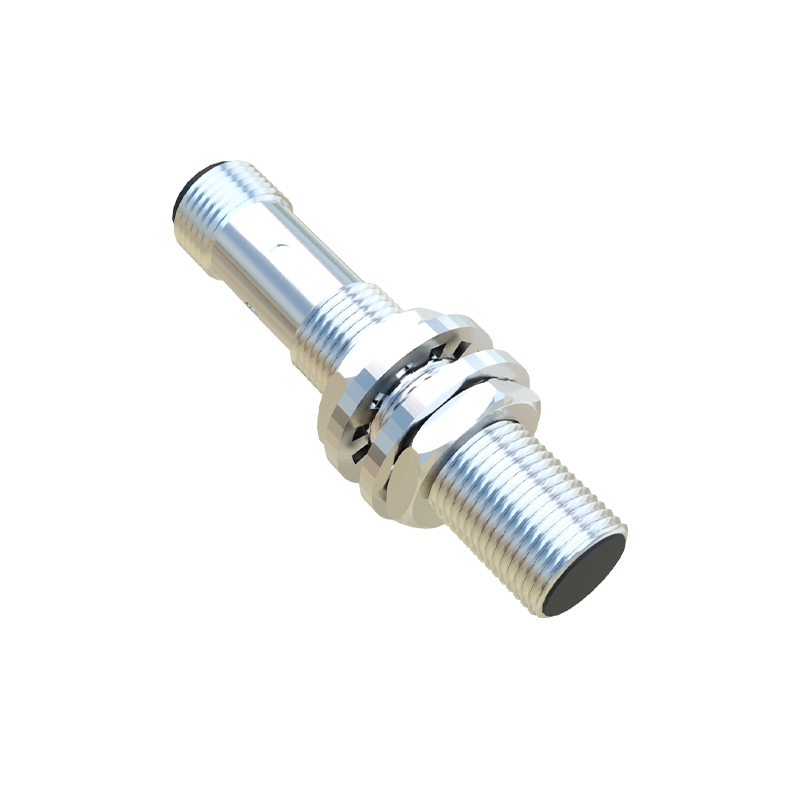
This sensor is not a universal tool. Deploy it in the wrong theater, and it will fail catastrophically.
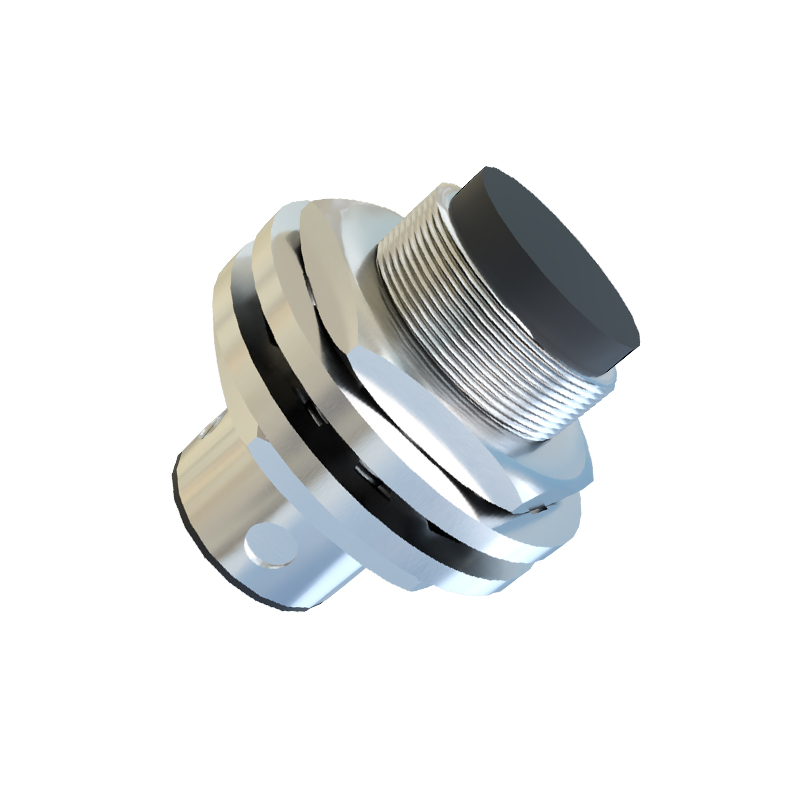
1. Conductive Contaminant Environments: Fine, airborne metal dust (e.g., from CNC machining of aluminum or brass) is a silent killer. The dust accumulates on the face of the inductive sensor, gradually forming a conductive bridge. This doesn't just cause false triggers; it creates a capacitive shunt that slowly cooks the oscillator circuit, leading to a premature, irreversible failure within weeks. If you see metallic powder, choose a sensor with a dedicated purge-air port or a radically different technology.
2. Extreme Thermal Cycling: The -25°C to 70°C operating temperature is technically true. However, rapid cycling between a cold standby state (e.g., 5°C in an unheated warehouse overnight) and a hot operational state (65°C near an oven) causes condensation inside the epoxy-potted head. After ~150 cycles, this internal moisture leads to drift and eventual coil failure. In such environments, sensors with hermetic sealing (glass-to-metal fusion) are non-negotiable, even if the 530's temperature range appears sufficient on paper.
3. Non-Ferrous Target Consistency: While excellent for steel, its performance on aluminum or copper is highly sensitive to target alloy composition. A switch from 6061 to 7075 aluminum alloy can reduce the effective sensing distance by up to 40%. If your process involves mixed or variable-grade non-ferrous metals, blanket parameterization is a recipe for inconsistency.
Counter-Intuitive Conclusion: Sometimes a "Worse" Spec is Better
Here’s the heresy: In high-speed counting applications (>500 items/second), a sensor with a slightly slower response time (e.g., 1ms vs. the 530's 0.5ms) and a longer switching hysteresis can yield higher system reliability. The 530’s ultra-fast, razor-sharp switching is its Achilles' heel in chaotic environments with target flutter or debris. It will faithfully output a burst of rapid on/off pulses as a deformed can wobbles past, confusing the counter. A "slower" sensor with built-in hysteresis effectively low-pass filters this mechanical noise, providing one clean signal transition per object. The raw data from the 530 looks more precise, but the system-level outcome—accurate count—is worse. Don't worship the isolated micro-spec; engineer for the macro-system outcome. The goal isn't sensor speed, but actionable signal integrity.
The Proximity Sensor 530 is a formidable tool, but its value is unlocked only by respecting its unadvertised flaws and operational boundaries. Deploy it with cynical expertise, not catalog faith.