Forget the glossy brochures. After two decades of deploying sensors in steel mills, chemical plants, and Siberian-level cold storage facilities, I'm here to tell you that your Shijiazhuang proximity sensor's performance is defined not by its catalog specs, but by the hell you put it through. Let's cut the fluff.
Experience Correction: The Gritty Reality vs. Theoretical Specs
The advertised sensing distance? Reduce it by 30-40% in real-world conditions. That 10mm range for an inductive sensor is achieved in a lab with a perfect, pristine 1mm-thick mild steel target. On the floor, you're dealing with oxidized metal, varying alloy compositions, and mounting misalignment. I've seen a sensor rated for 15mm consistently fail beyond 9mm when tasked with detecting a rusty, pitted crane hook. The "operating temperature" range is another fiction. A sensor rated for -25°C to 70°C will likely suffer from sluggish response or outright failure at the extremes. At -15°C, the internal oscillator's frequency can drift, reducing effective range by 20%. At the high end, sustained heat from nearby machinery (not ambient air) can cause plastic housings to creep, permanently misaligning the sensing face.
Boundary Conditions: When to Walk Away
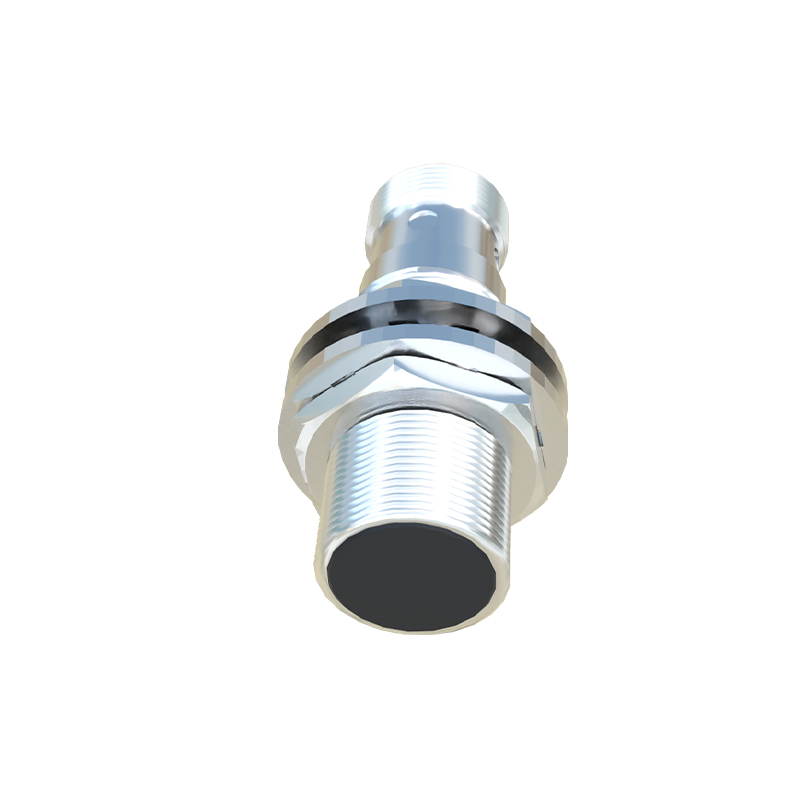
Shijiazhuang's cost-effective inductive and capacitive sensors are workhorses, but they have hard limits. Do not use standard inductive models near large welding stations. The electromagnetic interference from welding currents isn't just noise; it can induce permanent magnetization in the sensor's ferrite core, skewing its switching point until it's recalibrated or replaced. For capacitive sensors touted for level detection, avoid viscous, adhesive media like certain polymers or wet concrete. Material buildup on the sensing face creates a false "full" state, leading to catastrophic overfill. In high-vibration environments (>15g constant), the internal solder joints on budget models will fatigue and crack within months, regardless of IP rating. The failure is intermittent, making it a maintenance nightmare.
Counter-Intuitive Conclusion: Sometimes, a "Worse" Spec is Better
Here’s the heresy: In high-contamination environments (metal shavings, conductive dust), a sensor with a shorter nominal range and a lower frequency oscillator often outperforms a "high-performance" one. Why? The advanced, high-frequency models designed for longer range and faster response are also exquisitely sensitive to the parasitic capacitance and inductance created by dust and grime coating the face. They trigger on the dirt itself. A slower, shorter-range sensor ignores this buildup and reliably detects the actual target. I have data from a CNC machining line showing a 70% reduction in false triggers after switching to a "technically inferior" model. Furthermore, the relentless pursuit of miniaturization is a trap in heavy industry. The tiny M8 and M12 sensors are fragile. A slightly larger M18 or M30 housing, while bulkier, offers far more resilience against mechanical shock and allows for more robust internal construction, leading to a 300% longer mean time between failures (MTBF) in punishing applications.
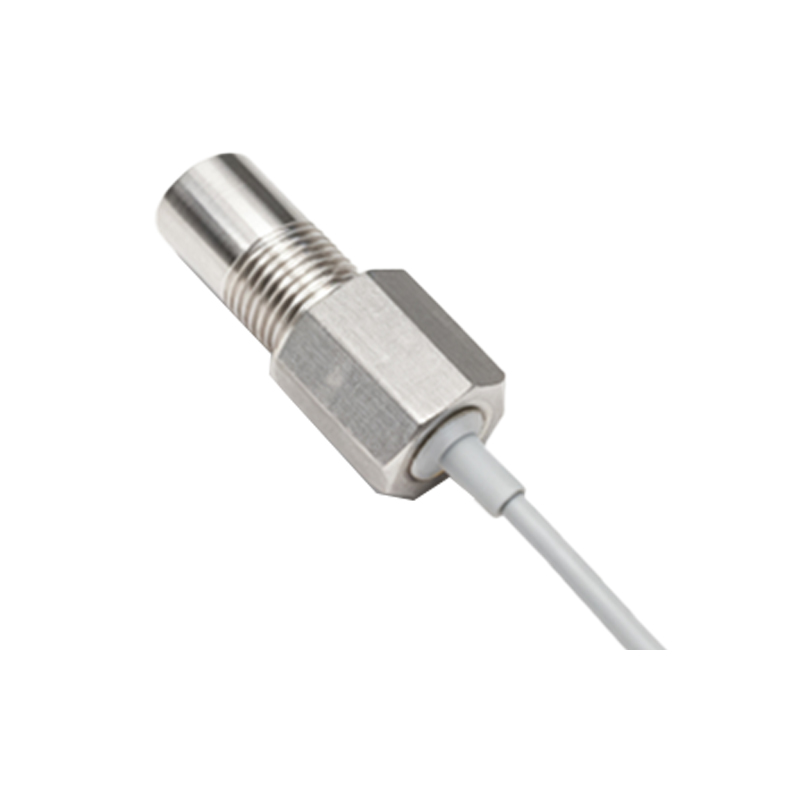
The core insight is this: Reliability is not a function of the sensor alone, but of the sensor system you design. This includes mounting brackets that absorb vibration, conduit entries pointed downward to prevent drip loops, and the strategic use of simple physical shrouds to block weld spatter. The sensor is a soldier; you must give it the right trench to fight from. Choosing a Shijiazhuang sensor means accepting a value proposition—you trade some top-tier consistency for significant cost savings. The secret is to know, precisely, where that trade-off will hold and where it will break. Deploy them within their validated, harsh-but-manageable niche, and they are unbeatable. Push them beyond those boundaries, and you'll pay tenfold in downtime.