In the automated landscape of modern industry, proximity sensors are the silent sentinels, enabling machines to "see" and interact with their environment without physical contact. These devices detect the presence or absence of an object within a defined range, triggering a control signal. Their role is fundamental in manufacturing, packaging, material handling, and robotics, ensuring precision, safety, and efficiency. Unlike limit switches that require mechanical contact, proximity sensors offer non-contact detection, leading to reduced wear, higher reliability, and faster response times.
The working principle hinges on changes in an electromagnetic field or the emission and reception of a beam. The core types of industrial proximity sensors are defined by their underlying technology, each suited to specific materials and environmental conditions.
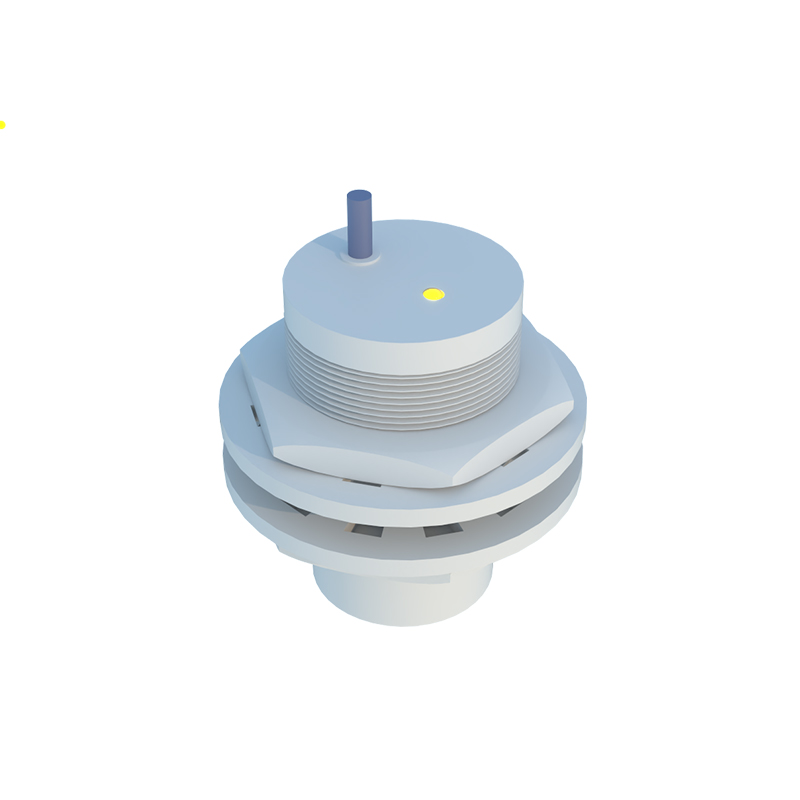
Inductive Proximity Sensors are the workhorses for metal detection. They generate an oscillating electromagnetic field. When a metallic object enters this field, it induces eddy currents within the target, which dampens the sensor's oscillation and triggers a switching output. Their effectiveness varies with the type of metal; ferrous metals like iron and steel are detected at the longest range, while non-ferrous metals like aluminum or copper have a shorter sensing range. These sensors are exceptionally robust, resistant to dust, oil, and coolant splashes, making them ideal for harsh machine tool environments, position sensing on cylinders, and part counting on conveyor lines.
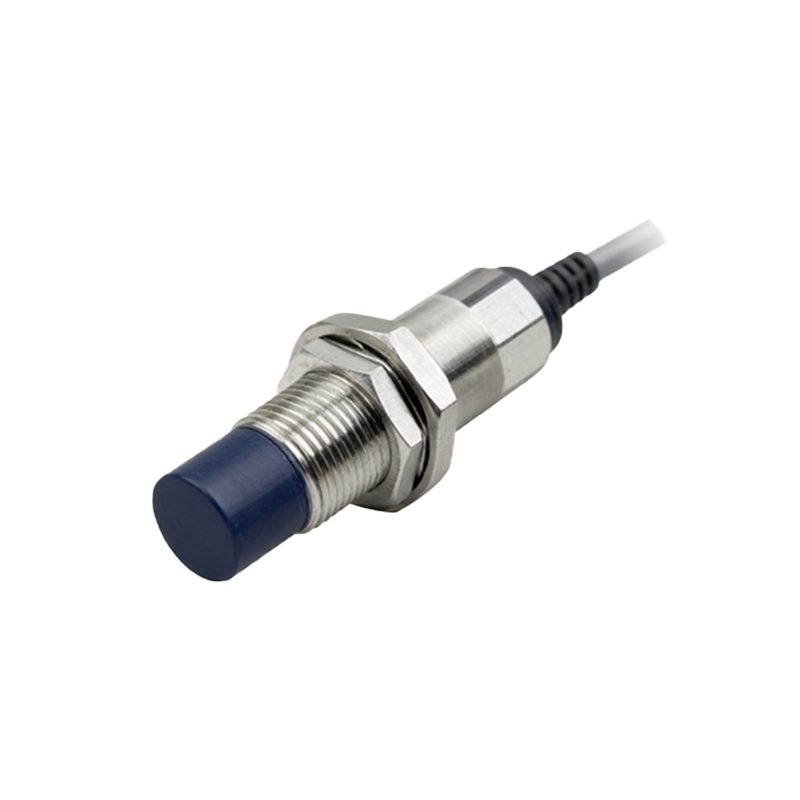
Capacitive Proximity Sensors can detect a much wider variety of materials, including metals, plastics, glass, wood, and liquids. They function by generating an electrostatic field. Any object with a dielectric constant different from air (which is nearly all materials) will alter the capacitance of the sensor's circuit when it approaches, causing a state change. This makes them perfect for applications like monitoring fill levels in non-metallic containers, detecting presence of plastic bottles or wood panels, and sensing powdered or granular materials. They can even sense through certain non-metallic walls.
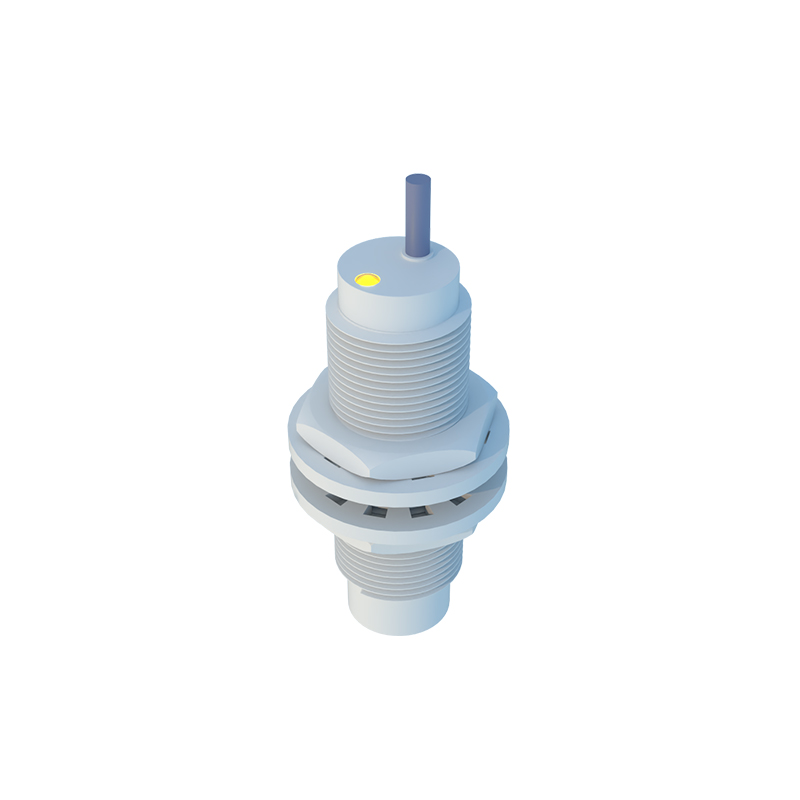
Ultrasonic Proximity Sensors operate on a sonar-like principle. They emit high-frequency sound waves and measure the time it takes for the echo to return from a target object. This time-of-flight measurement allows them to not only detect presence but also gauge distance, making them effective for precise positioning, loop control, and object profiling. They are largely material-independent and perform well in environments with airborne particulates like dust or smoke, where optical sensors might fail. Common uses include palletizing, roll diameter measurement, and liquid level sensing in large tanks.
Photoelectric Sensors, while sometimes categorized separately, are a critical form of proximity detection. They use a light beam (visible red, infrared, or laser) emitted from a transmitter. A receiver detects the beam. In the proximity (diffuse) mode, the sensor detects light reflected directly off the target object. These are excellent for detecting small objects, colored marks, or clear materials at relatively short ranges. They are ubiquitous in packaging, assembly verification, and bottle cap detection.
Selecting the right sensor requires careful analysis of the application. Key parameters include:
Target Material: Metal, plastic, liquid? This dictates inductive vs. capacitive.
Sensing Distance: The nominal operating distance and any required safety margin.
Output Type: Discrete (PNP/NPN) or analog (4-20mA, 0-10V) signals.
Environmental Factors: Exposure to temperature extremes, washdowns, chemicals, or heavy vibration.
Response Frequency: How quickly the sensor can detect objects passing by.
Mounting and Form Factor: Cylindrical, rectangular, or slot-style to fit the installation space.
Installation is critical for reliable operation. Factors like sensor flush-mounting, mutual interference between multiple sensors, and the influence of surrounding metal (the "mounting halo" effect for inductive sensors) must be considered. Proper shielding and adherence to manufacturer specifications prevent false triggers.
The evolution continues with the integration of IO-Link communication, which transforms simple sensors into smart devices. IO-Link enables parameter setting via software, remote monitoring of device health, and transmission of process data like signal strength or internal temperature, facilitating predictive maintenance and smoother integration into Industry 4.0 frameworks.
From ensuring a robotic gripper has securely picked a part to verifying a label is present on a package, industrial proximity sensors provide the essential data point for automated control. Their non-contact nature, durability, and evolving intelligence make them indispensable components in building responsive, efficient, and safe industrial systems. Understanding their distinct characteristics is the first step toward optimizing any automated process.