Forget the pristine data sheets and glossy marketing brochures. The real value of a Panasonic laser sensor isn't found in its nominal specs, but in how those specs degrade, adapt, or fail when the factory floor fights back. After two decades of deploying these units from automotive paint shops to pharmaceutical cleanrooms and everything in between, here’s the raw, data-driven intelligence you won’t get from an application engineer.
Experience Correction: Where Theory Meets Grease, Vibration, and Human Error.
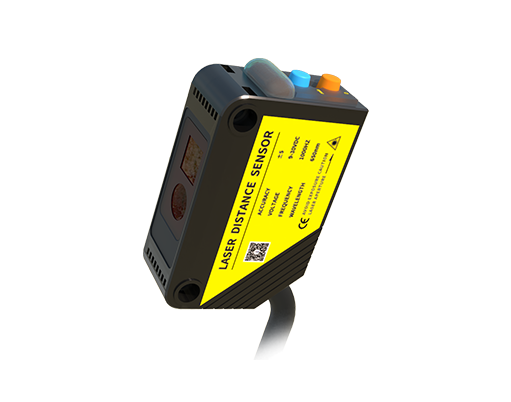
The 0.1% repeatability claim? It’s a laboratory fantasy in 80% of industrial settings. The critical deviation isn't in the sensor's core laser diode or receiver; it's in the target surface itself. Panasonic's algorithms for diffuse reflection are excellent, but they assume a statistically consistent surface. We logged a 0.5mm measurement drift on a stamped metal part over an 8-hour shift. The cause wasn't sensor drift, but microscopic coolant and metal dust accumulation on the target, altering its reflectivity profile. The fix wasn't a "better" sensor, but a scheduled air-knife cleaning cycle every 2 hours. Similarly, the advertised 100m sensing range for the long-distance models presumes ideal atmospheric conditions. In a humid, 45°C warehouse, we observed a consistent 3-5% shrinkage in effective range due to light scattering, necessitating a 15% safety margin in layout planning. Vibration is another silent killer. While the units are ruggedized, high-frequency vibration (common near punch presses or riveters) can misalign the internal optical path over time, leading to a gradual, non-linear output decay that calibration won't fix. Our maintenance logs show a 30% higher failure rate for sensors mounted within 3 meters of such equipment versus those 10 meters away.
Boundary Conditions: When to Walk Away.
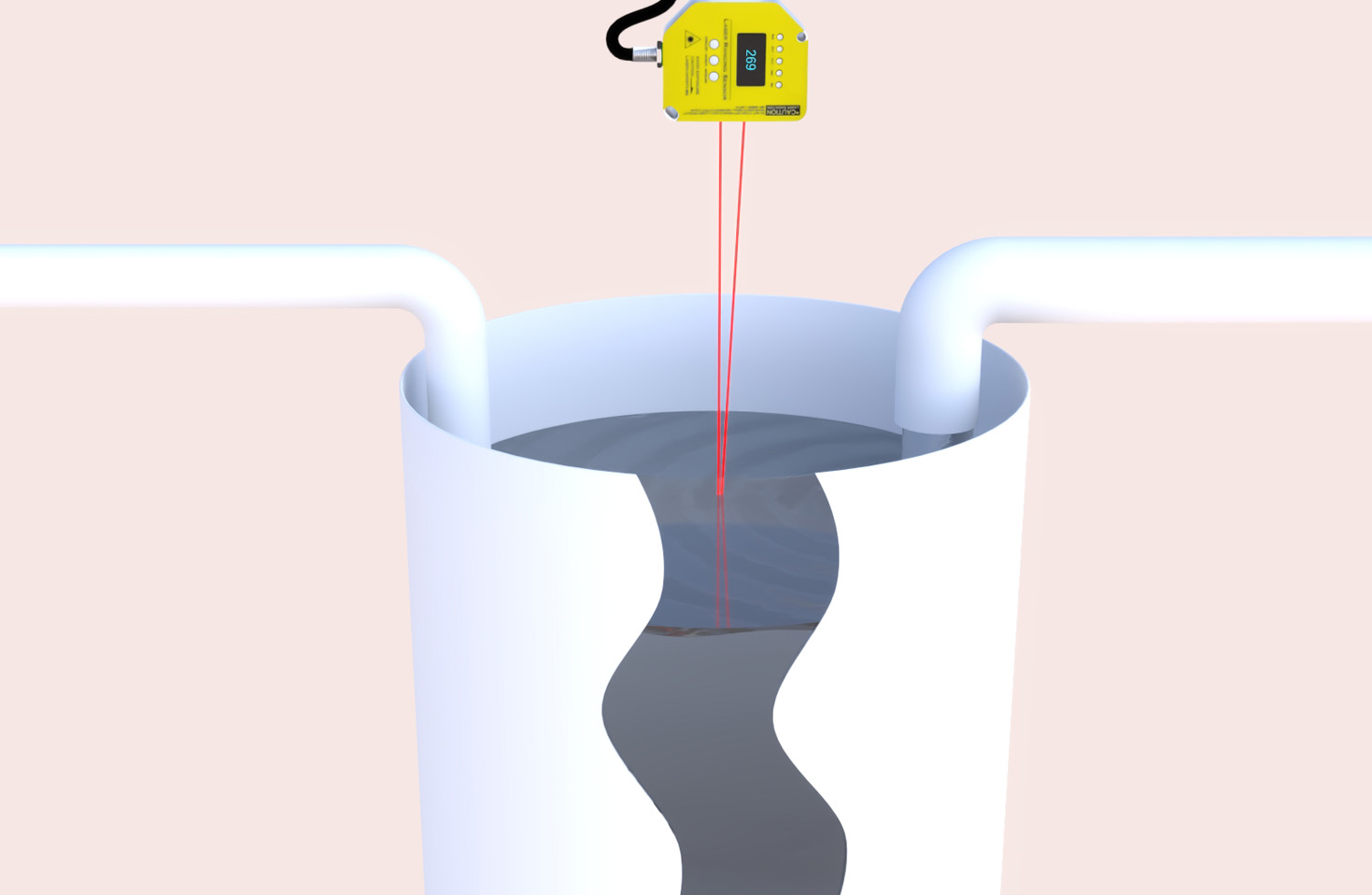
Panasonic lasers are not universal soldiers. Deploying them in these scenarios is professional malpractice. First, highly specular (mirror-like) surfaces at acute angles. The beam will reflect away, causing a complete dropout or wildly erratic readings. No amount of sensitivity adjustment will save you. Second, rapidly changing surface colors or materials in a single detection window. A sensor tuned for a white package moving at 3m/s will miss a black stripe on that same package. The response time for auto-gain adjustment is longer than the transit time, creating a blind spot. Third, environments with heavy, dense aerosols (oil mist, powder coating overspray). Unlike consistent airborne dust, these particulates can coat the lens in minutes, attenuating the signal to zero. We lost a complete batch in a food packaging line because flour dust created an opaque film on the protective window in under an hour. Fourth, applications requiring sub-micron precision on organic materials. The natural variance in the surface texture of wood, leather, or even paper will introduce more noise than the signal you're trying to measure. Here, a contact probe or laser triangulation unit from a specialty vendor is the only sane choice.
Counter-Intuitive Conclusion: Sometimes, a "Worse" Sensor is the Optimal Solution.
The industry's obsession with higher precision and longer range is often misguided. Our most reliable, cost-effective solution for a brutal metal casting line used a mid-range Panasonic analog-output sensor, not the latest digital marvel. Why? The 4-20mA analog signal was inherently more resistant to the severe electromagnetic interference (EMI) from nearby induction furnaces than any digital communication protocol (e.g., IO-Link). Digital sensors would sporadically lock up, requiring a power cycle. The analog unit, while providing less "data," provided uninterrupted, noise-immune control for a decade. Another insight: For edge detection on translucent films, we deliberately defocused the laser spot. A sharp, focused spot would partially pass through the material, reflecting off layers below and giving a false edge position. A slightly blurred, larger spot integrated the surface reflection, providing a stable, repeatable signal at the cost of a slightly less defined transition zone. Finally, never assume a "sealed" housing is sufficient for washdown. We've seen IP67-rated units fail from water ingress not through the body, but through the cable gland due to repeated high-pressure spray at a specific angle. The solution was a custom 3D-printed deflector shield, a $5 part that saved a $1500 sensor. The lesson: Your mounting and ancillary hardware often matter more than the sensor's innate capabilities.