In the world of industrial automation and machine design, magnetic proximity sensors are indispensable components. They provide non-contact detection of ferrous metal objects, offering reliability in harsh environments where optical or capacitive sensors might fail. With numerous manufacturers and suppliers in the market, determining which one is the best for your specific needs can be a complex task. The answer is rarely a single brand name; it hinges on a careful evaluation of your application's requirements against a supplier's capabilities.
The first and most critical step is to define your application parameters with precision. What is the required sensing distance? Magnetic sensors typically have shorter ranges than some other types, so understanding the exact gap needed is crucial. Consider the target material—it must be ferromagnetic. What is the operating environment? Will the sensor be exposed to extreme temperatures, heavy vibration, washdowns with corrosive chemicals, or strong external magnetic fields? The required electrical output, such as PNP, NPN, analog, or IO-Link, and the physical housing style (barrel, rectangular, ring) are equally important. A clear specification sheet is your primary tool for comparison.
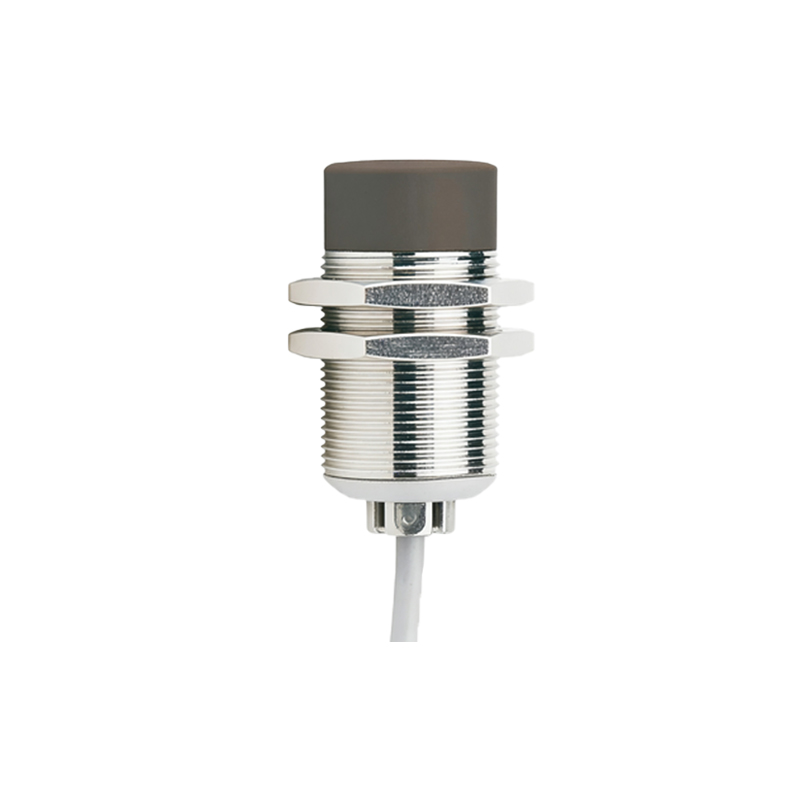
Once your needs are defined, you can assess suppliers against several key pillars. Product quality and reliability are non-negotiable. Look for suppliers with a proven track record and robust quality management systems, often indicated by certifications like ISO 9001. Examine the technical specifications in detail. The best suppliers provide clear, comprehensive, and honest datasheets that include not just ideal performance metrics but also derating curves for temperature, housing materials, and protection ratings like IP67 or IP69K for durability.
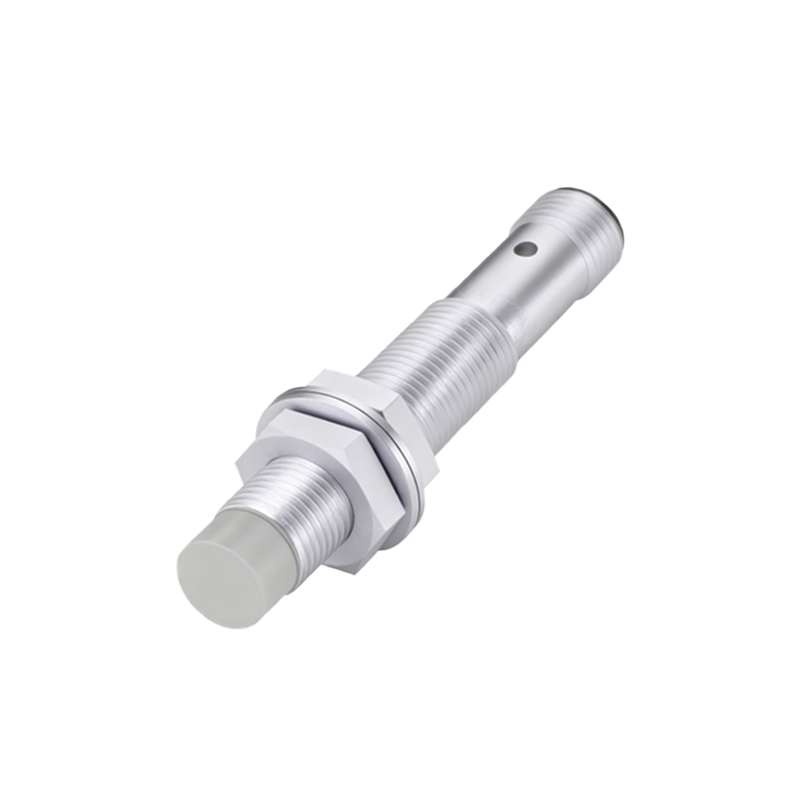
The breadth and depth of the product portfolio is another significant factor. A top-tier supplier doesn't just offer one type of magnetic sensor. They provide a range: standard barrel sensors, compact rectangular designs, long-range sensors, analog output versions for position sensing, and sensors with advanced diagnostics. This variety allows for future-proofing and sourcing multiple components from a single, reliable partner, simplifying logistics and support.
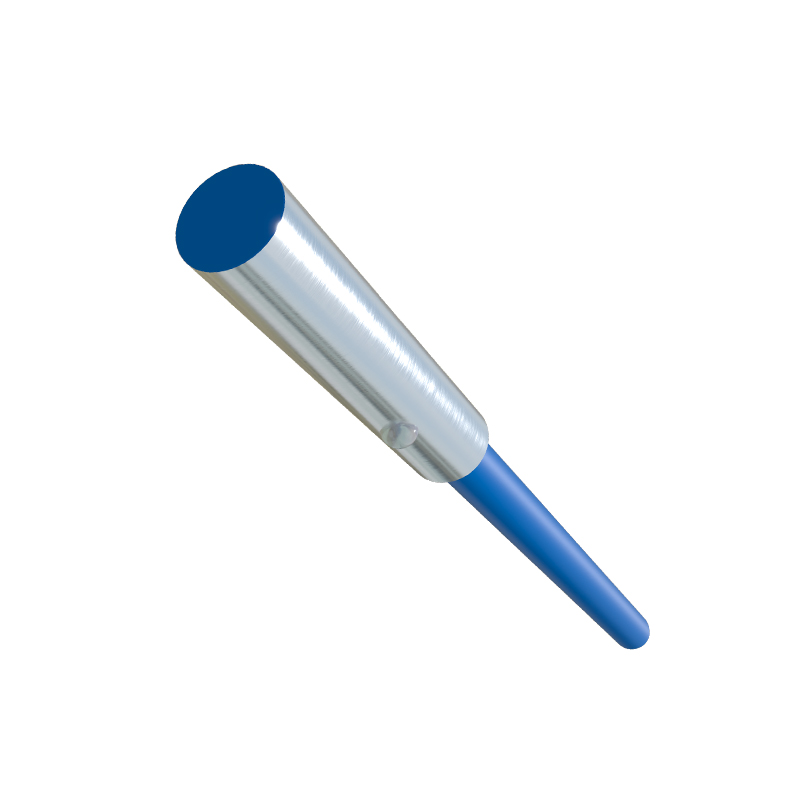
Technical support and service are where many suppliers differentiate themselves. The best companies offer more than just a sales contact. They provide accessible engineering support, detailed CAD models for easy integration into your designs, comprehensive application notes, and responsive customer service. Consider the supplier's global footprint and local distribution network if your operations are international. Availability of stock and lead times for standard and custom products can dramatically impact your production schedules.
Finally, while cost is always a consideration, it should be evaluated in the context of total cost of ownership. A slightly cheaper sensor that fails prematurely or causes machine downtime can be far more expensive than a higher-quality, reliable alternative. The best suppliers offer competitive pricing that reflects the value of their product's reliability, features, and the support ecosystem behind it.
In conclusion, the question of which magnetic proximity sensor supplier is best does not have a universal answer. The optimal choice is the supplier that most closely aligns with your specific technical, operational, and commercial requirements. It is the one that offers a reliable, well-documented product from a robust portfolio, backed by strong technical expertise and support, delivering true value over the sensor's entire lifecycle. Diligent research and cross-referencing your needs against these criteria will lead you to the right partnership.