In today's rapidly advancing technological landscape, proximity sensors have become ubiquitous, silently operating in countless devices we interact with daily. A proximity sensor video serves as a powerful visual tool to demystify these components, showcasing their principles, types, and real-world applications in an engaging and easily digestible format. Unlike static diagrams or textual descriptions, video content brings the functionality of proximity sensors to life, making complex concepts accessible to engineers, students, and hobbyists alike.
At its core, a proximity sensor is a device that detects the presence or absence of an object within a certain range without any physical contact. The working principle typically involves emitting an electromagnetic field or a beam of radiation, such as infrared light, and then looking for changes in the field or return signal. A well-produced proximity sensor video will visually illustrate this process, often using animations to show the emission and reflection of signals. For instance, it can demonstrate how an inductive sensor detects metallic objects by generating an oscillating electromagnetic field, or how a capacitive sensor reacts to both metallic and non-metallic objects by measuring changes in capacitance.
There are several main types of proximity sensors, each suited for different materials and environments. Inductive sensors are ideal for detecting metallic objects and are widely used in industrial automation. Capacitive sensors can detect a wider variety of materials, including liquids and plastics, making them useful in level detection and touch-sensitive applications. Photoelectric sensors use light beams, and ultrasonic sensors employ sound waves for detection over longer distances. A comprehensive proximity sensor video will compare and contrast these types, using clear visual examples to show their distinct operational zones, sensing ranges, and typical installation scenarios. Seeing a capacitive sensor ignore a piece of wood but detect a hand, or an ultrasonic sensor measuring the distance to a moving object on a conveyor belt, provides immediate understanding that pages of text cannot match.
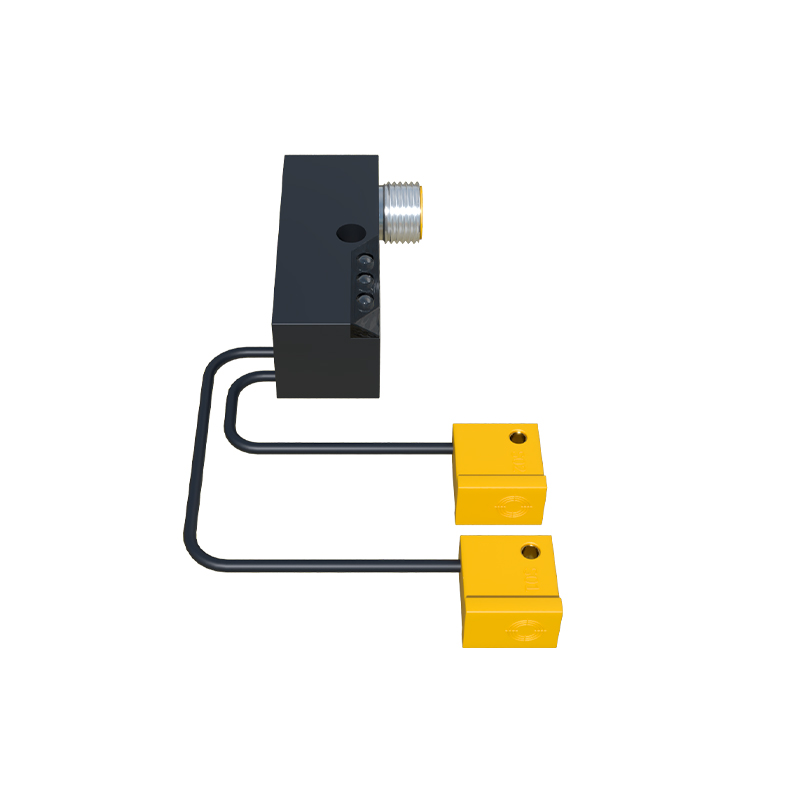
The applications featured in these videos are vast and varied. In the consumer electronics sector, videos often show how proximity sensors in smartphones prevent accidental screen touches during calls by detecting the presence of the user's ear. In automotive systems, they demonstrate how sensors enable parking assistance features, detecting obstacles around a vehicle. Industrial applications are a major focus, with videos depicting sensors in manufacturing lines for object counting, position verification, and machine safety, ensuring robotic arms stop before colliding with an operator. Other compelling applications include interactive museum displays, automatic faucets and soap dispensers in public restrooms, and anti-collision systems in drones.
When creating or seeking out a high-quality proximity sensor video, several key elements contribute to its educational value. The production should have clear, high-resolution footage or animations. Narration or on-screen text should be concise and accurate, explaining the "how" and "why" behind what is being shown. Practical demonstrations, such as wiring the sensor to a microcontroller like an Arduino or Raspberry Pi and writing a simple code to read its output, are incredibly effective for a hands-on learning audience. Troubleshooting common issues, like interference or incorrect sensing range adjustment, can also be a valuable segment.
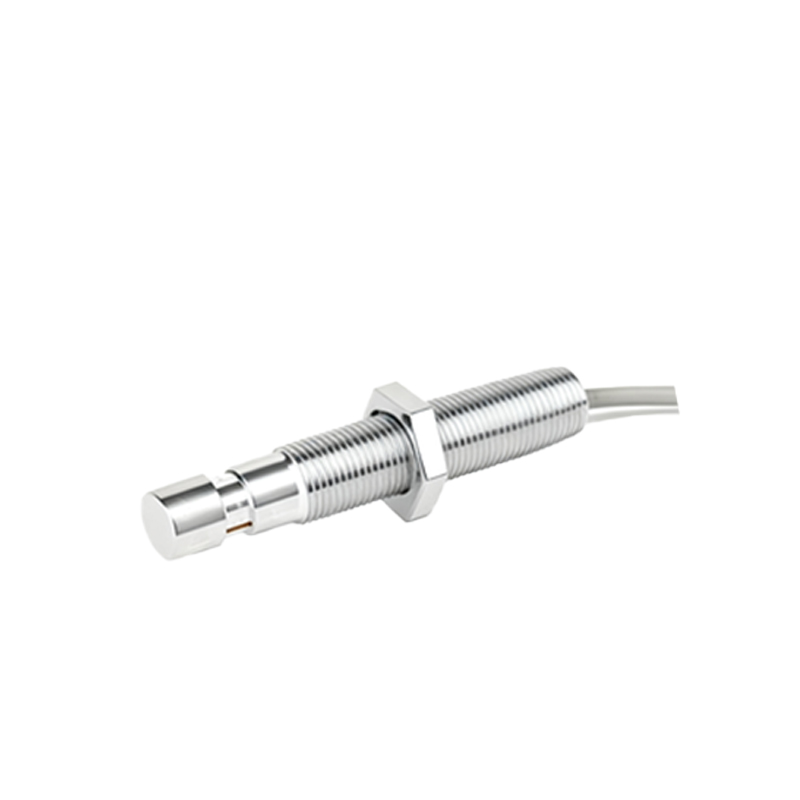
For professionals and enthusiasts, these videos are more than just tutorials; they are decision-making aids. Before selecting a sensor for a project, watching a video that compares the response time, environmental robustness (against dust, moisture, or temperature), and output types (PNP vs. NPN, analog vs. digital) of different models can be invaluable. It allows viewers to visually assess the sensor's size, mounting options, and LED indicator behavior, which are crucial for integration into a final design.
In conclusion, proximity sensor videos bridge the gap between theoretical data sheets and practical implementation. They transform abstract specifications into tangible, observable behavior. Whether for educational purposes, professional development, or project inspiration, this visual medium plays a critical role in disseminating knowledge about these fundamental components of modern automation and smart device design. By leveraging the power of video, individuals and industries can better understand, select, and innovate with proximity sensing technology, driving further integration of these invisible yet essential devices into our interconnected world.