Proximity sensors are indispensable components in modern automation, robotics, and consumer electronics. Their ability to detect the presence or absence of an object without physical contact makes them vital for countless applications. However, selecting the right sensor hinges on a deep understanding of its specifications. This guide delves into the key parameters that define a proximity sensor's performance and suitability for a given task.
The primary specification is the sensing distance. This is the maximum distance at which the sensor can reliably detect a standard target. It is crucial to note that this value is typically defined under ideal laboratory conditions (e.g., a specific metal type for inductive sensors). In real-world applications, factors like target material, size, shape, and environmental conditions can significantly reduce the effective sensing range. Always consult derating curves in the datasheet.
Closely related is the repeatability or sensing precision. This parameter indicates how consistently the sensor can detect an object at the same point. It is usually expressed as a percentage of the sensing distance or as an absolute value (e.g., ±0.01mm). High repeatability is critical in precision assembly, positioning, and counting applications where minute variations matter.
The response time or switching frequency defines how quickly the sensor can react to a change in the target's presence. It is often given as a maximum frequency in Hertz (Hz) or as a time delay (e.g., 0.5ms). A fast response time is essential for high-speed production lines, packaging machinery, or any application involving rapidly moving objects. Conversely, a slower sensor might be sufficient for basic object detection on a conveyor belt.
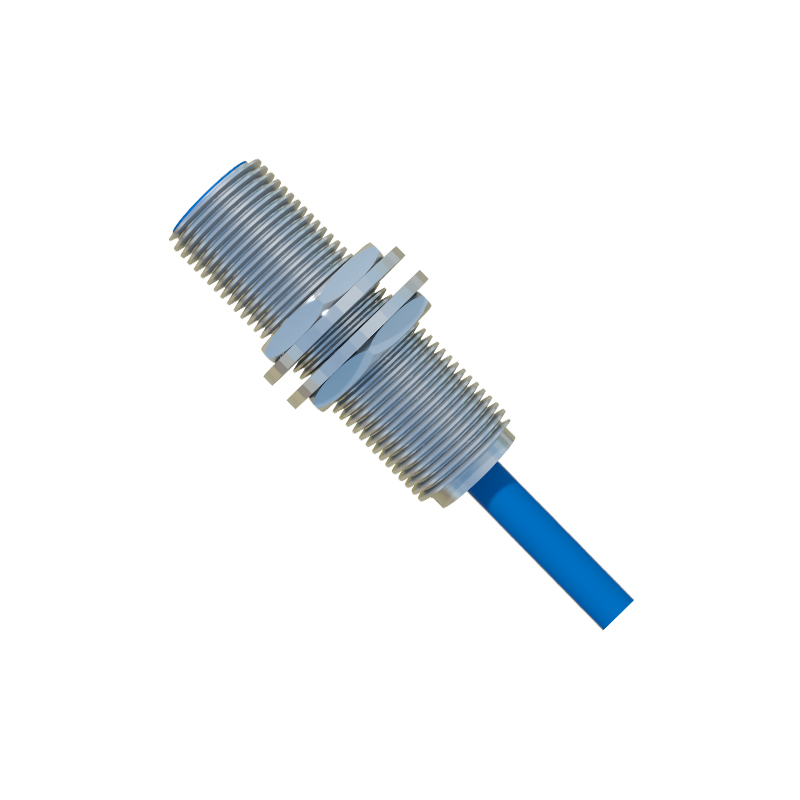
Output type is a fundamental electrical specification. The two main categories are digital (discrete) and analog. Digital outputs, typically in the form of an NPN (sinking) or PNP (sourcing) transistor, provide a simple ON/OFF signal. Analog outputs (e.g., 0-10V, 4-20mA) provide a continuous signal proportional to the distance to the target, enabling precise distance measurement and grading applications. The choice depends entirely on the needs of the control system.
Hysteresis is a less-discussed but important characteristic. It is the difference between the operating point (when the target approaches and the output switches) and the release point (when the target moves away and the output resets). Hysteresis prevents output chatter or oscillation when a target is positioned right at the edge of the sensing range, ensuring stable switching in the presence of vibration or minor positional fluctuations.
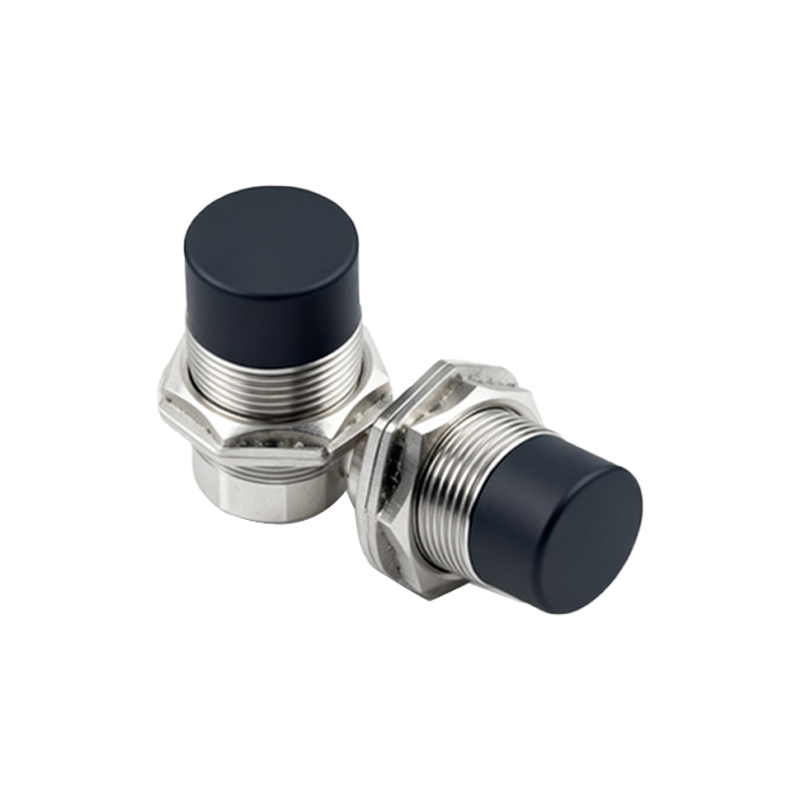
Environmental ratings are non-negotiable for reliability. The Ingress Protection (IP) rating (e.g., IP67) indicates the sensor's resistance to dust and liquids. For wash-down environments in food processing or outdoor use, a high IP rating is mandatory. Similarly, temperature range specifications define the operational and storage limits of the device. Exceeding these limits can lead to premature failure or inaccurate readings.
For inductive proximity sensors (which detect metals), the target material factor is critical. The rated sensing distance is usually calibrated for mild steel. For other metals like stainless steel, aluminum, or copper, the effective sensing distance will be reduced. Datasheets provide correction factors to calculate the actual range for different metals.
Finally, physical specifications such as housing material (e.g., stainless steel, PBT plastic), size, and connection type (pre-wired cable or quick-disconnect) must align with the mechanical and installation constraints of the application. A chemically resistant housing might be required in aggressive environments, while a compact size is key in space-limited designs.
In conclusion, a proximity sensor is more than just its sensing range. A holistic evaluation of repeatability, speed, output type, environmental robustness, and application-specific factors like target material is essential. By meticulously cross-referencing these specifications with the actual operating conditions, engineers and designers can ensure optimal performance, longevity, and reliability in their systems, avoiding costly downtime or rework.