Forget the list price. The real cost of a proximity sensor is a function of its failure. After two decades specifying, installing, and cursing at these devices in everything from food processing plants to offshore rigs, I can tell you that the procurement invoice is the smallest line item. Let's cut the marketing fluff and talk about the three dimensions that actually determine your total cost of ownership.
Experience Correction: The Gaps Between Spec Sheet and Sweaty Reality
Theoretical sensing ranges and IP ratings are laboratory fantasies. Take the ubiquitous inductive sensor rated for 15mm range on mild steel. In reality, that range collapses by up to 50% when targeting austenitic stainless steel (304, 316). You're not sensing distance; you're sensing eddy current generation. For capacitive sensors, the advertised sensitivity to non-metals is a nightmare waiting to happen. A layer of condensation, grease film, or dust accumulation can shift the dielectric constant enough to cause false triggering or a dead channel. I've seen "reliable" capacitive sensors fail because the humidity changed on the factory floor. The correction? Derate everything. If you need a 10mm range, buy a 20mm-rated sensor. For IP67, assume it's IP54 after six months of thermal cycling and chemical exposure. Your cost isn't the sensor; it's the downtime from unplanned stops when the "sealed" unit fills with coolant.
Boundary Conditions: When to Walk Away
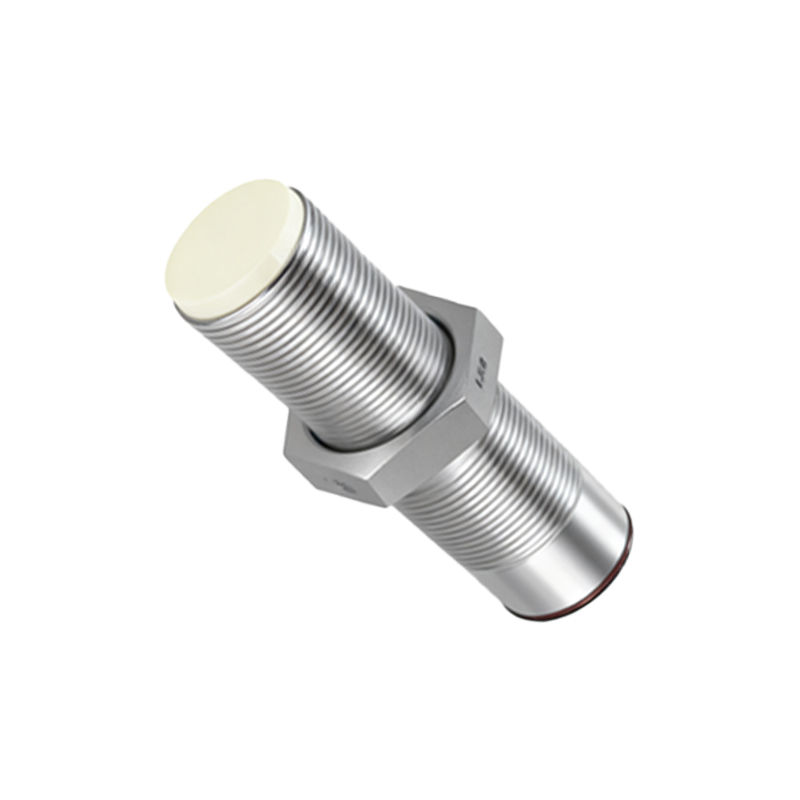
Proximity sensors are not universal solutions. Deploying them in these scenarios is professional malpractice:
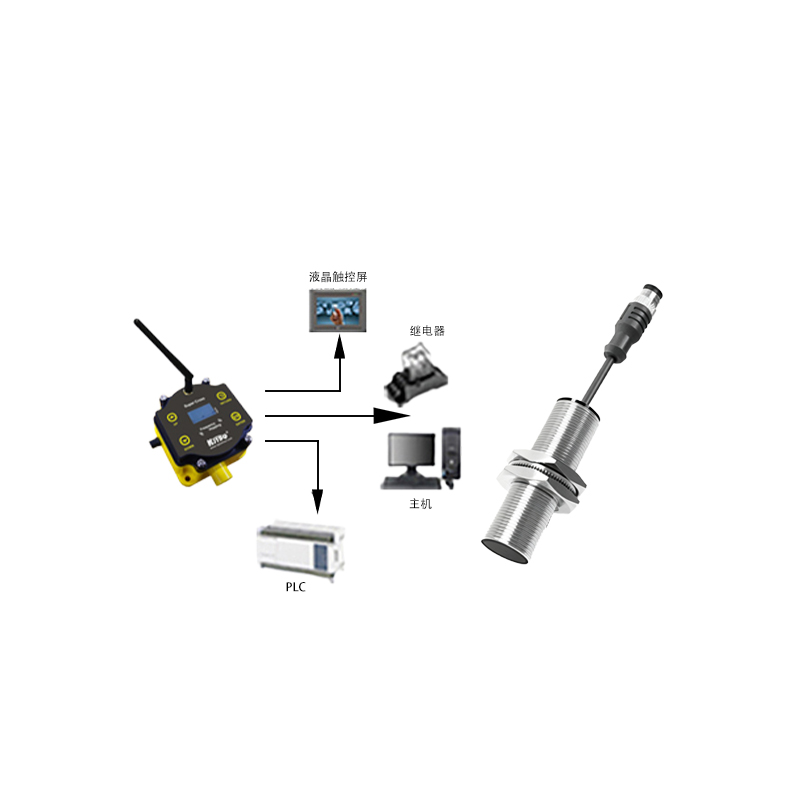
1. Extreme Dynamic Environments: High-speed reciprocating or vibrating targets (e.g., >100Hz). The mechanical stress on the sensor housing and internal components will lead to premature weld fractures or crystal failure in oscillating circuits. Use optical encoders instead.
2. Metallic Swarf or Dust Environments: Inductive sensors in machining centers will eventually attract a beard of ferrous chips. This can create a false "target present" signal, leading to catastrophic machine crashes. The solution isn't a "better" inductive sensor; it's a completely different sensing principle (e.g., pressure-sensitive mats or ultrasonic) or aggressive physical shielding.
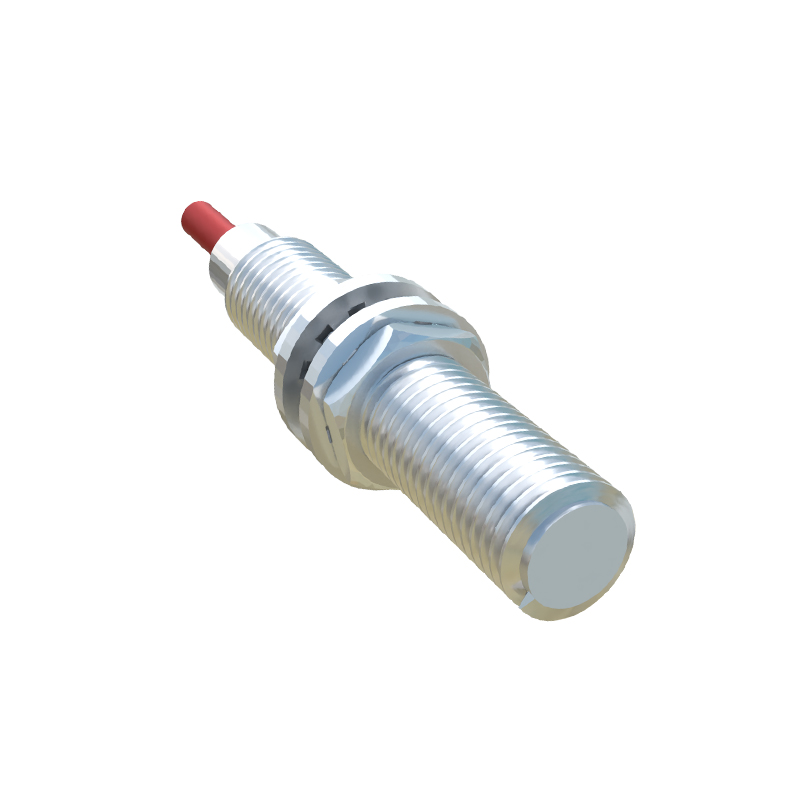
3. Target Material Inconsistency: If your target material varies—say, aluminum castings with varying silicon content or plastic containers with fluctuating wall thickness—forget consistent performance. The variance in conductivity or dielectric constant will yield an unacceptable signal drift. The cost here is scrap and quality control hell.
4. Direct High-Current Cable Runs: Running sensor cables in trays with 480VAC motor leads is a recipe for induced voltage noise. I've diagnosed countless "ghost" signals traced back to electromagnetic interference, despite using shielded cables. The fix—conduit separation, ferrite cores—adds immense hidden installation cost.
Counter-Intuitive Conclusion: The Cheapest Sensor is Often the Most Expensive, But Not Always
The common wisdom is to never buy the cheapest option. However, my data from auditing maintenance logs shows a more nuanced picture. For non-critical, benign environments (e.g., counting cardboard boxes on a clean, slow conveyor), the budget-brand sensor often has a lifecycle cost within 5% of the premium brand. The failure mode is usually total cessation, which is predictable and allows for bulk, scheduled replacement. The real financial sinkhole is the mid-tier "feature-rich" sensor in a high-stakes application. You pay 40% more for "advanced diagnostics" and "extended range," but when it fails—and it will—the failure is often intermittent or provides misleading diagnostic data, burning hundreds of engineering hours in troubleshooting. The insight: Match the sensor's failure mode profile to your cost of diagnosis. For critical processes, spend heavily on sensors with unambiguous, hard-fail outputs. For background tasks, commoditized simplicity wins. The ultimate cost is the hours spent deciphering a "smart" sensor's blinking LED while a production line is idle.
The invoice is just the entry fee. The real cost is embedded in the installation labor to mitigate its weaknesses, the production lost to its unexpected failures, and the engineering time to decode its erratic behavior. Choose based on how it fails, not how it's promised to work.