In the realm of industrial automation and motor control, precision, reliability, and safety are non-negotiable. Proximity sensors for motors play a pivotal, yet often understated, role in ensuring these critical parameters are met. These devices are the silent sentinels, providing essential feedback on the position, speed, and operational status of electric motors without any physical contact. Their integration into motor systems is fundamental for optimizing performance, preventing catastrophic failures, and enabling sophisticated automated processes.
Unlike traditional mechanical limit switches, motor proximity sensors operate on various non-contact principles. The most common types include inductive, capacitive, and magnetic (Hall-effect) sensors. Inductive proximity sensors are the workhorses for detecting metallic motor components, such as gear teeth, shaft ends, or mounting brackets. They generate an electromagnetic field; when a metal target enters this field, it induces eddy currents, causing a change in the sensor's oscillation amplitude, which is then converted into a switching signal. This makes them ideal for detecting the presence or absence of a motor's rotor, counting revolutions, or identifying specific angular positions.
For applications involving non-metallic targets or requiring detection through certain materials, capacitive proximity sensors are employed. They can sense materials like plastics, liquids, or even detect the level of lubricants in a motor housing. Magnetic proximity sensors, utilizing the Hall effect, are exceptionally suited for detecting the magnetic fields of permanent magnets embedded in motor rotors. This technology is crucial in brushless DC (BLDC) motors and servo motors for precise commutation and speed control, forming the backbone of their electronic commutation systems.
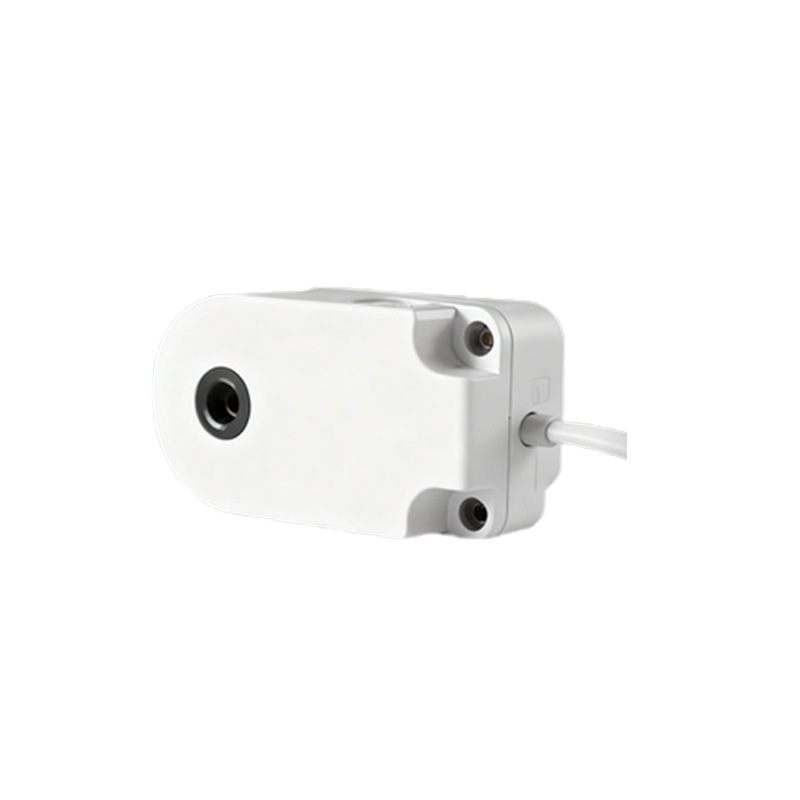
The benefits of integrating these sensors with motors are substantial. Firstly, they enable precise positioning control. In automated machinery, knowing the exact position of a motor-driven actuator is paramount. Proximity sensors provide real-time, repeatable feedback, allowing for highly accurate stops, starts, and positional adjustments. This precision is vital in applications like robotic arms, CNC machines, and conveyor systems.
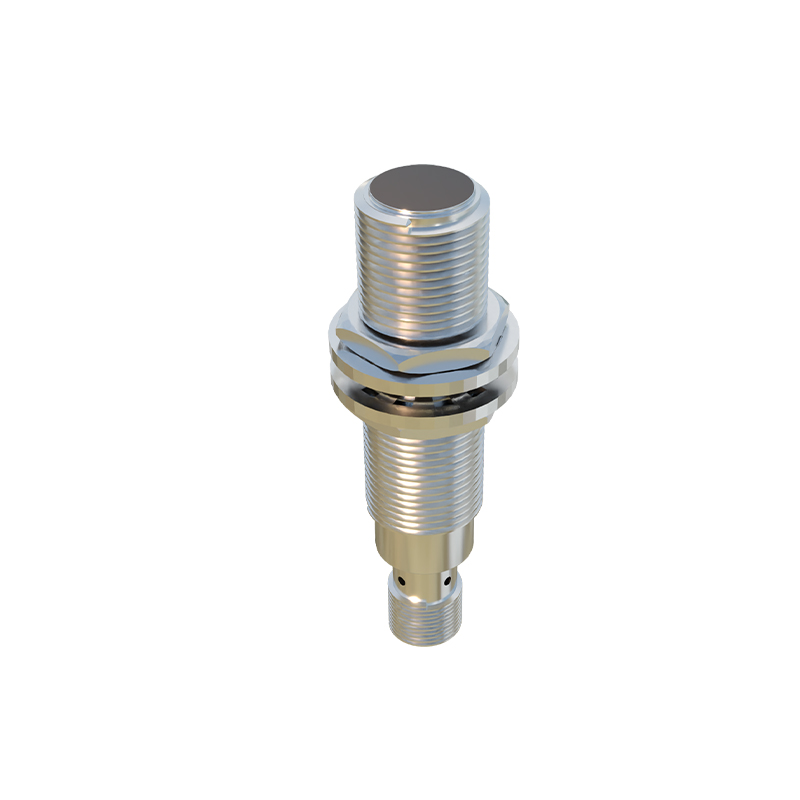
Secondly, they are instrumental in speed monitoring and control. By counting pulses from a sensor aimed at a rotating gear or a marked shaft, the rotational speed of the motor can be accurately calculated. This data is fed back to the motor controller to maintain a constant speed under varying loads or to implement complex speed profiles, enhancing process consistency.
Thirdly, and perhaps most critically, they enhance operational safety and equipment protection. Proximity sensors can act as interlock devices. For instance, a sensor can verify that a protective guard is in place before allowing the motor to start. They can also monitor for abnormal conditions, such as excessive vibration indicating bearing wear or detecting when a motor has over-traveled its intended limit, triggering an immediate shutdown to prevent mechanical damage or hazardous situations.
The selection of the appropriate proximity sensor for a motor application depends on several factors. The target material (metal, plastic, magnet), the required sensing distance, environmental conditions (temperature, presence of contaminants like oil or dust), electrical output type (PNP/NPN, analog, IO-Link), and mounting constraints all influence the choice. Modern sensors offer robust designs with IP67/IP69K ratings for harsh environments, high switching frequencies for fast-moving targets, and advanced diagnostics capabilities.
Installation and alignment are crucial for optimal performance. The sensor must be correctly positioned relative to its target to ensure reliable detection within its specified nominal sensing range. Shielding and proper wiring are necessary to avoid electromagnetic interference from the motor itself, which can cause false triggering.
Looking ahead, the evolution of motor proximity sensors is intertwined with trends in Industry 4.0. Smart sensors with integrated microprocessors and communication protocols like IO-Link are becoming standard. These sensors do not just provide a simple on/off signal; they can transmit detailed diagnostic data—such as operating temperature, signal strength, and remaining lifespan—to a central control system. This facilitates predictive maintenance, where potential motor issues can be identified and addressed before they lead to unplanned downtime.
In conclusion, proximity sensors are indispensable components in modern motor-driven systems. They transform a simple rotating machine into an intelligent, controllable, and safe element of an automated process. By providing critical, contactless feedback, they ensure motors operate efficiently, accurately, and reliably, forming a fundamental link in the chain of industrial automation and smart manufacturing. Their continued advancement will further push the boundaries of motor control precision and system intelligence.