Proximity sensors have become indispensable components in modern industrial automation, consumer electronics, and automotive systems. This research report provides a comprehensive analysis of the current market landscape, technological innovations, key applications, and future growth trajectories for these critical sensing devices. The global proximity sensor market is experiencing robust expansion, driven by the accelerating adoption of Industry 4.0 principles, the proliferation of smart devices, and stringent safety regulations across various sectors.
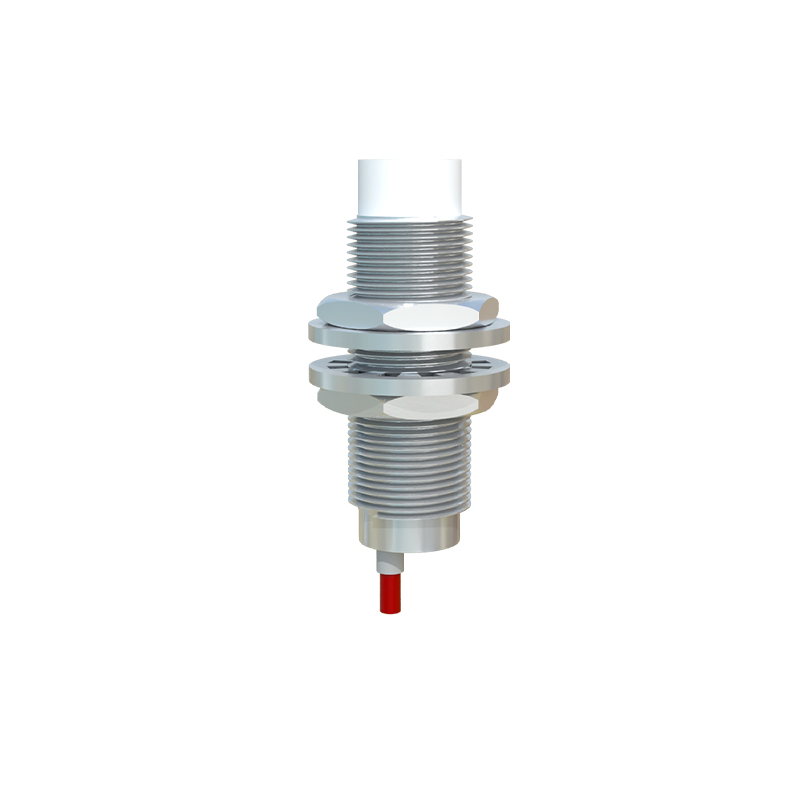
Technologically, the market is segmented primarily by type: inductive, capacitive, photoelectric, and magnetic proximity sensors. Inductive sensors remain the dominant force in industrial environments for detecting metallic objects, prized for their durability, high switching rates, and resistance to harsh conditions like dust, oil, and coolant. Recent advancements focus on increasing their sensing ranges and developing ultra-miniaturized versions for compact machinery. Capacitive sensors, capable of detecting both metallic and non-metallic materials, are seeing enhanced demand in packaging, liquid level detection, and touch-sensitive interfaces. Innovations here are geared towards improved sensitivity tuning and noise immunity.
Photoelectric sensors are undergoing significant evolution with the integration of advanced optics and smarter onboard diagnostics. Laser-based versions offer exceptional precision for alignment and inspection tasks, while background suppression models improve reliability in complex environments. A notable trend is the convergence of sensing and connectivity, leading to the rise of IO-Link enabled proximity sensors. These "smart sensors" facilitate parameter configuration, condition monitoring, and predictive maintenance by transmitting detailed process and diagnostic data directly to control systems, reducing downtime and streamlining operations.
The automotive industry represents a major growth pillar. Proximity sensors are fundamental to advanced driver-assistance systems (ADAS), enabling features like parking assistance, blind-spot detection, and collision avoidance. The transition towards autonomous vehicles is pushing the development of sensors with higher accuracy, faster response times, and enhanced resilience to environmental interference like rain or fog. In consumer electronics, the demand for miniaturized, low-power sensors continues unabated, driven by smartphones, tablets, and wearable devices for features such as automatic screen blanking and gesture recognition.
Regionally, Asia-Pacific holds the largest market share and is projected to be the fastest-growing region. This dominance is fueled by massive manufacturing bases, particularly in China, Japan, and South Korea, alongside rising investments in industrial automation. North America and Europe follow, with growth strongly linked to automotive innovation and the modernization of existing industrial infrastructure.
Despite optimistic prospects, the industry faces challenges. Price pressure remains intense, especially in standardized, high-volume segments. Furthermore, the development of sensors for extreme environments—such as ultra-high temperatures in aerospace or deep-sea applications—requires ongoing material science research. The integration of artificial intelligence for data interpretation at the sensor edge is an emerging frontier, promising even greater autonomy and decision-making capabilities for sensor systems.
Looking ahead, the proximity sensor market is poised for sustained growth. Key drivers will include the expansion of the Internet of Things (IoT), where sensors act as critical data acquisition points, and the continued automation of logistics and warehousing. Sustainability concerns are also prompting research into sensors with longer lifespans and reduced energy consumption. In conclusion, proximity sensors are evolving from simple binary switches into intelligent, connected components that are vital for enabling smarter, safer, and more efficient automated systems across the global economy.