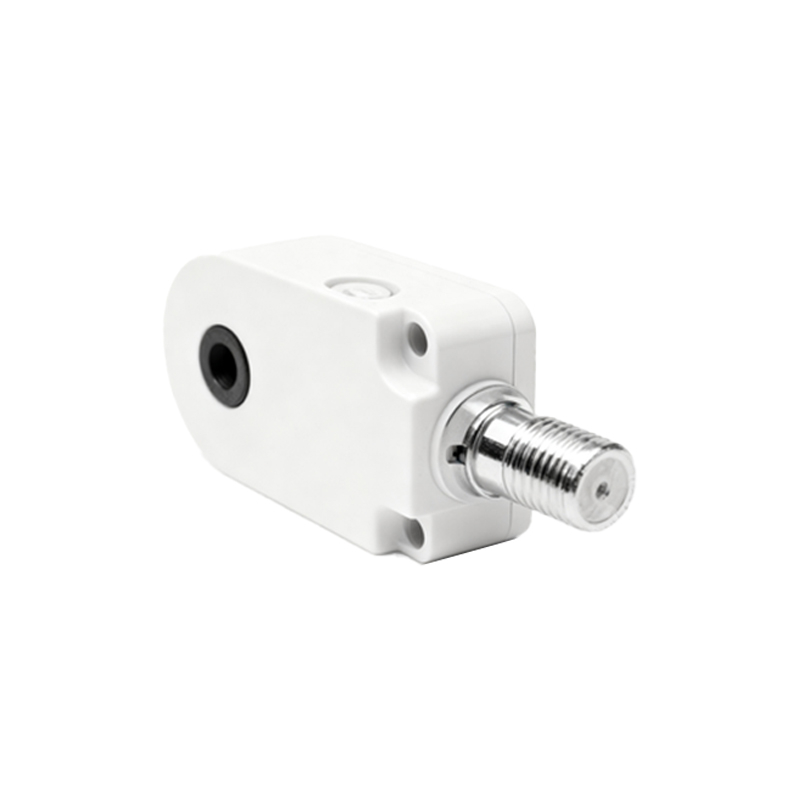
In the world of industrial automation and machinery, proximity sensors play a critical role in detecting the presence or absence of objects without physical contact. A frequently overlooked, yet fundamentally important aspect of these sensors is their threaded housing. The thread is not merely a mechanical feature for mounting; it defines the sensor's compatibility, environmental sealing, and installation integrity. Understanding proximity sensor threads is essential for engineers, technicians, and procurement specialists to ensure optimal system performance and reliability.
Proximity sensors typically utilize standardized metric or imperial threads. The most common metric threads are defined by the ISO standard, such as M8, M12, M18, and M30. The "M" denotes metric, and the number indicates the nominal outer diameter of the thread in millimeters. For instance, an M12 sensor has a thread with a 12mm major diameter. These are prevalent in European and globally designed equipment. Imperial threads, often referred to as Unified National threads (UNF or UNC), include sizes like 1/2"-20 UNF or 3/4"-16 UNF, where the first number is the diameter in inches and the second is the number of threads per inch. These are more common in North American machinery.
Beyond size, the thread pitch is crucial. Fine threads (more threads per unit length) offer better adjustment precision and vibration resistance, while coarse threads allow for quicker installation. The thread type also dictates the sealing method. Many cylindrical inductive proximity sensors feature a thread designed to accommodate a locking nut and a sealing washer, often an O-ring or a bonded seal. For harsh environments, sensors with a "P" prefix (e.g., M12 x 1 P) indicate a cylindrical design with a metric thread and a polyamide (plastic) housing, which often incorporates integrated sealing.
Another critical standard is the NPT (National Pipe Taper) thread. NPT threads are tapered, meaning the diameter decreases along the length of the thread. This taper creates a mechanical interference fit when tightened, which is primarily used to create a pressure-tight seal without the need for additional sealing compounds, though sealant tape or paste is often recommended. NPT threads are common in hydraulic and pneumatic systems in the US. It is vital never to force an NPT thread into a straight-threaded hole (like UNF), or vice-versa, as this will damage both the sensor and the mounting.
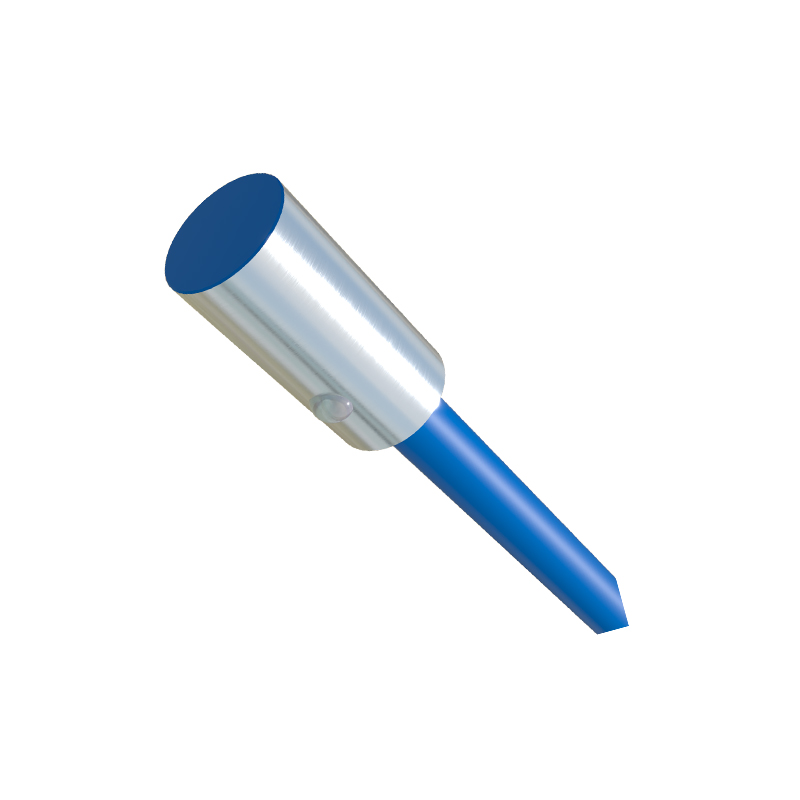
Selecting the correct thread involves several considerations. First, consult the machine's mounting interface specification. Matching the thread is non-negotiable. Second, consider the environment. For washdown areas or outdoor use, a sealed thread connection is paramount. Sensors with integrated O-rings in a groove or those using NPT threads are suitable. The material of the sensor body (e.g., stainless steel, brass, or PBT plastic) also interacts with the thread's durability and corrosion resistance, especially when installed in dissimilar metals to avoid galvanic corrosion.
Installation practices significantly impact performance. For straight metric or UN threads, ensure the mounting hole is tapped correctly to the right depth and class of fit. A shallow hole will not allow the sensor to seat properly, potentially affecting its sensing range and leaving the threads exposed. Always use the supplied locking nut and sealing washer. Tighten the nut firmly against the mounting surface to compress the seal, but avoid over-torquing, which can crack plastic housings or strip threads. For NPT threads, wrap the male threads with PTFE tape in the direction of the threads (usually clockwise) 2-3 times, leaving the first thread exposed. Hand-tighten, then use a wrench for a final turn or two until snug. The sensor should be oriented correctly before final tightening, as the taper makes post-installation adjustment difficult.
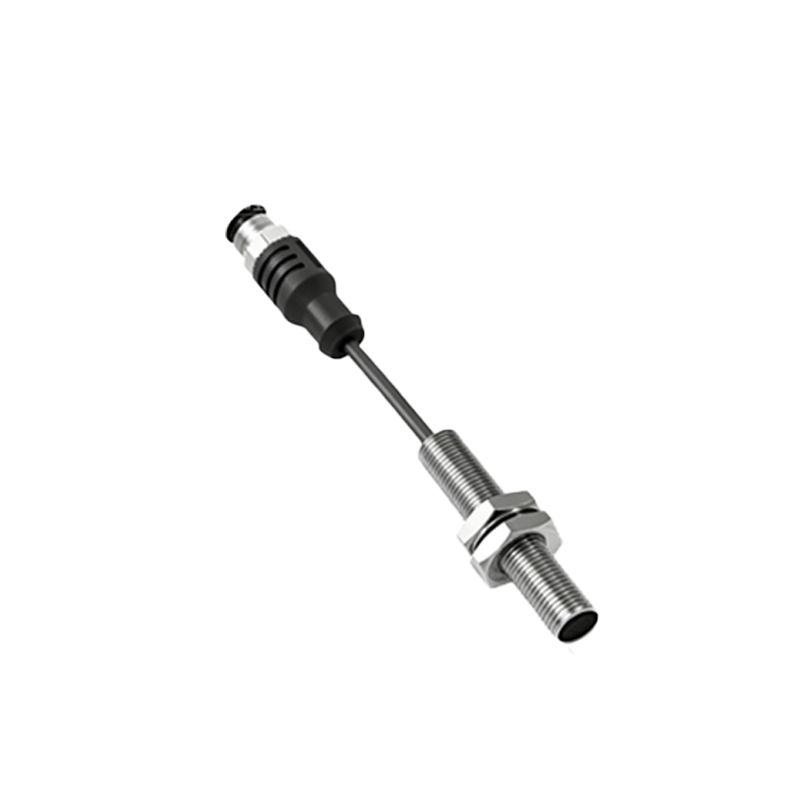
Common pitfalls include cross-threading during installation, which permanently damages the thread. Always start threading by hand to ensure proper alignment. Using an incorrect or missing sealing washer is another frequent error leading to ingress of coolant, dust, or metal chips, causing sensor failure. Ignoring the specified sensing distance relative to the mounting surface is also problematic; a sensor threaded too deep or too shallow may not detect targets reliably.
In summary, the thread on a proximity sensor is a key interface between the sensitive electronic component and the often harsh industrial world. A thorough understanding of thread standards, environmental requirements, and proper installation techniques is not just a detail—it is a fundamental practice for ensuring machine uptime, safety, and longevity. Specifying and handling this simple mechanical feature with care prevents a multitude of operational headaches down the line.