Forget the pristine lab curves. After two decades on factory floors, in mines, and on offshore rigs, I've learned that a pin proximity sensor's true performance is defined by what its datasheet omits. The standard specs—sensing distance, repeat accuracy, IP rating—are a starting point, not a guarantee. The real engineering begins when you confront the gap between theoretical performance and operational reality.
Experience Correction: The Gritty Truth About Specs
The advertised 4mm nominal sensing distance for an M8 inductive sensor? In controlled conditions, it's accurate. Introduce universal industrial contaminants—metal dust, grinding swarf, conductive coolant mist—and that distance can degrade by up to 40%. The issue isn't just physical buildup; it's the formation of a semi-conductive layer on the sensor's face that alters its electromagnetic field, causing false triggers or dead zones. I've documented cases where a sensor rated IP67 failed within weeks in a machining cell not from liquid ingress, but from microscopic ferrous particles sintering onto the face due to ambient heat, creating a permanent shield. The correction: Derate the effective sensing distance by at least 25% for dirty environments and specify sensors with a flush-mounted design and face materials like PTFE or ceramic-coated stainless steel, which resist adhesion. The switching frequency spec is another victim of reality. A 1kHz rating assumes a perfect target. With target misalignment or vibration—common on fast-moving robotic pickers—the effective reliable frequency drops. I never design a system to use more than 60% of the published frequency under dynamic conditions.
Boundary Conditions: Where It Will Fail
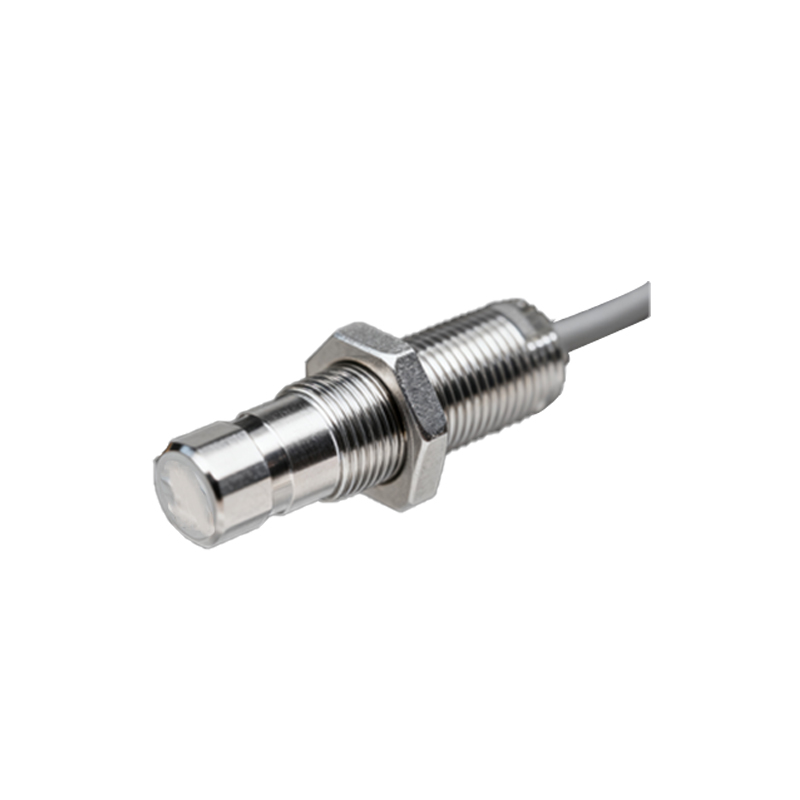
Pin sensors are not universal tools. Their failure in specific scenarios is predictable and often catastrophic.
1. Extreme Electromagnetic Interference (EMI) Fields: Near large variable frequency drives (VFDs), arc welders, or high-power RF sources. The sensor's oscillator can lock onto the external noise, causing permanent "on" state. Shielding is often insufficient. The boundary: Do not install unqualified inductive sensors within 3 meters of such noise sources without extensive in-situ testing under all operational modes.
2. Non-Ferrous Target Applications with High Thermal Drift: Using a standard inductive sensor to detect aluminum or copper targets. The drastically reduced sensing distance is known, but the critical failure mode is thermal drift in the target material's conductivity. A sensor tuned to detect a room-temperature aluminum billet may completely miss the same billet at 120°C coming off a process line, as its eddy current response changes. This is a hard boundary: Avoid standard inductive sensors for precise positioning of non-ferrous objects with variable temperatures.
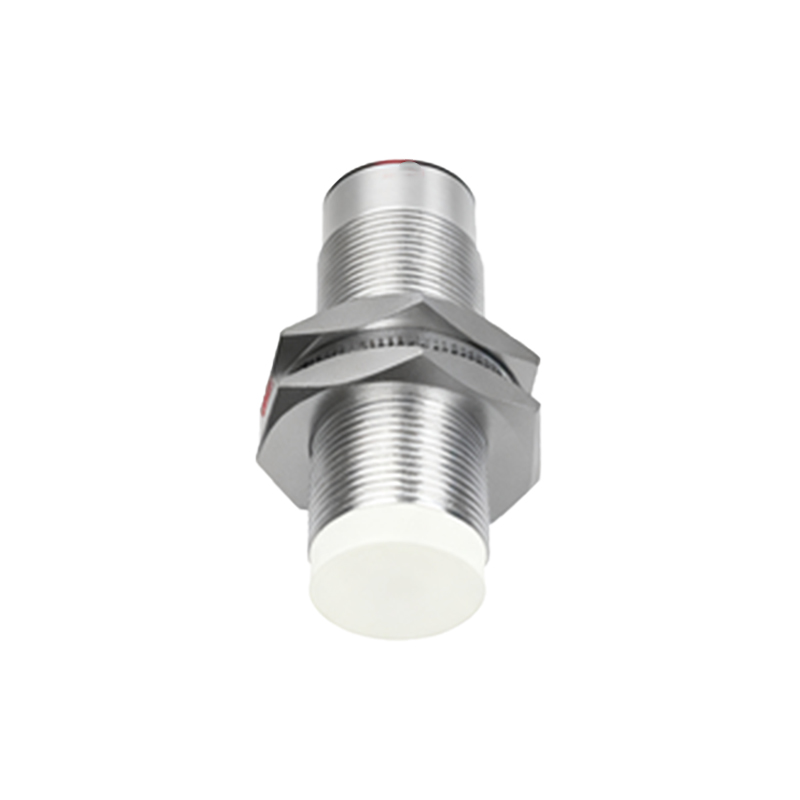
3. High-Speed Impact or Erosive Flow: Pointing a sensor at a stream of abrasive media (e.g., sand, certain plastics) or in a location where it may suffer mechanical impact from workpieces. The stainless-steel face will be eroded or dented, changing its electromagnetic characteristics long before physical breach. The failure is gradual and insidious, leading to erratic performance. The boundary: If direct line-of-sight exposure to particulate flow above 2 m/s is unavoidable, use a recessed mounting with a protective wear sleeve, accepting the consequent sensing distance reduction.
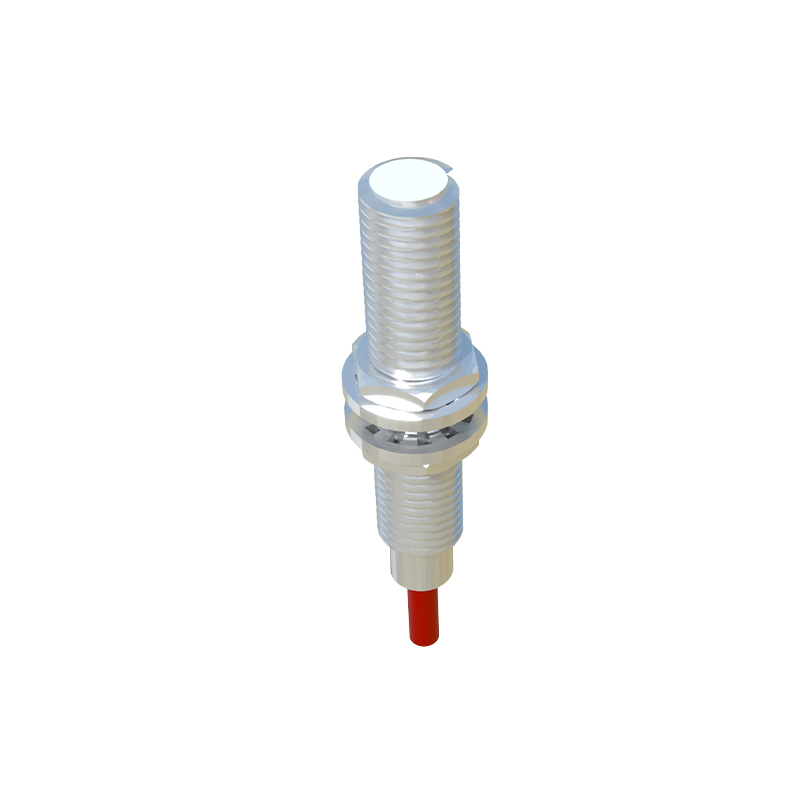
Counter-Intuitive Conclusion: Sometimes a "Weaker" Sensor is More Robust
The industry push is for longer sensing ranges and higher frequencies. However, in dense packaging or near metallic backplanes, a sensor with a shorter, more focused electromagnetic field is superior. A standard 4mm-range sensor can be influenced by the machine's own structure, causing instability. A purposefully "de-tuned" sensor with a 2mm range often provides rock-solid reliability because its field is contained, ignoring background metal. This flies in the face of marketing but is borne out by data: In high-density robotic cell applications, switching to a shorter-range sensor reduced false trigger logs by over 90%. Another non-intuitive insight: In environments with heavy vibration, a sensor with slightly worse repeat accuracy (e.g., ±0.05mm vs. ±0.01mm) but built with a potted electronics module and a physically damped core will outlast and outperform the "high-precision" unit. The precision unit's internal components fatigue and fail from constant micro-vibration, a failure mode not captured in MTBF calculations based on electrical cycles alone. The conclusion is clear: Robustness often trumps optimal specification in the field. Select for construction quality and field-proven design in your specific condition, not just the highest number on the datasheet.