In the intricate dance of modern automation and smart devices, there exists a silent, unseen sentinel: the micro proximity sensor. These diminutive components, often no larger than a grain of rice, are fundamental to the intuitive and responsive interactions we have come to expect from our technology. Operating on the principle of detecting the presence or absence of an object within a specific range without physical contact, they are the cornerstone of countless applications, from consumer electronics to advanced industrial systems.
The core technology behind micro proximity sensors is diverse, each suited to particular needs and environments. Inductive sensors are the workhorses of industrial settings, generating an electromagnetic field to detect metallic objects with remarkable precision and reliability, unaffected by dust or grime. Capacitive sensors, on the other hand, can detect a wider range of materials, including liquids, plastics, and organic matter, by measuring changes in capacitance. For applications requiring exact distance measurement or detection of non-metallic objects, photoelectric sensors emit a beam of light—visible, infrared, or laser—and sense its reflection. Ultrasonic sensors use sound waves, making them ideal for challenging environments with smoke, fog, or varying colors and surfaces.
The "micro" designation is not merely about size; it represents a triumph of miniaturization and integration. Advances in micro-electro-mechanical systems (MEMS) and semiconductor fabrication have enabled these sensors to become incredibly small, power-efficient, and cost-effective. This miniaturization is what allows them to be embedded seamlessly into smartphones, enabling features like automatic screen dimming during a call or turning off the display when placed in a pocket. In wearable devices, they conserve battery by detecting when the device is removed from the wrist.
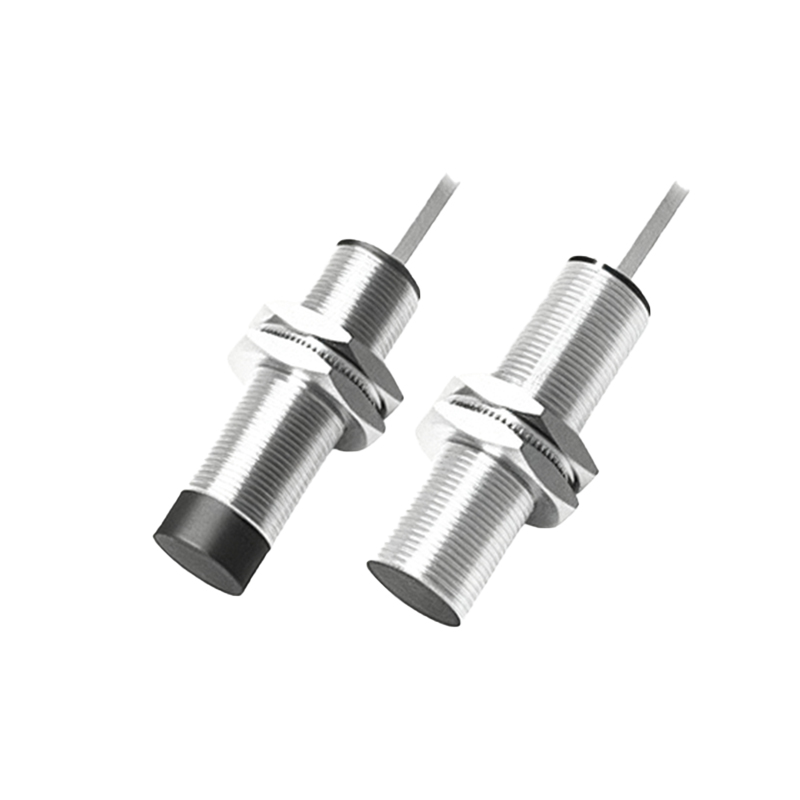
Beyond consumer gadgets, the impact of micro proximity sensors is profound in industrial automation. They are pivotal in robotics for object avoidance and precise positioning, on assembly lines for counting and jam detection, and in packaging machinery for ensuring fill levels. Their non-contact nature means no wear and tear, leading to higher reliability and lower maintenance costs in high-cycle operations. In the automotive sector, they contribute to safety and convenience systems, such as parking assistance, blind-spot monitoring, and touchless trunk opening.
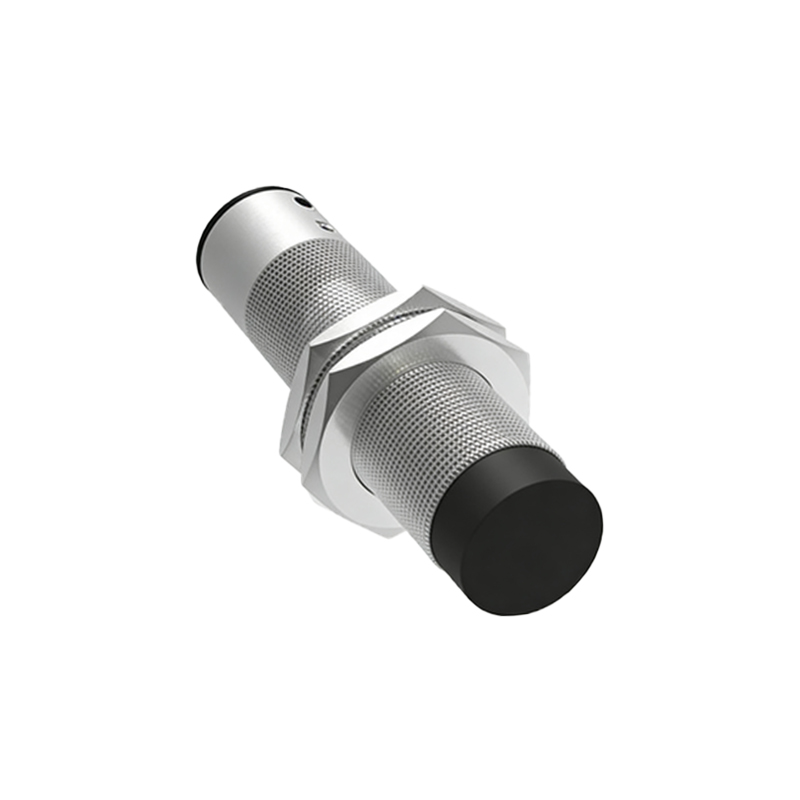
The evolution of the Internet of Things (IoT) and smart infrastructure has further amplified their role. Micro proximity sensors provide the essential contextual awareness for smart systems. In building automation, they enable energy-saving lighting and climate control by detecting room occupancy. In smart retail, they can monitor inventory levels or trigger interactive displays as customers approach. Their low power consumption is critical for battery-operated IoT devices that must function for years without intervention.
However, implementing these sensors is not without consideration. Engineers must carefully evaluate the sensing range, response time, environmental robustness (against factors like temperature, humidity, and electrical noise), and the material of the target object. The choice between sensing technologies is a critical decision that balances performance, cost, and physical constraints.
Looking ahead, the trajectory for micro proximity sensors points toward even greater intelligence and integration. The convergence with artificial intelligence and machine learning will enable sensors to not only detect presence but also classify objects or interpret gestures with higher accuracy. Further miniaturization will open new frontiers in medical devices and micro-robotics. As they become more ubiquitous and connected, these invisible guardians will continue to be a fundamental enabler, making our machines more perceptive, our interactions more natural, and our systems more efficient and safe. Their silent vigilance is a testament to how the smallest components often drive the most significant technological advancements.