In the rapidly evolving landscape of sensor technology, infrared proximity sensors have carved out a critical niche. These devices, which detect the presence or absence of objects within a specific range without physical contact, are fundamental to countless modern applications. From enabling the automatic screen dimming on smartphones to ensuring safety in industrial automation, the demand for reliable and precise infrared proximity sensing is higher than ever. This growth has spurred a competitive and innovative market comprising specialized manufacturers and diversified electronics giants.
The core technology behind these sensors involves emitting an infrared light beam and measuring the reflection from a nearby object. The intensity of the reflected signal determines the object's distance. Key performance metrics include detection range, response time, power consumption, and immunity to ambient light interference. Leading companies continuously invest in R&D to improve these parameters, developing sensors with higher accuracy, smaller form factors, and lower energy demands for battery-operated devices like wearables and IoT products.
Several prominent companies dominate this sector. Vishay Intertechnology, a global giant in discrete semiconductors and passive components, offers a broad portfolio of infrared emitters and detectors used in proximity sensing modules. Their components are renowned for high reliability and are integrated into products across automotive, consumer, and industrial markets. Another key player, ams OSRAM, specializes in advanced optical solutions. Their sensors often combine proximity detection with ambient light sensing (ALS), providing a complete solution for display management in mobile devices. The company's expertise in miniaturization and low-power design keeps them at the forefront.
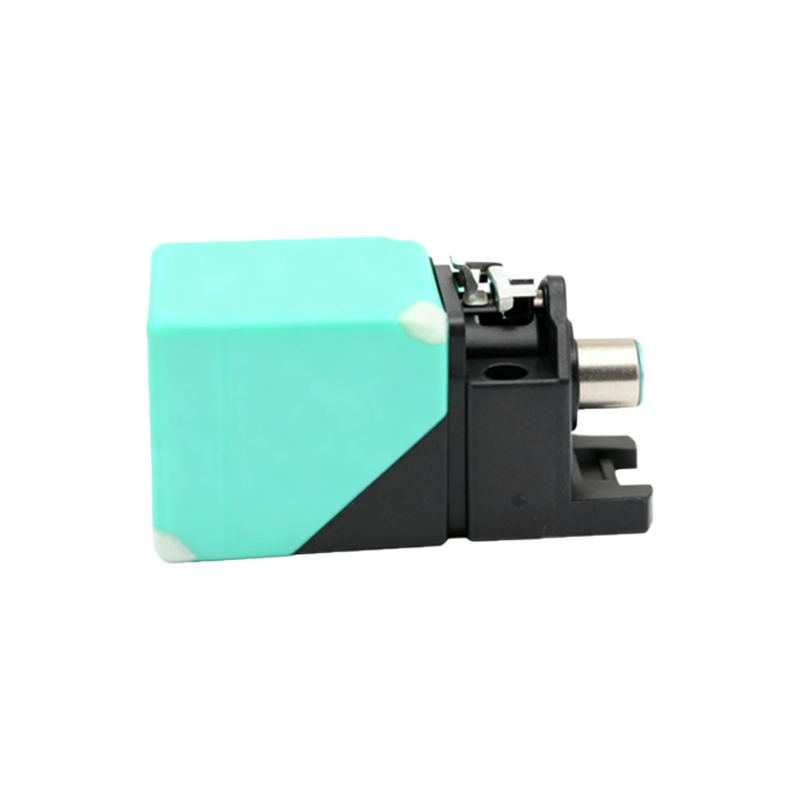
Sharp Microelectronics is also a significant contributor, particularly known for its GP2Y0A series of distance measuring sensors. These are widely adopted in robotics, printer paper detection, and various consumer electronics for their consistent performance. On the other hand, STMicroelectronics leverages its strength in microcontrollers and MEMS technology to produce sophisticated sensor modules that integrate proximity, gesture recognition, and ambient light sensing into single chips, simplifying design for manufacturers.
Beyond these established names, a wave of innovation comes from companies like Silicon Labs and Texas Instruments, which provide not only sensor components but also the supporting analog front-ends and development ecosystems. This holistic approach allows client companies to develop and prototype applications faster. The market also sees strong participation from Asian manufacturers, including Everlight Electronics and Kingbright, which offer cost-effective components that fuel high-volume consumer applications.
The application spectrum for these sensors is vast. In the automotive industry, they are used for occupant detection, gesture-controlled infotainment systems, and preventing collisions during low-speed maneuvers. In consumer electronics, they are ubiquitous in smartphones, tablets, and smart speakers for power saving and user interface control. Industrial automation relies on them for object counting, jam detection in conveyor belts, and robotic navigation. The healthcare sector utilizes them in equipment like infusion pumps and sanitizer dispensers for touchless operation, a feature whose importance surged post-pandemic.
Choosing the right infrared proximity sensor company depends heavily on the specific application requirements. Factors such as required detection distance, environmental conditions (like exposure to dust or varying light), power budget, and cost constraints all play a decisive role. While large semiconductor companies offer integrated, feature-rich solutions with strong technical support, specialized component suppliers might provide the optimal performance for a particular, narrow use case.
Looking ahead, the trajectory for infrared proximity sensor companies points toward greater integration and intelligence. The trend is moving beyond simple presence detection to multi-functional sensors capable of precise distance mapping, gesture interpretation, and even rudimentary object classification. The convergence with other sensing modalities, such as time-of-flight (ToF) and ultrasonic sensors, will create more robust and versatile systems. As the Internet of Things continues to expand and machines require more nuanced environmental awareness, the companies that innovate in making these sensors smaller, smarter, and more energy-efficient will lead the next wave of technological advancement. The industry's future hinges on delivering not just components, but complete sensing solutions that empower smarter and more intuitive interactions between humans and machines.