In the realm of industrial automation, the reliable supply of square proximity sensors is a critical component for maintaining seamless operations. These sensors, distinguished by their compact, rectangular form factor, offer unique advantages in space-constrained environments where traditional cylindrical sensors may not fit. The supply chain for these essential devices encompasses a complex network of manufacturers, distributors, and integrators, each playing a vital role in delivering high-performance solutions to end-users.
The primary function of a square proximity sensor is to detect the presence or absence of an object without physical contact. Utilizing technologies such as inductive, capacitive, or photoelectric sensing, these devices emit a field or beam and react to changes caused by a target object. The square housing is not merely an aesthetic choice; it often allows for easier mounting on flat surfaces and can facilitate the integration of multiple sensing elements or enhanced shielding against electromagnetic interference. This design is particularly prevalent in packaging machinery, material handling systems, and automotive assembly lines, where consistent and reliable detection is non-negotiable.
When sourcing square proximity sensors, several technical specifications demand careful evaluation. Sensing range, typically a few millimeters to several tens of millimeters, must be matched to the application. The housing material, often stainless steel, nickel-plated brass, or engineered plastics like PBT, determines the sensor's resilience to environmental factors such as coolant, dust, and mechanical impact. Output configuration—whether NPN, PNP, analog, or IO-Link—must be compatible with the existing control system, such as a PLC. Furthermore, international protection ratings like IP67 or IP69K indicate the level of sealing against solids and liquids, a crucial factor for harsh washdown environments in food and beverage or pharmaceutical industries.
The global supply landscape features established manufacturers from Europe, North America, and Asia, each with distinct strengths. Some brands are renowned for ultra-high precision and durability, while others compete on cost-effectiveness and rapid delivery. A robust supply partner does not merely stock products but provides comprehensive technical support, including detailed datasheets, CAD models for design integration, and application engineering assistance. The trend towards Industry 4.0 has also increased demand for smart sensors with diagnostic capabilities and network connectivity, influencing supply strategies to include more intelligent devices.
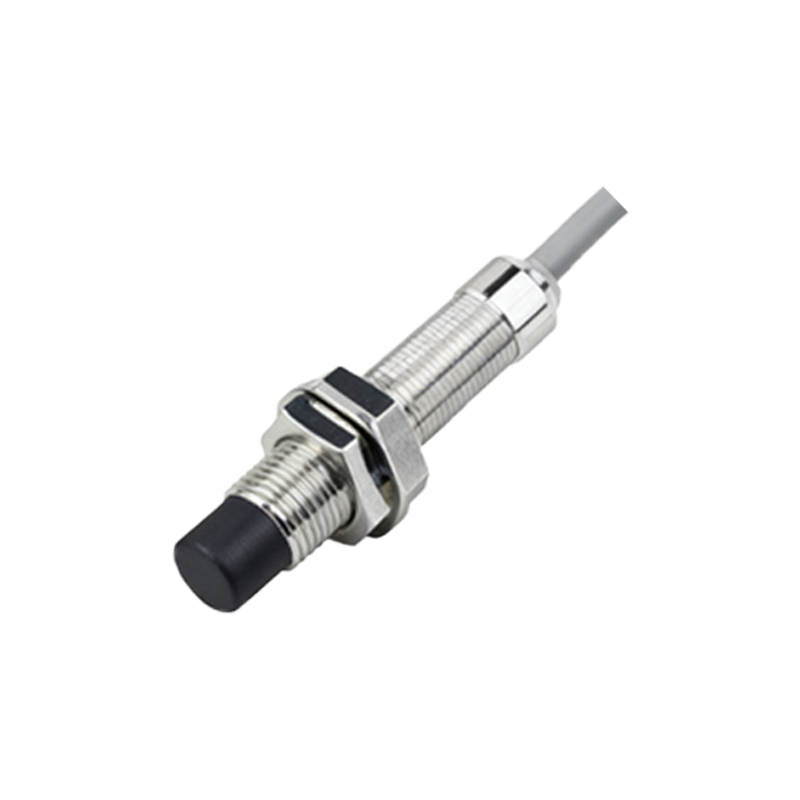
Lead times and inventory management are perennial challenges in sensor supply. Unlike commodity components, specialized proximity sensors may have longer manufacturing cycles. Reliable suppliers mitigate this by maintaining strategic stock of popular models and offering flexible logistics solutions. For large-scale OEMs or plant operators, establishing a vendor-managed inventory (VMI) program can ensure just-in-time availability, reducing downtime risks. It is also prudent to qualify alternative sensor models or suppliers to build resilience against unforeseen supply chain disruptions, which have become more frequent in recent years.
Cost considerations extend beyond the unit price. Total cost of ownership includes factors like installation time, maintenance requirements, and mean time between failures (MTBF). A slightly more expensive sensor with a longer operational lifespan and higher reliability often proves more economical than a cheaper alternative that fails prematurely and causes production stoppages. Suppliers who can demonstrate validated performance data and offer extended warranties add significant value. Additionally, compliance with international standards (e.g., IEC, UL, CE) is not optional; it is a mandatory requirement for safe and legal operation in most markets.
Finally, the relationship with a supplier should be viewed as a strategic partnership. A competent supplier stays abreast of technological advancements, such as the development of sensors with improved noise immunity or wider temperature tolerances, and proactively informs clients of upgrades or new products. They assist in lifecycle management, helping plan for the obsolescence of older models. For engineers and procurement specialists, the goal is to secure a supply of square proximity sensors that delivers unwavering reliability, technical suitability, and long-term support, thereby safeguarding the efficiency and productivity of automated industrial systems.