In the dynamic landscape of industrial automation, the demand for precision, reliability, and seamless integration has never been higher. Among the critical components driving this efficiency are proximity sensors, with DC 2-wire variants standing out for their simplicity and effectiveness. While standard models offer broad functionality, the true potential for optimization lies in customized DC 2-wire proximity sensor solutions. These tailored devices are engineered to meet specific operational challenges, providing a competitive edge in diverse applications from manufacturing assembly lines to harsh environmental monitoring.
Customization begins with a deep understanding of the application's unique parameters. Standard sensors may fall short when faced with extreme temperatures, corrosive atmospheres, or space constraints. A customized DC 2-wire sensor can be designed with specialized housing materials, such as stainless steel or chemically resistant polymers, to withstand aggressive environments. Similarly, the sensing range and frequency response can be precisely calibrated. For instance, in high-speed packaging machinery, a sensor with an ultra-fast response time and a narrow, repeatable detection field minimizes errors and boosts throughput. The inherent simplicity of the 2-wire design—where the same wires carry both power and signal—reduces installation complexity and cost. Customization enhances this advantage by allowing for specific cable lengths, connector types, or even integrated cabling that matches the existing infrastructure, eliminating the need for additional junction boxes or adapters.
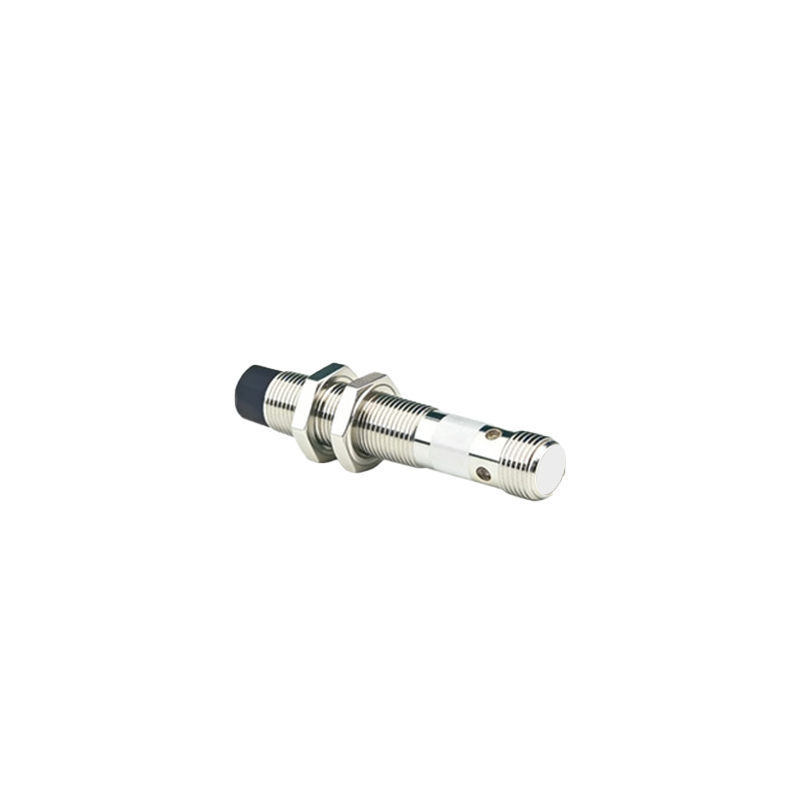
Electrical characteristics are another focal point for customization. Operating voltage ranges can be adjusted to align with a facility's power supply standards, whether 10-30V DC or other specific intervals. Output configurations, though typically switching outputs in 2-wire designs, can be fine-tuned for load current capacity, leakage current thresholds, and protection against short-circuits or reverse polarity. In sensitive electronic environments, custom shielding and filtering minimize electromagnetic interference, ensuring stable performance alongside variable frequency drives or heavy motors. Furthermore, the sensing technology itself—inductive, capacitive, or magnetic—can be selected and optimized based on the target material. A customized inductive sensor might be tuned to detect a specific non-ferrous metal alloy at an exact distance, a task off-the-shelf sensors often struggle with.
The benefits extend beyond technical specifications. Customized sensors contribute to predictive maintenance strategies. By incorporating output indicators, diagnostic feedback, or extended longevity components, they provide early warnings of potential failures, reducing unplanned downtime. For original equipment manufacturers (OEMs), a sensor tailored to their machine's design ensures a perfect fit, both physically and functionally, enhancing the overall value and reliability of their product. The development process for such sensors involves close collaboration between the client's engineering team and the sensor manufacturer. This partnership ensures that every aspect, from the initial prototype to final production validation, meets the exact use-case requirements.
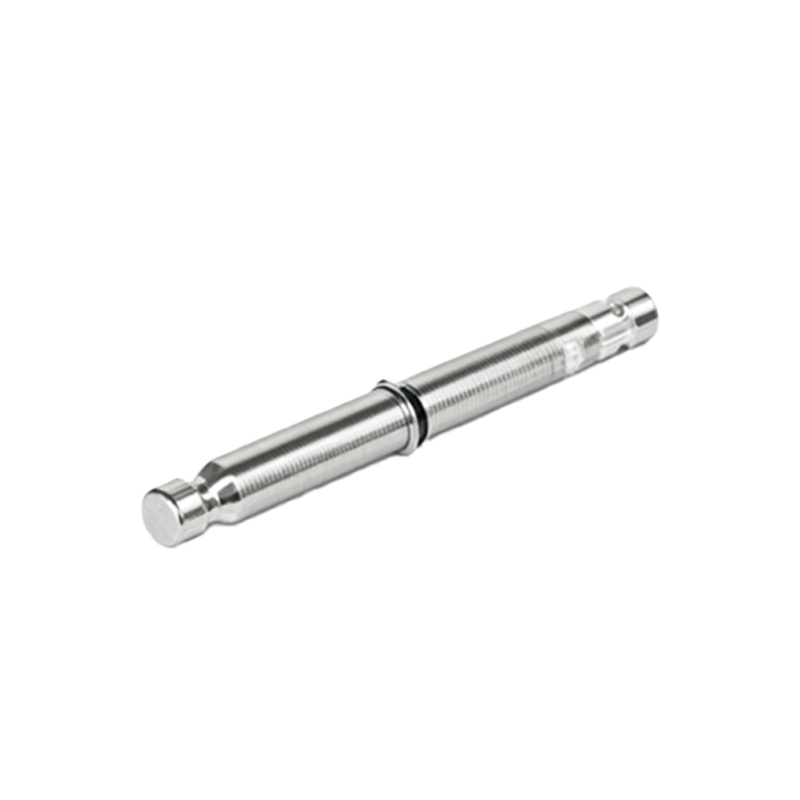
Ultimately, investing in customized DC 2-wire proximity sensors is an investment in system integrity and long-term operational efficiency. It transforms a generic component into a strategic asset, solving unique problems that standard products cannot address. As industries continue to embrace Industry 4.0 and smart manufacturing, the ability to deploy precisely tailored sensing solutions will be a key differentiator, enabling smarter, more resilient, and more productive automated systems.