In the rapidly evolving landscape of industrial automation and smart technology, proximity sensors have emerged as critical components, moving far beyond simple detection tasks. The latest generation of these devices, incorporating advanced materials, sophisticated algorithms, and novel operating principles, is enabling breakthroughs across diverse sectors. This article explores several compelling case studies that demonstrate the transformative power of modern proximity sensing solutions.
Within the automotive manufacturing sector, a leading electric vehicle producer has implemented a novel capacitive proximity sensing system on its final assembly line. Traditional mechanical limit switches and photoelectric sensors struggled with the non-metallic composite materials used in the vehicle's lightweight frame. The new system utilizes ultra-sensitive, multi-channel capacitive sensors that can detect the presence of carbon fiber panels and composite battery housings without physical contact. These sensors provide precise positional feedback for robotic arms installing interior components, such as dashboards and seats, ensuring perfect alignment every time. The result has been a 40% reduction in assembly errors related to part positioning and a significant decrease in cycle time, as robots no longer need to pause for mechanical confirmation.
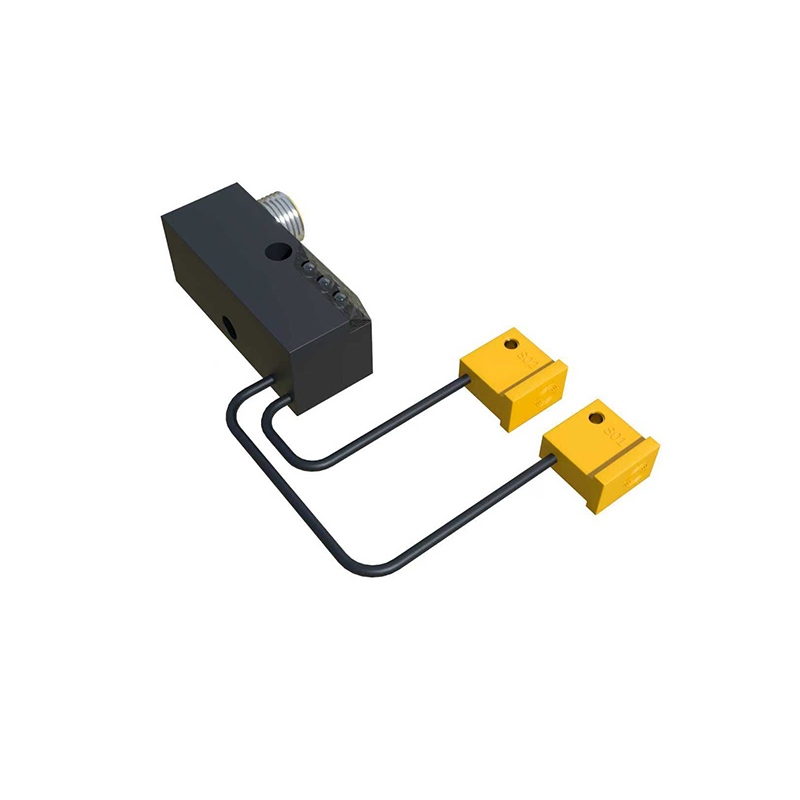
The food and beverage industry presents a unique challenge: maintaining stringent hygiene standards while ensuring operational efficiency. A multinational dairy company addressed this by deploying hermetically sealed, washdown-resistant inductive proximity sensors with IO-Link communication in its pasteurization and packaging facilities. These sensors, constructed with high-grade stainless steel and FDA-approved polymer housings, monitor valve positions, detect fill levels in sterile tanks, and verify the presence of packaging materials on high-speed conveyor lines. The integrated IO-Link capability allows for continuous condition monitoring, predictive maintenance alerts, and remote parameter adjustment without opening control panels, drastically reducing downtime during mandatory cleaning cycles and enhancing overall equipment effectiveness (OEE).
Perhaps one of the most innovative applications is found in modern agriculture. A pioneer in vertical farming has integrated a network of laser-based time-of-flight (ToF) proximity sensors throughout its multi-tiered growing systems. These sensors perform a dual function. Primarily, they maintain an exact and consistent distance between high-efficiency LED grow lights and the plant canopy, automatically adjusting the lights as crops grow to optimize photosynthesis and energy use. Secondarily, they map the 3D profile of the plant beds, providing data on biomass growth and health. This granular data feeds into AI models that fine-tune nutrient delivery and climate control, boosting yield per square foot by an estimated 25% compared to static systems.
In the realm of consumer electronics, the demand for seamless and intuitive user interfaces has driven sensor innovation. A flagship smartphone now incorporates a miniaturized, multi-spectrum proximity sensor module behind its edge-to-edge OLED display. This module combines an infrared emitter, a dedicated light spectrum sensor, and an advanced digital ambient light sensor. It performs critical functions such as disabling the touchscreen when the phone is held to the ear to prevent accidental inputs, and dynamically adjusting screen brightness with unprecedented accuracy based on the user's environment and viewing angle. This integration enhances user experience while contributing to significant battery life extension through intelligent display management.
Furthermore, the logistics and warehousing sector is being revolutionized by the integration of ultrasonic proximity sensor arrays on autonomous mobile robots (AMRs). These sensors operate effectively in environments filled with dust, smoke, or variable lighting conditions—challenges that often confuse optical systems. The AMRs use these robust sensors for precise navigation in narrow aisles, safe obstacle detection from all directions, and accurate pallet pickup alignment. This has enabled fully automated, 24/7 material handling in distribution centers, improving inventory turnover and reducing reliance on fixed infrastructure like guide wires or magnetic tapes.
These cases underscore a clear trend: the new generation of proximity sensors are no longer mere switches. They are intelligent, networked data points. By leveraging technologies like capacitive, inductive, laser ToF, and ultrasonic sensing, and coupling them with industrial communication protocols, they provide rich, contextual data. This data is the foundation for enhanced precision, unprecedented flexibility, improved safety, and deeper operational intelligence. As materials science and signal processing continue to advance, the potential applications for these sophisticated sensors will only expand, further embedding intelligent sensing into the fabric of industrial and consumer applications.