In industrial automation and electronic control systems, the term "proximity switch" is frequently encountered, often leading to confusion about its relationship with sensors. Many people wonder whether a proximity switch is simply another name for a sensor or if it represents a broader category. To clarify this, it is essential to delve into the definitions, functions, and classifications of both proximity switches and sensors.
A sensor is a device that detects changes in physical or environmental conditions, such as temperature, pressure, light, or motion, and converts these changes into electrical signals. Sensors serve as the "senses" of automated systems, providing critical data for monitoring, control, and decision-making processes. They encompass a wide range of technologies, including photoelectric sensors, ultrasonic sensors, capacitive sensors, and inductive sensors, among others. Each type is designed for specific applications, from measuring distance to detecting object presence or analyzing material properties.
On the other hand, a proximity switch is a specific type of sensor that detects the presence or absence of an object within a defined range without physical contact. It operates based on principles like electromagnetic induction, capacitance, or infrared radiation. For instance, an inductive proximity switch uses a magnetic field to sense metallic objects, while a capacitive proximity switch can detect both metallic and non-metallic materials by measuring changes in capacitance. Proximity switches are commonly used in manufacturing, robotics, and safety systems to trigger actions, such as stopping a conveyor belt when an object is detected or activating a machine when a part is in position.
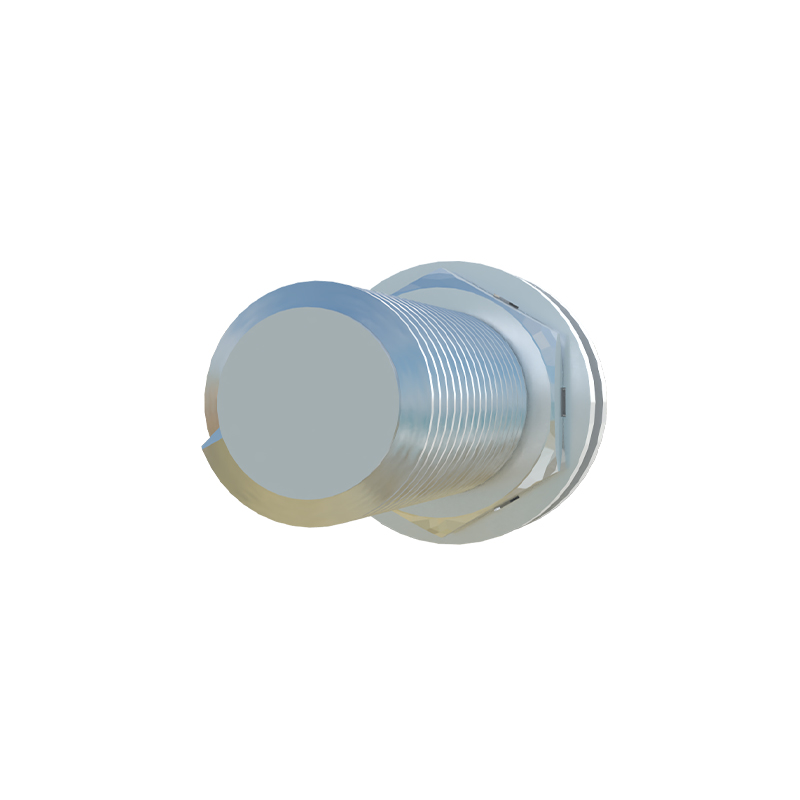
While all proximity switches are sensors, not all sensors are proximity switches. The key distinction lies in their functionality and application. Proximity switches are primarily designed for object detection within a limited range, emphasizing non-contact operation and quick response times. In contrast, sensors have a broader scope, including measurement, monitoring, and data acquisition across various parameters. For example, a temperature sensor measures heat levels, and a pressure sensor gauges force per unit area—neither of which falls under the category of proximity switches.
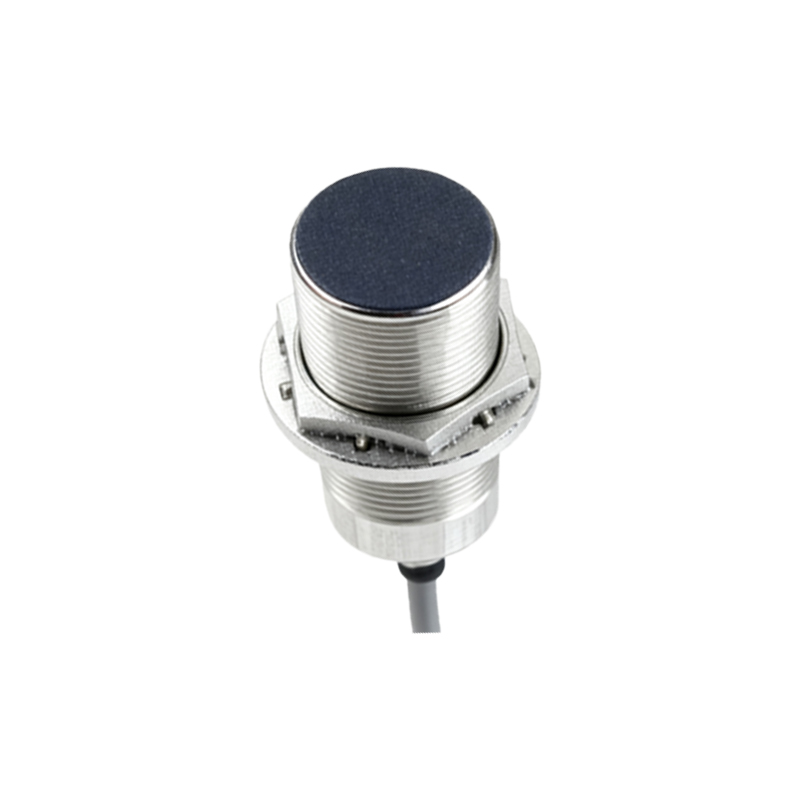
In technical terminology, "proximity switch" is often used interchangeably with "proximity sensor," especially in industrial contexts. However, "sensor" is a more general term that encompasses proximity switches along with many other devices. This overlap in language can cause misunderstandings, particularly for those new to the field. To avoid confusion, it is helpful to refer to proximity switches as a subset of sensors, specifically those focused on non-contact detection of nearby objects.
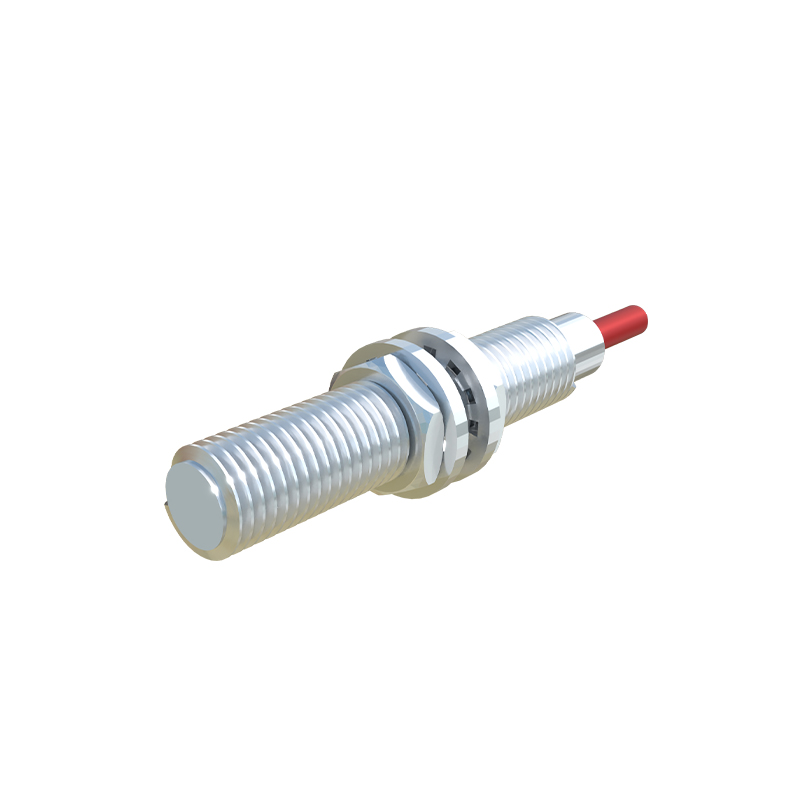
The evolution of technology has further blurred these lines, with modern proximity switches integrating advanced features like digital output, programmability, and connectivity to IoT networks. Despite these advancements, their core purpose remains tied to detection rather than comprehensive measurement. When selecting equipment for a project, understanding this distinction ensures the right device is chosen for the task—whether it requires precise detection (using a proximity switch) or detailed environmental monitoring (using other sensor types).
In summary, a proximity switch is not a general term for sensors but rather a specialized type within the sensor family. Recognizing this relationship enhances clarity in technical discussions and promotes efficient system design. As automation continues to advance, both sensors and proximity switches will play vital roles, each contributing uniquely to smarter and more responsive industrial environments.